The numbers are climbing. The virus is moving.
Eastern Congo is facing a severe public health crisis. The current Ebola outbreak has officially expanded into two new health zones, pushing the total number of affected areas to 60. This is the fastest-spreading Ebola epidemic in history, and health authorities are struggling to catch up.
If you are wondering how a localized virus explodes across dozens of regions in a matter of months, the answer lies in a volatile mix of regional insecurity, population displacement, and severe logistical hurdles. The outbreak was officially declared in mid-May, but epidemiologists believe it has been circulating quietly since February. That hidden window gave the virus a massive head start.
Where the Outbreak Stands Right Now
The newest zones hit are Biena and Manguredjipa, located in Congo's North Kivu province. North Kivu is a nightmare scenario for epidemic control. The fatality rate here sits close to 69 percent, which is significantly higher than the overall outbreak average of 48 percent.
Total figures from the Ministry of Health paint a grim picture:
- 5,794 confirmed cases
- 2,786 recorded deaths
- 60 total health zones affected
Most of these infections are not happening in sterile hospital environments or among tracked contacts. They are spreading directly within communities. When people fall sick at home and local health workers face strikes or threats of violence, containment becomes nearly impossible.
Doctors Without Borders recently opened a new treatment center in Beni to speed up patient care and contact tracing, but relief workers admit they are fighting a wildfire with a garden hose.
The Vaccine Challenge
Medical response efforts face a massive hurdle: this outbreak is driven by the rare Bundibugyo virus strain.
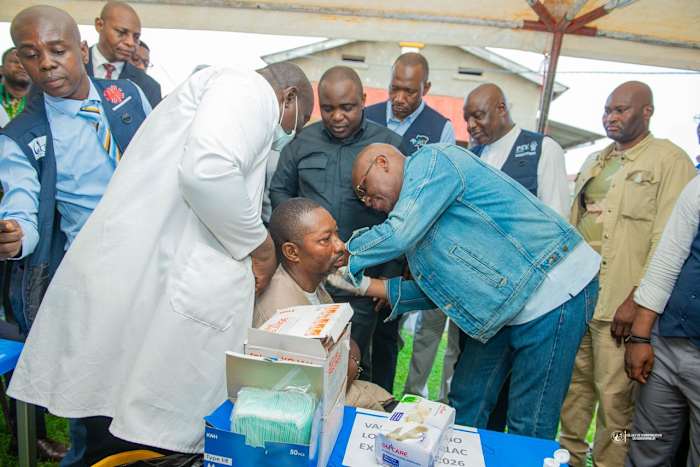
In past epidemics—like the devastating 2014-2016 West African crisis—the Zaire strain was the primary culprit. Vaccines like Ervebo worked wonders against Zaire. Right now, Congo's health minister Roger Kamba has begun administering Ervebo to front-line health workers, but its effectiveness against the Bundibugyo strain remains unproven. Clinical trials are running concurrently with the outbreak to find a licensed defense, leaving medical staff to rely heavily on traditional isolation and supportive care.
Cross-Border Spillovers and Global Risk
Viruses do not respect national boundaries. While neighboring Uganda successfully declared itself free of Ebola recently, the World Health Organization warns that the risk of regional spillover is high.
WHO experts point to the Central African Republic as the nation at highest immediate risk, followed closely by South Sudan. As eastern Congo's epidemic pushes closer to international borders, neighboring health ministries are scrambling to screen travelers and install sanitary checkpoints.
Stopping this trajectory requires more than medical supplies. Local communities must trust the teams arriving in their villages. Until public health authorities bridge that trust gap and stabilize the security situation on the ground, this outbreak will continue to outpace modern medicine.