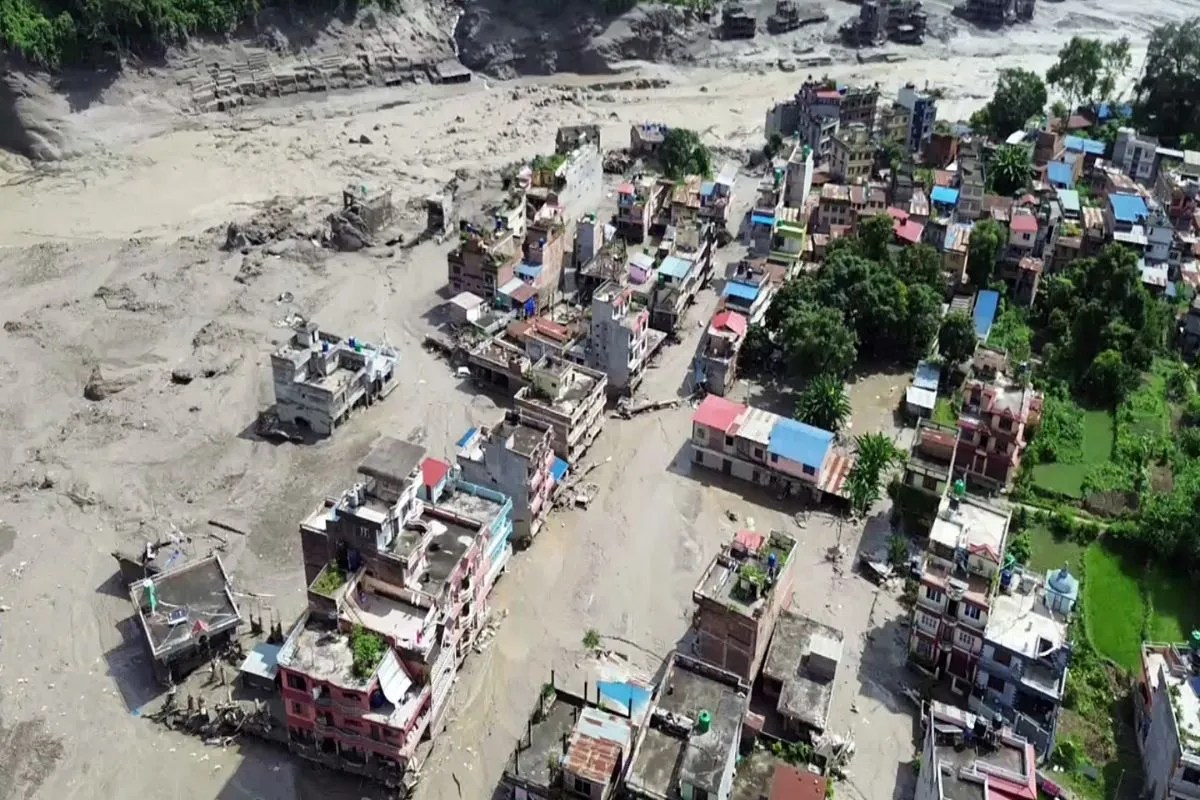
Mother Nature doesn't care about bureaucratic warnings, and right now, the situation along the Bhotekoshi river is terrifyingly real. If you've been following the disaster unfolding in Nepal, you know the initial shockwaves of the flash floods were brutal. But the nightmare isn't over. Authorities just flashed a massive red alert because a newly formed barrier lake near the riverbanks is threatening to burst at any second.
Let's cut through the noise. What started as a catastrophic glacial collapse triggering earthquake-like tremors has morphed into a slow-motion ticking time bomb. Satellite imagery confirms that a massive pool of water has formed right where the initial disaster struck, and its water level is climbing fast. If that natural barrier gives way within the next seventy-two hours, downstream communities in Nepal, along with border regions in India like Bihar and Uttar Pradesh, are in serious trouble.
Why This Threat Is Different
Most people think floods are just heavy rains overflowing a riverbed. This is entirely different. We are looking at a barrier lake formation on the Tibet-Nepal border. When massive quantities of debris, ice, and earth block a river channel, it creates an unstable natural dam. Water fills up behind it rapidly. When it breaks, it doesn't just overflow—it releases a wall of water, mud, and debris with zero warning.
Rescue operations have already been pushed to their absolute limits. Officials report that hundreds of lives have been lost, with massive numbers still missing, including dozens of foreign nationals and citizens stranded near the Chinese border sectors. Governments are scrambling. India has shipped over ten tons of humanitarian aid, including critical medical supplies, via Disaster Relief channels, while the National Disaster Response Force stays on high alert across vulnerable northern state borders.
What You Need to Know If You're Tracking the Crisis
You can't rely on generic news updates when things move this fast. Here is what is actually happening on the ground:
- The 72-Hour Window: Experts warn that the barrier lake could breach within days as pressure mounts from rising water inflows.
- Cross-Border Impact: The Trishuli and Bhotekoshi river systems feed directly into regional river basins across India, keeping local administrations in Bihar and UP on edge.
- Rescue Bottlenecks: Heavy debris and blocked mountain infrastructure are making aerial and ground extraction brutally difficult for emergency crews.
How to Stay Prepared and Safe
If you have family in the region or you're monitoring travel and border logistics, stop waiting for official television broadcasts to catch up. Check local district emergency operations centers for real-time updates. If you're anywhere near the Gorkha, Sindhupalchowk, or downstream river basins, get to higher ground immediately. Don't wait for a second knock on the door. Pack essentials, secure vital documents, and listen strictly to local disaster management teams.
The lake is filling up. Time is running out. Pay attention to the warnings now.