Communication is easy. Until you lose it. Imagine wanting to tell your partner you love them, but your body refuses to cooperate. No sound comes out. No whisper forms.
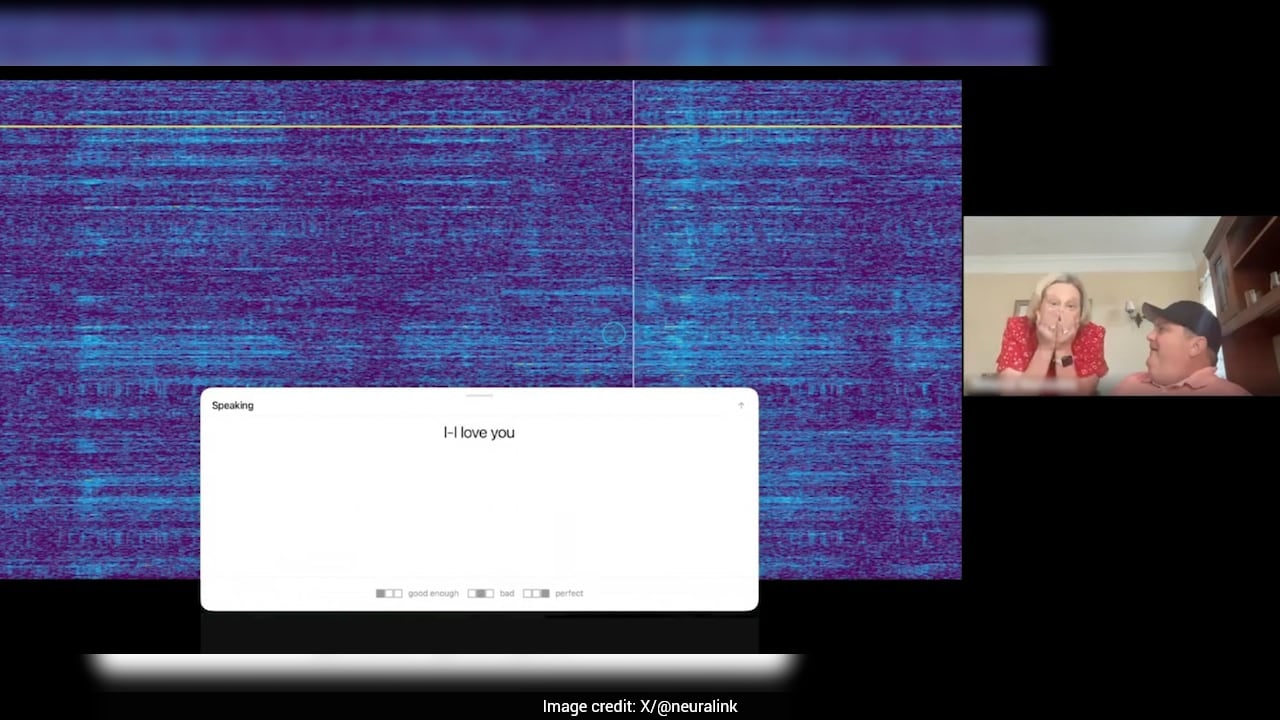
That silence shattered recently when a speech-impaired clinical trial participant used a brain-computer interface to speak those exact words out loud. A viral video captured his partner's overwhelmed reaction as synthetic audio translated his raw thoughts into sound. Elon Musk and Neuralink shared the footage, sparking a massive online wave of emotion. Recently making news recently: Why Anthropic Admitting Claude Writes Its Own Code Changes Everything.
People love a good tech miracle story. But hype hides reality. Let’s look at what is actually happening behind the headlines.
How Brain Implants Translate Thought Into Speech
Brain-computer interfaces sound like science fiction. They are real electronics sitting inside human skulls right now. Further insights regarding the matter are explored by TechCrunch.
The mechanism relies on electrical signals. Every time you think about moving a muscle or speaking a word, neurons fire tiny electrical charges. A chip studded with microscopic electrode threads gets implanted directly into the motor cortex of the brain. These threads detect the electrical chatter of individual neurons.
Algorithms then decode that raw data. Instead of moving an arm or a cursor on a laptop screen, newer software translates those specific neural patterns into text and synthesized speech.
It works like predictive text on your phone, except the keyboard is wired straight to your grey matter.
The Reality Behind the Viral Video
Let us be honest about where this technology stands today. Viral clips make neural implants look like consumer electronics you can buy off a shelf. They are not.
Getting a brain chip requires invasive neurosurgery. Surgeons cut open the skull and insert microscopic threads into living brain tissue. The number of people worldwide walking around with these specific implants is tiny, numbering only in the hundreds across various research groups globally.
Neuralink itself has reported enrolling a couple of dozen participants in its clinical trials. Early demonstrations allowed patients to play chess, browse the web, or move a computer mouse with their minds. Moving from moving a cursor to generating fluid human speech is a massive technological leap.
Yet, the audio you hear in the viral video is generated by AI. The chip reads the neural intention, and software gives it a voice. It is a translation process, not a magical restoration of natural vocal cords.
What Most People Get Wrong About Neuralink
Media reports treat every update from implant companies as an impending commercial release. That creates dangerous misunderstandings for patients suffering from ALS, severe paralysis, or stroke.
If you or a loved one are looking for a quick fix, this is not it. Clinical trials have strict inclusion criteria. Regulatory bodies scrutinize every single trial participant to monitor for adverse events, infections, or device degradation over time.
Safety records matter more than viral views. Companies must prove their hardware stays stable inside a warm, moving human brain for years without causing chronic inflammation or scarring.
Data privacy represents another massive elephant in the room. When your literal thoughts are being intercepted, processed, and translated by proprietary software running on external servers, who owns that data? Who has access to your inner monologue?
Those questions do not have complete answers yet.
Where This Technology Goes Next
We are watching the very first clumsy steps of a massive neurological shift. Think of these early trials like the bulky mobile phones of the 1980s. They are expensive, experimental, and limited. But they work.
The real value of these systems goes far beyond viral social media moments. Giving a paralyzed or speech-impaired person an independent voice means restoring autonomy. It means ordering groceries, calling emergency services, or telling a loved one how you feel without relying on a caregiver to interpret eye blinks or letter boards.
If you are tracking this space, ignore the marketing hype from tech executives. Watch the peer-reviewed clinical trial data instead. Look at long-term device stability and software iteration speeds.
The future of communication is heading straight into our minds. We need to make sure we build it carefully.