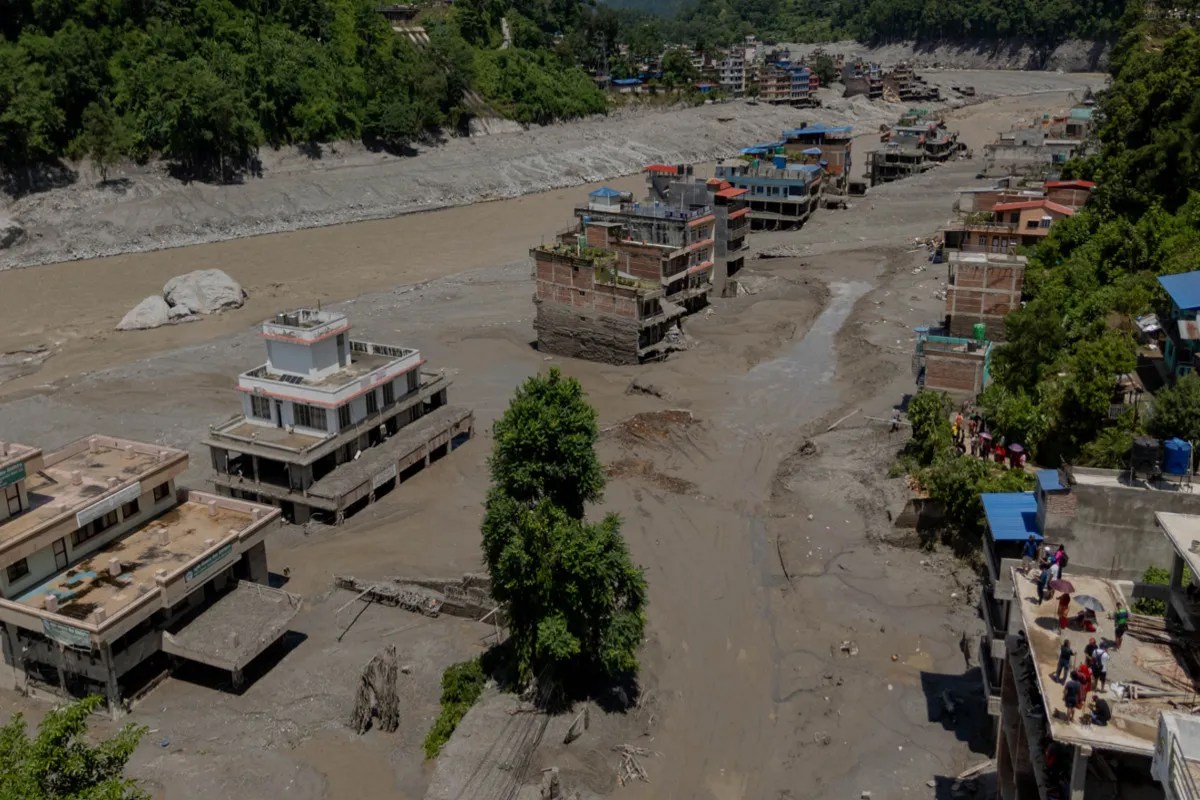
You're looking at a tragedy that everyone saw coming, yet nobody stopped. When flash floods tore through Nepal, the immediate reaction was shock and scrambling for rescue operations. But if you dig past the surface headlines, a grim truth emerges: scientists knew this was coming months ago.
Reports from organizations like ICIMOD laid out explicit warnings about melting glaciers and fragile high-altitude lakes in the Hindu Kush Himalaya region. They spelled out how rising temperatures were turning glacial reservoirs into ticking time bombs. Yet, those warnings sat in digital archives while communities downstream went about their daily lives.
The Science Everyone Chose to Ignore
Let's look at the actual data instead of generic panic. Research published earlier in the year showed that glacier melt rates in the upper Himalayas doubled right after the year 2000. Since 1975, the thickness of the ice has dropped by roughly 27 meters.
Think about what those numbers mean in the real world. When glaciers recede that fast, they leave behind massive, unstable lakes held back only by loose piles of rock and debris known as moraines. When an avalanche or heavy pressure hits one of these natural dams, it bursts. That is basically what triggered the massive wall of water and debris that crashed through Nepal and parts of Tibet, wiping out infrastructure and leaving hundreds dead or missing.
Experts at institutions based in Kathmandu warned that three-quarters of the region's glaciers sit in heavily vulnerable zones. They pointed out that monitoring systems are weak. Out of dozens of crucial glaciers studied, only a handful met long-term international tracking standards. Areas like the Karakoram and Sikkim have virtually zero real-time oversight.
Why Warnings Fail on the Ground
Governments love commissioning reports, but they hate funding the boring, unglamorous work required to act on them. When you read a scientific paper stating that two billion people living downstream face growing risks, it sounds like an abstract future problem.
It isn't. It's a right-now problem.
Nepal's geography makes it a frontline victim of climate shifts that it had almost no hand in creating. But knowing you're vulnerable and actually building resilient infrastructure are two entirely different things. Early warning systems require heavy investment, cross-border data sharing with countries like China and India, and strict land-use zoning.
When a flash flood hits with zero warning time, evacuation drills don't matter. People living near riverbeds didn't stand a chance because the river systems lacked automated sensors that could beam alerts to mobile phones minutes before the surge arrived.
What Comes Next for Vulnerable Mountain Communities
Disaster response right now looks like sending relief planes, distributing aid packages, and DNA testing for unidentified victims washed away by the torrent. It's heartbreaking, and it's reactive.
If we keep treating these events as sudden, unpredictable acts of God, we're lying to ourselves. The physical triggers—rock-ice avalanches, sudden lake outbursts, monsoon overlaps—are well-documented physical processes.
Protecting mountain regions means treating high-altitude data with the same urgency as border security. Governments across South Asia need to pool their monitoring data, install low-cost automated sensors on high-risk glacial lakes, and relocate vulnerable settlements away from active floodplains before the next melt cycle creates another disaster.