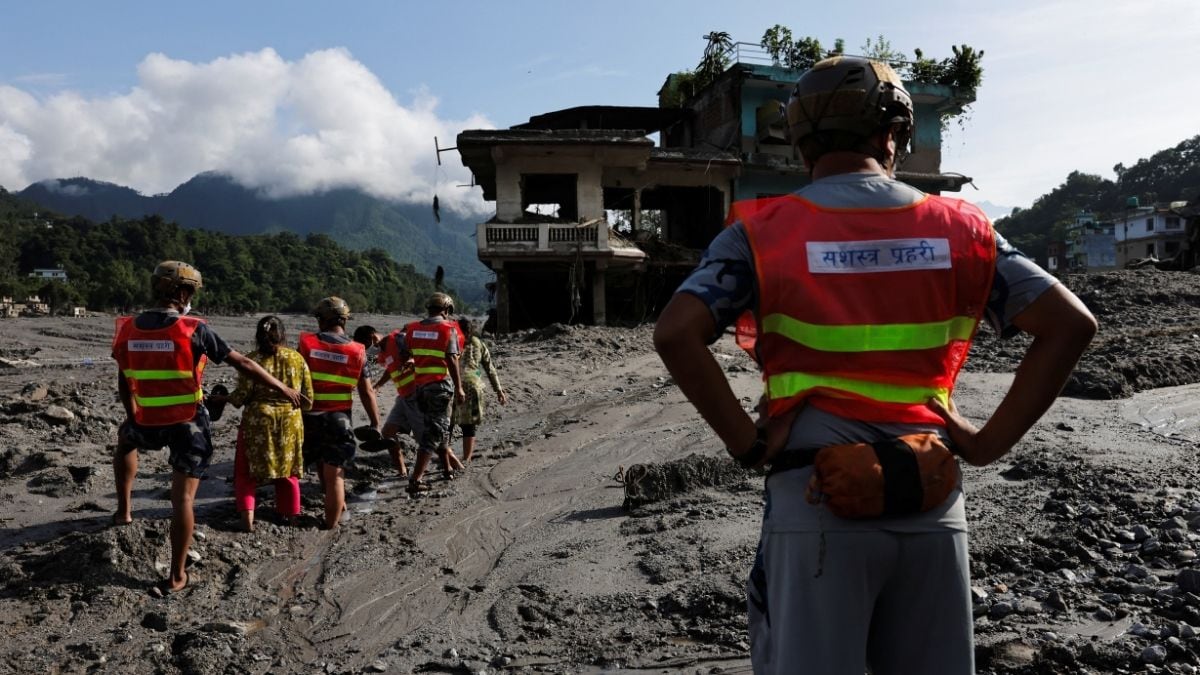
Disaster diplomacy is tricky. When flash floods smash through the Nepal-China border, destroying mountain routes and stranding over fifteen hundred pilgrims returning from the Kailash Mansarovar yatra, immediate neighborly help sounds like common sense. India offered its National Disaster Response Force. Kathmandu said no thanks.
Why would a country facing severe infrastructure damage and missing citizens reject specialized foreign rescue aid? Sovereignty, optics, and local capability calculations drive this decision. Let's look past the political headlines and understand the real mechanics behind Nepal's refusal.
Sovereignty Outweighs Speed
Sovereignty rules statecraft in South Asia. When foreign military or specialized disaster personnel cross an international border, even for humanitarian relief, domestic political sensitivities flare up instantly. Nepal’s Ministry of Foreign Affairs made it clear that local security agencies have the situation handled.
Allowing foreign boots on the ground, particularly from a giant neighbor like India, carries massive domestic political baggage. Opposition parties and nationalist factions watch every cross-border move like hawks. Kathmandu cannot afford the narrative that it surrendered disaster management control to an external power.
Officials confirmed that similar offers from China and other nations were turned down flatly. This wasn't targeted snubbing of New Delhi. It was a blanket policy to protect national jurisdiction during a crisis.
The Reality On The Ground For Stranded Pilgrims
Over eleven hundred Indian nationals and hundreds of other foreign tourists got trapped in Tibet because the Kerung route collapsed. Flash floods and mudslides ripped through the region, leaving transport links completely severed.
When your primary access route looks like a vertical mud pit, sending specialized infantry or disaster squads doesn't magically fix the physics of washed-out roads. The bottleneck isn't a lack of rescue personnel on the Nepalese side. The bottleneck is physical infrastructure. Bridges are gone. Hillsides are unstable. Until heavy engineering equipment clears paths or aerial options open up safely, extra manpower just adds logistical weight to an already strained local food and shelter supply chain.
Nepal established an Emergency Response Team to centralize information and coordinate consular assistance. They created a single-door mechanism so families can track missing persons without running through endless bureaucratic loops. They believe coordination works better through internal administrative channels rather than foreign operational integration.
Trusting Local Security Forces
People often underestimate the capacity of regional armed forces. The Nepal Army and local police units train extensively for high-altitude terrain, flash floods, and landslide rescue operations. They know every inch of the rugged topography.
External disaster teams face steep learning curves when deployed in unfamiliar Himalayan terrain. Altitude sickness, local language barriers, and lack of familiarity with localized transit networks can slow down foreign responders more than you think. Kathmandu trusts its own forces to navigate these treacherous zones effectively.
What Happens Next For Affected Travelers
If you have family members stranded in the region, waiting out the transport repairs is basically the only immediate option. Tour operators and local associations like the Association of Kailash Tour Operators Nepal are working alongside government channels to monitor those stuck in Tibet.
Monitor official updates directly through the Nepalese Foreign Ministry's Emergency Response Team rather than relying on fragmented social media reports. Keep emergency contact lines open through your national embassy or consulate liaison. Prepare for extended delays while civil engineers stabilize damaged border routes.