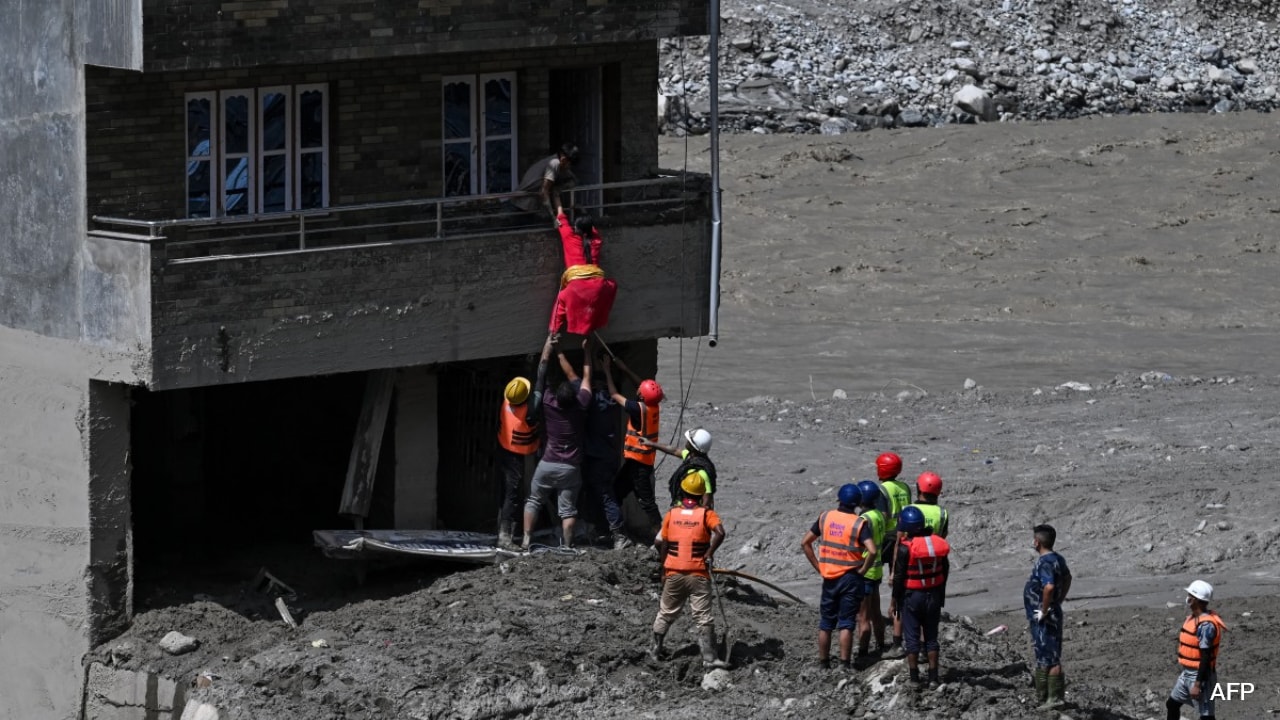
Disaster strikes. The water rises. Entire towns vanish. Then comes the tricky part: deciding who gets to help clean up the wreckage.
When flash floods tore through districts like Rasuwa near the Chinese border, killing nearly 500 people and leveling hydropower plants, global superpowers rushed to offer aid. India, China, the United States, Britain, Japan, South Korea, Sri Lanka, and Bangladesh all raised their hands. They wanted to send specialized search-and-rescue teams straight into the affected zones.
Kathmandu said no thanks.
Foreign ministries blinked in surprise. South Korea, facing missing citizens who had been working at local plants, had already mobilized response teams and pledged a million dollars in humanitarian aid through international organizations. Other nations stood ready with heavy equipment and trained personnel. Yet Nepal’s foreign ministry stood firm, insisting that local security agencies had everything under control.
Why would a nation reeling from catastrophic loss turn down boots on the ground?
The Sovereignty and Pride Factor
Governments hate looking helpless. When an external crisis hits, political survival often depends on projecting absolute competence. Accepting foreign military or specialized rescue units can signal to domestic voters that state institutions are entirely broken.
Nepal’s officials insisted that internal security forces were managing the massive search operations just fine. Lok Bahadur Chhetri, spokesperson for the foreign ministry, made it clear that while offers of help were natural, external rescue squads simply weren't required.
Pride matters. But geopolitics matters more.
The Border Geography Problem
Geography dictates strategy in the Himalayas. The worst-hit areas, particularly Rasuwa, sit right along the border with China's Tibet region.
This border zone is heavily guarded, fiercely contested in diplomatic circles, and structurally sensitive. Former Nepali diplomats, including former UN ambassador Dinesh Bhattarai, pointed out the obvious elephant in the room. Allowing foreign rescue personnel—especially from Western nations or regional rivals—into a sensitive, high-altitude border territory creates complex security headaches.
Officials downplayed this angle, stating flatly that strategic sensitivity had nothing to do with the refusal. They blamed the decision entirely on logistical confidence and local capacity. Still, foreign policy analysts know that foreign boots in a buffer zone near the Chinese frontier always trigger quiet diplomatic alarms in Beijing and New Delhi alike.
What Actually Works on the Ground
International rescue offers sound noble on television. In practice, they often cause logistical chaos.
Think about it. Foreign teams land with tons of specialized gear, strange communication systems, and language barriers. They need transport, fuel, and security in a country whose infrastructure has just been washed down the river. Instead of saving lives, local governments often have to spend precious resources babysitting international crews.
Nepal’s armed police forces and local volunteers know the terrain. They know which mountain passes are unstable and which riverbeds are shifting. Bringing in foreign squads who have never faced Himalayan flash floods can slow down the clock when every single second counts.
The Financial Reality of Recovery
While rescue teams were turned away, financial aid was a different story. Seoul pledged cash through international agencies. Other nations are shifting focus toward long-term reconstruction funds rather than immediate extraction.
Disaster relief is rarely just about humanitarianism. It is a chessboard of influence, optics, and territorial caution. Nepal looked at the board, looked at the rising death toll, and decided to play the hand alone.
If you are tracking international aid patterns, look past the initial press releases. When governments reject help during a crisis, they are usually protecting their borders, their pride, or both. Check local updates directly from regional authorities rather than waiting for international wire services to spin the narrative.


