Massive flash floods didn't just wash away homes in Nepal's northern Rasuwa, Nuwakot, and Dhading districts; they stripped away the basic fabric of childhood for thousands of kids in a matter of minutes. When walls of muddy water and debris tore down mountain valleys on August 26, 2026, entire communities vanished. Now, relief operations are scrambling to reach survivors, but the numbers coming out of the region are staggering.
UNICEF has sounded a blaring alarm. At least 17,000 children are facing an urgent humanitarian crisis, stripped of safe shelter, clean drinking water, and food. If you're wondering how a crisis of this scale unfolds so quickly and what is actually being done on the ground, let's look past the surface headlines.
The Reality on the Ground in Nuwakot and Rasuwa
The scale of the disaster is difficult to process. Entire villages along riverbanks were flattened, leaving thick layers of gray sediment, wreckage from damaged golden temples, and destroyed infrastructure where communities used to thrive. Roads and bridges are gone, which means rescue teams have to rely heavily on helicopters and military personnel navigating dangerous mud to reach isolated families.
According to reports from Nepal's National Disaster Risk Reduction and Management Authority alongside organizations like the International Red Cross, tens of thousands of people have been displaced. Families are sheltering in military training centers like the Maithali Barrack in Nuwakot or squeezing into improvised spaces inside surviving school buildings.
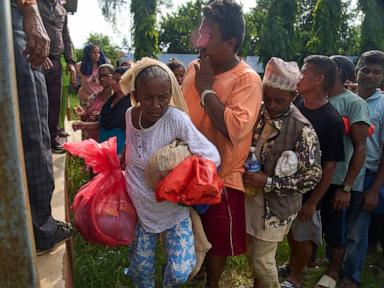
Children like 13-year-old Sonika from the village of Bhaise—whose family escaped into the jungle just as the torrent hit—are dealing with intense shock. Many kids are waking up crying at night, terrified that the water will return. Parents are sitting in makeshift relief camps with nothing left except the clothes on their backs, wondering how to feed their children.
Why Children Are Bearing the Worst of the Disaster
Natural disasters are brutal on everyone, but kids face unique, immediate dangers that go beyond missing a meal.
- Disease Outbreaks: Water systems and sanitation networks were completely wiped out. Thousands of children now lack access to safe drinking water, raising the immediate threat of waterborne illnesses.
- Lost Education: UNICEF reports that 18 schools were completely destroyed and another 20 sustained heavy damage. This cuts off roughly 10,000 school-age children from safe learning spaces. Many other schools near riverbanks remain at high risk.
- Family Separation: In the panic of the sudden floodwaters, kids were separated from parents or caregivers. Humanitarian workers are working around the clock to register and reunite missing children.
- Psychological Trauma: Witnessing your home vanish in minutes leaves deep invisible scars. Psychosocial support teams are desperately needed to help kids process what they've seen.
How Humanitarian Aid Is Responding
Getting help to the right places isn't easy when the geography itself is fighting you. Mountain terrain and destroyed roadways make standard supply trucks useless in many areas.
Despite these obstacles, response teams are moving fast. UNICEF has mobilized pre-positioned supplies from Tribhuvan International Airport in Kathmandu. Hygiene kits, medical tents, newborn kits, and therapeutic food for children suffering from acute malnutrition are being flown in or trucked to the hardest-hit zones.
The government has mobilized nearly 15,000 security personnel for search, rescue, and drone surveillance in cut-off valleys. Furthermore, agencies are distributing emergency cash assistance to help families avoid falling into dangerous coping strategies while they try to rebuild their lives.
However, funding is tight. UNICEF has launched an appeal for $17.2 million to sustain emergency operations, early recovery, and health protection services over the coming months. Without these resources, the safety net protecting these vulnerable families will break entirely.
If you want to support relief efforts or understand how international aid operates during flash flood emergencies, look directly to verified organizations like UNICEF or local medical response teams on the ground in Nepal who are keeping basic healthcare systems functional. Donate directly to established humanitarian funds working in the affected districts to ensure your contribution reaches families who lost everything.