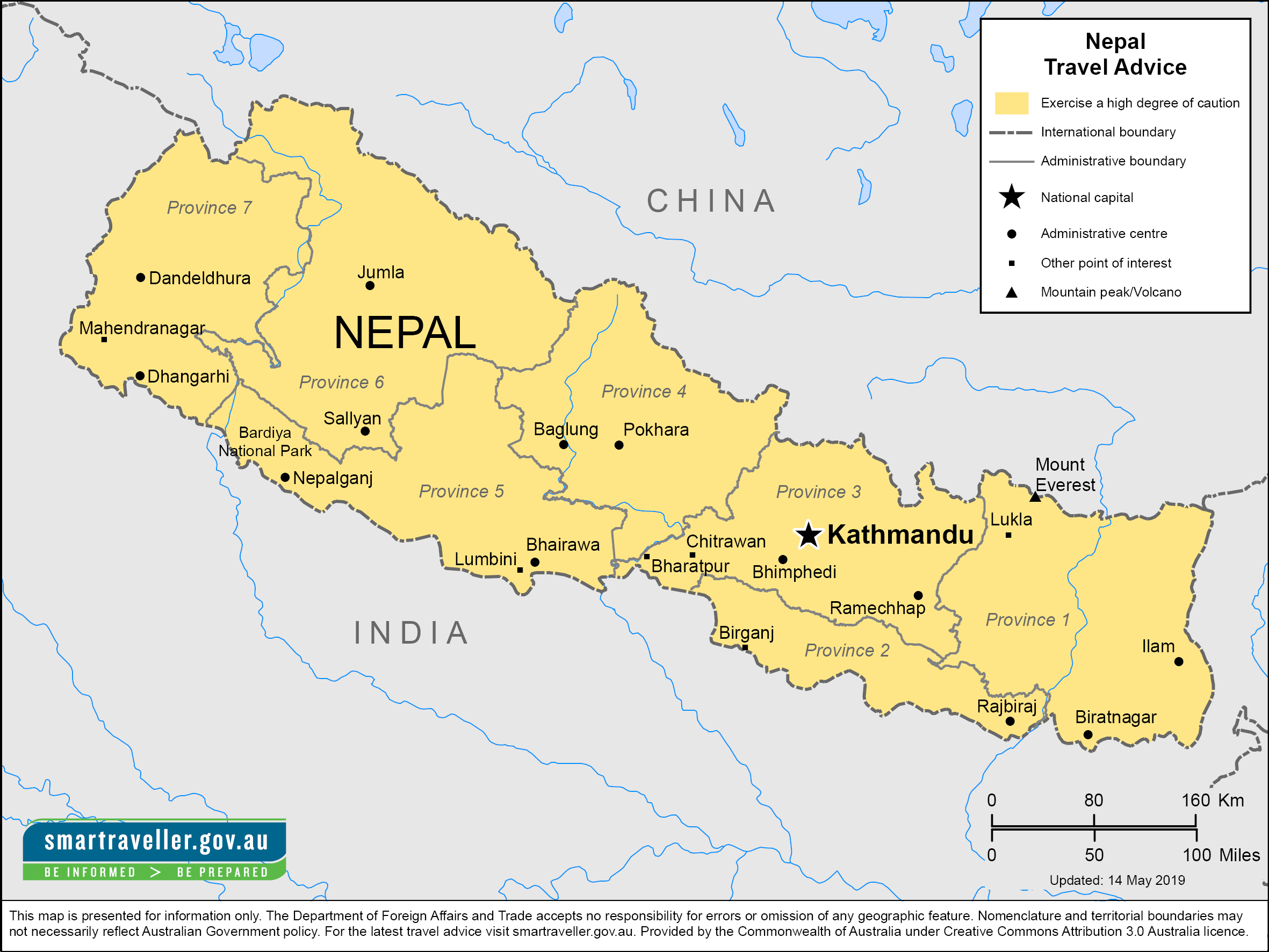
A massive wall of mud, stone, and water didn't just sweep through Nepal's valleys; it exposed how completely unprepared we are for modern climate disasters in high-altitude mountain zones. When the disaster struck along the Bhotekoshi and Trishuli river networks, it left devastation that caught entire communities flat-footed.
The death toll climbed to 579, while nearly 2,000 individuals remained unaccounted for as rescue efforts stretched deep into their hardest days. Over 4,500 people have been pulled to safety by security forces, but foreign nationals from more than 30 countries are still missing. Among them, Indian tourists faced some of the heaviest losses, with nearly a hundred still untraced despite intense coordination between regional governments.
What Triggered the Flash Flood
At first, people mistook the sudden rumble for an earthquake. The sheer force of the landslide triggered seismic movements recorded by global agencies. Scientists tracing the disaster point to the Lhende Khola, a transboundary, high-altitude river originating in Tibet that flows directly south into Nepal.
An ice-and-rock collapse at high altitude sent debris crashing down the valley. This mass temporarily dammed the river before bursting open into a catastrophic surge of water. Experts from the Department of Hydrology and Meteorology analyzed satellite imagery showing a combination of an ice avalanche, permafrost shifting, and a major rockslide.
It wasn't ordinary heavy rainfall that caused this. It was a cryospheric collapse. High-altitude permafrost is thawing out across the Himalayas, destabilizing steep rock walls that have stayed frozen for millennia. When these structures fail, they create sudden, violent flash floods that give communities zero warning time.
The Diplomatic Tug-of-War Over Foreign Help
Local politics complicated the early response phase. Initially, Kathmandu officials insisted that domestic security forces were fully equipped to handle the crisis alone, turning down offers of specialized international search teams.
That stance shifted fast. Intense diplomatic pressure from foreign nations with missing citizens forced a change in strategy. The government opened doors to select foreign specialists, specifically targeting tunnel rescue operations, complex DNA testing, and advanced forensic work. Prime Minister Balendra Shah faced heavy scrutiny over conflicting reports, eventually pushing for direct coordination with India, China, and international partners to speed up relief deliveries.
What This Means for Himalayan Infrastructure
You cannot build mountain infrastructure the same way anymore. Hydropower projects, roads, and bridges built across transboundary river basins face existential threats from glacial lake outbursts and permafrost failures.
When you look at the human cost—hundreds of lives lost, families searching desperately through sludge for missing loved ones, and entire settlements erased—it is clear that traditional disaster forecasting is failing. Early warning systems must evolve beyond simple rain gauges. They need real-time satellite tracking of high-altitude glacial movements and rock stability sensors.
Communities living downstream in both Nepal and neighboring regions like Bihar face recurring vulnerabilities as riverbeds rise with accumulated silt and debris. Governments must move past short-term relief handouts and invest in long-term structural relocation for high-risk river corridors.
Check local disaster authority updates if you plan to travel through Himalayan regions, map out emergency evacuation routes ahead of time, and support regional climate adaptation initiatives that prioritize real-time geologic monitoring.