Tsunami-like torrents of ice, mud, and water don't usually appear out of nowhere. Yet, that is precisely what slammed into the Himalayan valleys along the Nepal-China border.
If you've been following the disaster, you already know the scale is staggering. Thousands are missing, hundreds are confirmed dead, and entire communities along regions like Nuwakot and Rasuwa have been wiped off the map. But the real story isn't just about the immediate tragedy. It's about why high-altitude flash floods are becoming more common and far more destructive than anything we've seen before.
Let's look at what actually happened and what it means for anyone living, traveling, or working near these fragile mountain corridors.
The Anatomy of a Himalayan Catastrophe
The disaster began with a high-altitude mountain collapse. An avalanche of ice, stones, and mud cascaded down narrow valleys near the border of Nepal and China's Tibet autonomous region. When a glacial lake or unstable ice structure lets go, it releases millions of cubic meters of water in seconds.
The water didn't just rise; it surged. It tore through towns, completely destroying roads, bridges, and critical infrastructure like hydropower projects along the Trishuli and Bhotekoshi rivers.
Workers trapped inside tunnels at projects like Trishuli 3A found themselves cut off from the outside world. Some survived solely because they were deep underground when the wall of water hit. Their colleagues on the surface weren't as lucky.
The International Toll and the Information Gap
The human cost spans dozens of countries. Pilgrims traveling to sacred sites like Mount Kailash, foreign tourists trekking through high-altitude lakes, and local villagers were all caught in the path of destruction.
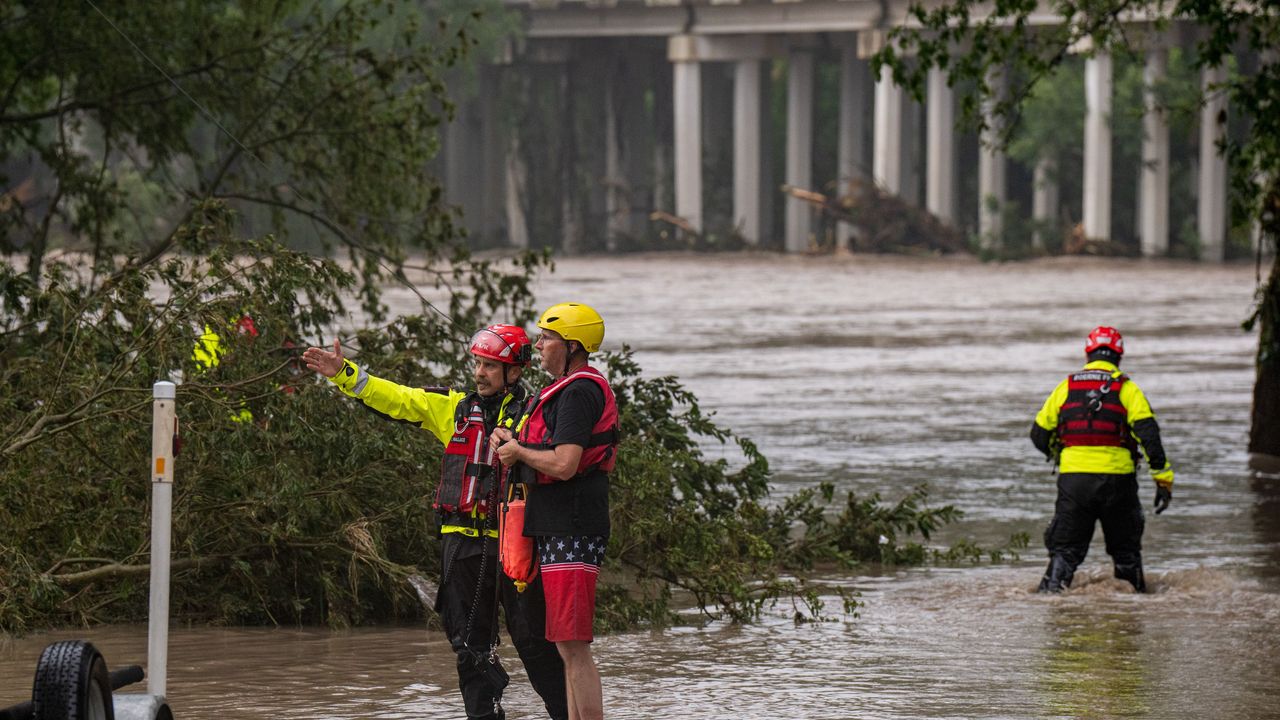
Days after the disaster, rescue teams on the ground in Nepal struggled through thick mud and debris. Helicopters were dispatched to locate survivors and airlift people out of cut-off valleys.
At the same time, the response highlighted a stark contrast in transparency. Nepalese authorities and disaster management agencies provided regular, detailed updates, listing missing persons by nationality—including dozens of citizens from the United States, India, Australia, and Britain.
In contrast, information from the Chinese side of the border in Tibet's Gyirong County trickled out slowly. Independent access was heavily restricted, leaving international observers to question the true scale of the casualties and missing persons reports in the Tibetan region. When transparency fails, relief efforts suffer.
What Most People Get Wrong About Glacial Floods
People assume these floods are just heavy monsoon rains. They aren't.
Monsoons cause river levels to rise gradually over days or weeks. Glacial lake outbursts and ice-and-rock avalanches act more like structural failures of natural dams. They happen instantly. You don't get a three-day warning. You get minutes—if you're lucky.
Another misconception is that these events only impact remote wilderness. Modern Himalayan infrastructure has expanded rapidly, with numerous hydropower dams and tourist roads built right along narrow river gorges. When a flash flood hits these narrow valleys, the funnel effect amplifies the destruction exponentially.
What You Need to Know If You Travel or Invest in High-Risk Zones
If you're planning a trek in regions like Rasuwa or organizing travel through mountain passes connecting Nepal and Tibet, the risk profile has changed permanently.
- Monitor local weather and geological alerts closely. Standard weather forecasts won't warn you about unstable glacial lakes upstream.
- Understand evacuation routes. In narrow gorges, traditional paths get washed out instantly. Know where high ground is before you step foot in a valley.
- Keep emergency communication devices. Cellular towers are often the first things to go when mudflows sweep through river corridors.
The mountains are telling us something. We need to listen, adapt our infrastructure standards, and prepare for a reality where extreme high-altitude disasters are no longer once-in-a-lifetime events.
Check your routes, respect the terrain, and stop treating climate and geological risks as distant future problems.
63 Americans missing, 356 people dead in Nepal flood
This video provides a direct overview of the casualties and the massive search-and-rescue response following the flash floods at the Nepal-China border.
http://googleusercontent.com/youtube_content/1