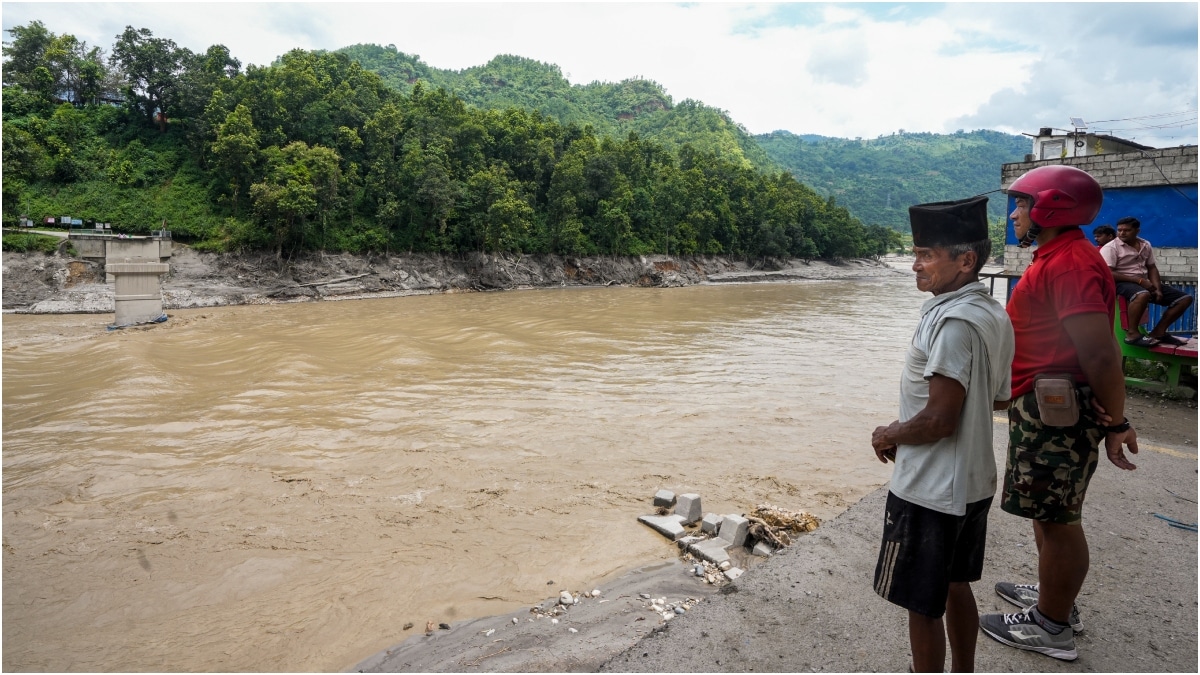
Floods don't just destroy homes; they rewrite the geography of entire regions overnight. When an ice-rock avalanche triggers a catastrophe in the Himalayas, the numbers that follow usually tell a grim story of survival, loss, and frantic emergency responses.
The recent Nepal floods caught thousands off guard. Rivers swelled, bridges snapped like twigs, and entire communities in districts like Chitwan and Nuwakot found themselves cut off from the outside world. If you are tracking the aftermath, trying to find loved ones, or wondering how disaster management teams are handling the crisis, you need the ground reality, not recycled headlines. Don't forget to check out our recent coverage on this related article.
The Grim Toll and Scale of Destruction
Official figures rarely capture the immediate chaos on the ground. According to the National Disaster Risk Reduction and Management Authority (NDRRMA), the death toll climbed past 530 victims as rescue teams pulled bodies from districts including Nuwakot, Dhading, Gorkha, Tanahun, Chitwan, and Nawalparasi.
Hospital morgues across these regions hit their absolute limits. Authorities had to improvise quickly, converting unused spaces like the Industrial Enterprise Development Institute in Bharatpur into temporary morgues to handle the influx. If you want more about the history of this, Wikipedia provides an in-depth breakdown.
The International Federation of Red Cross and Red Crescent Societies estimates that over 90,000 people are directly affected and urgently need humanitarian aid. Clean water, shelter, and medical supplies are scarce. Researchers from the International Centre for Integrated Mountain Development (ICIMOD) in Kathmandu point to high-altitude glacial instability as the prime suspect behind the sudden surge.
Tourists Caught in the Chaos
Thousands of travelers visit Nepal for trekking and exploring mountain trails every season, meaning disasters inevitably strand foreign nationals.
Rescue teams prioritized getting stranded travelers out of high-risk zones. Out of hundreds stranded, authorities successfully rescued 117 tourists from various impacted zones. That group includes:
- 85 Indian nationals
- 16 Chinese citizens
- 9 South Koreans
- 2 Italians
- 2 Americans
Ground teams note that finding and extracting tourists requires dangerous helicopter deployments, especially when weather conditions change by the minute. Hospitals in Kathmandu took in dozens of the injured for emergency treatment, while families scrambled for updates on anyone still unaccounted for.
Why Secondary Floods Remain a Constant Threat
The immediate danger of a flash flood is terrifying, but the aftermath often brings a secondary threat that is just as deadly.
Debris from the initial ice-rock avalanche accumulated at river confluences, creating temporary natural dams. These barrier lakes pool immense amounts of water behind unstable walls of mud, rock, and ice. When one of these barriers breaches, downstream communities face another wall of water without warning.
Disaster management personnel on the ground warn that risks won't disappear until these natural lakes fully drain. Emergency squads set up monitoring protocols, planning to install cameras and digital sensors downstream near border towns like Timure. Authorities from both Nepal and neighboring regions monitored the draining process closely to prevent catastrophic downstream surges.
The Logistics of a Massive Search Operation
Mobilizing help across rugged Himalayan terrain is an administrative and physical nightmare. Bridges are gone, mountain roads are buried under massive landslides, and communication lines are down in several pockets.
More than 7,000 security personnel—including thousands from the Nepal Army and local police forces—deployed across the disaster zones. Helicopters cut through narrow valleys to drop supplies into isolated villages and airlift the severely injured.
Healthcare infrastructure took a massive hit too. World Health Organization reports indicate that multiple local health facilities suffered heavy damage, leaving several healthcare workers missing in the chaos. This loss cripples the immediate medical response in rural areas where injured survivors desperately need triage and wound care.
If you are trying to reach someone in the affected regions or coordinating relief supplies, standard communication channels remain unreliable. Check official updates from local disaster authorities rather than relying on unverified social media posts that often spread panic. Relief groups are actively accepting specific humanitarian supplies, but physical access to the worst-hit mountain villages changes day by day.


