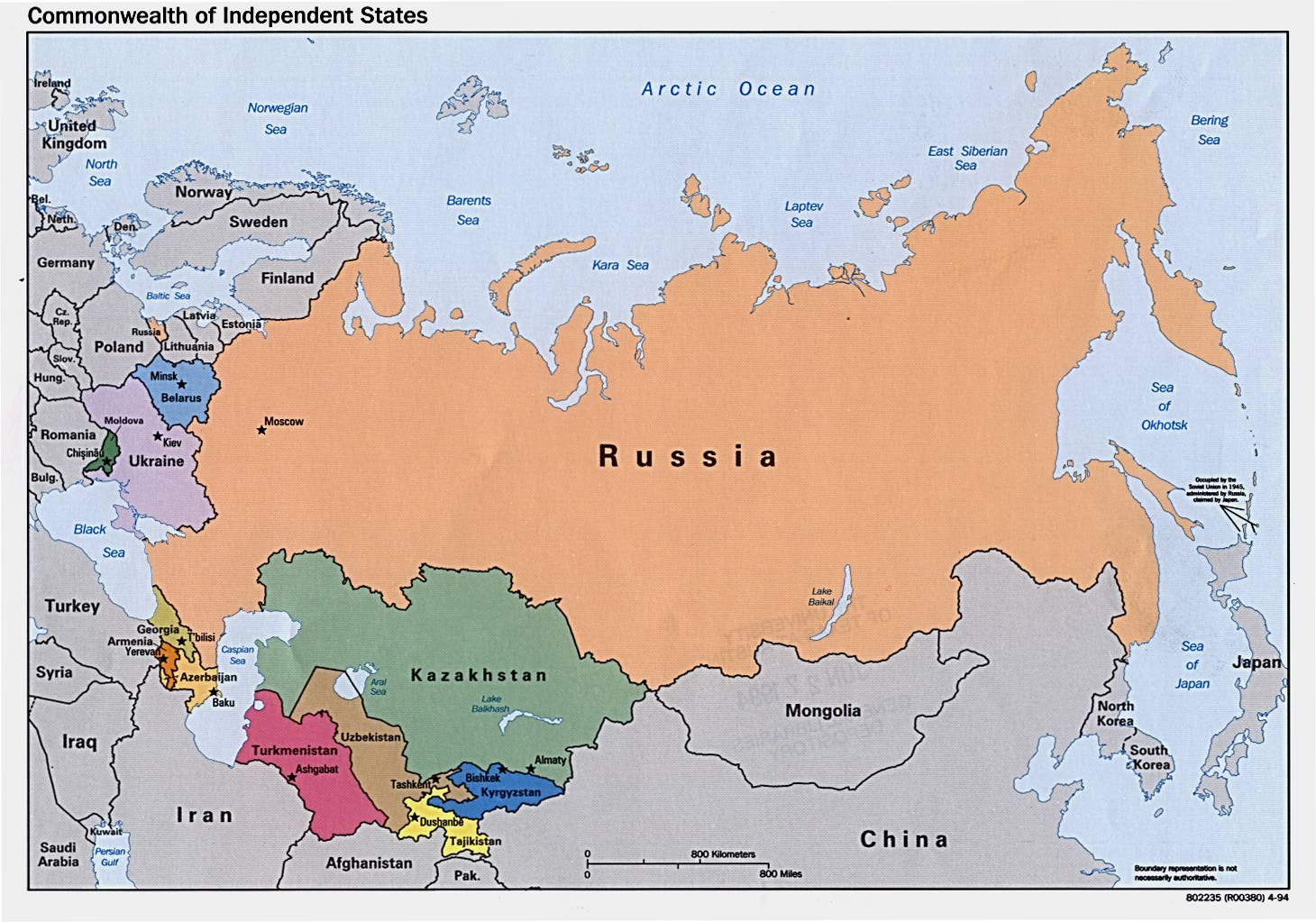
Air defense alerts don't usually wake up entire towns with emergency text messages unless something has fundamentally changed. Early in the morning on August 14, 2026, residents across eastern Latvia received emergency wake-up broadcasts on their mobile phones. Fighter jets assigned to the NATO Baltic Air Policing mission were scrambling. Minutes later, an unidentified unmanned aerial vehicle was blown out of the sky over the Balvi municipality.
If you think this is just another minor border blip, you're missing the bigger picture. Modern electronic warfare is turning Europe's eastern frontier into an accidental shooting gallery.
The Electronic Warfare Trap
Latvian military authorities didn't waste time pointing fingers at the root cause. Officials confirmed that the foreign drone crossed into NATO territory straight as a consequence of heavy Russian electromagnetic warfare. When electronic jamming starts scrambling guidance systems near conflict zones, long-range aerial vehicles lose their minds. They drift off programmed trajectories, fly blind, and wander across international borders before anyone can manually override them.
This isn't an isolated incident. Back in June, a similar drone was intercepted and destroyed over Latvia. Romanian airspace has faced parallel headaches, with fighter jets forced to neutralize multiple rogue aircraft over recent weeks.
People often ask why these drones keep drifting so far off course. The answer sits in the sheer intensity of radio-frequency jamming deployed across Eastern Europe. GPS spoofing and signal disruption are standard defensive tools used to protect assets deep inside active conflict zones. But those invisible electromagnetic shields throw off navigation systems indiscriminately. When a drone gets caught in a massive electronic grid, it stops following code and starts following momentum.
The Shift in NATO's Rules of Engagement
For a long time, the alliance took a passive approach. Early protocols favored monitoring or attempting to escort wayward aircraft away from protected zones rather than destroying them outright. Leaders worried about escalation. They feared that firing on a stray object could spark a direct military confrontation with Moscow.
That hesitation is gone.
Recent security evaluations across European capitals and Washington point to a sobering reality. Provocations, hybrid campaigns, and accidental breaches are blurring together. When an explosives-laden or unaccounted drone penetrates sovereign airspace, waiting to see what happens is no longer an acceptable option. NATO recently redesigned its rotational air policing framework into a much more aggressive air defense posture. Turkey, Italy, and other allied nations stepping up to lead these rotations are doing so with live combat mandates.
The stakes are too high. When aerial threats drift over residential communities or disrupt commercial aviation near regional borders, local authorities have to act.
What Happens on the Ground
Living on NATO's frontline changes daily life in ways Western media rarely captures. When an orange airspace alert triggers across regions like Balvi, Rezekne, and Aluksne, public life pauses. Pilgrims gathering for seasonal celebrations and families sleeping at home suddenly find themselves checking emergency apps.
When the military reports that an object was neutralized at high altitude, it brings a sigh of relief, but it also scatters debris across miles of countryside. Local authorities hand out the same strict warning every time: if you spot metallic fragments or strange components in the forest, don't touch them. Call emergency services immediately.
Latvia shares a direct border with Russia, and its citizens know that geography is destiny. The constant hum of regional tension means defense preparedness isn't a theoretical policy debate for politicians in Brussels. It's an active reality.
As long as the war in Ukraine continues to grind forward, electromagnetic jamming will remain a constant hazard. Stray drones will keep testing the resilience of neighboring borders. But today's shootdown sends an unambiguous signal. NATO airspace is closed to uninvited traffic, regardless of how it got there.
Check local emergency channels if you live or travel near eastern European border zones, keep emergency notification apps enabled, and never approach military wreckage.
Latvian military confirms drone shootdown over Balvi region
This video provides additional context regarding how NATO interceptors handle unauthorized airspace intrusions along the eastern border.