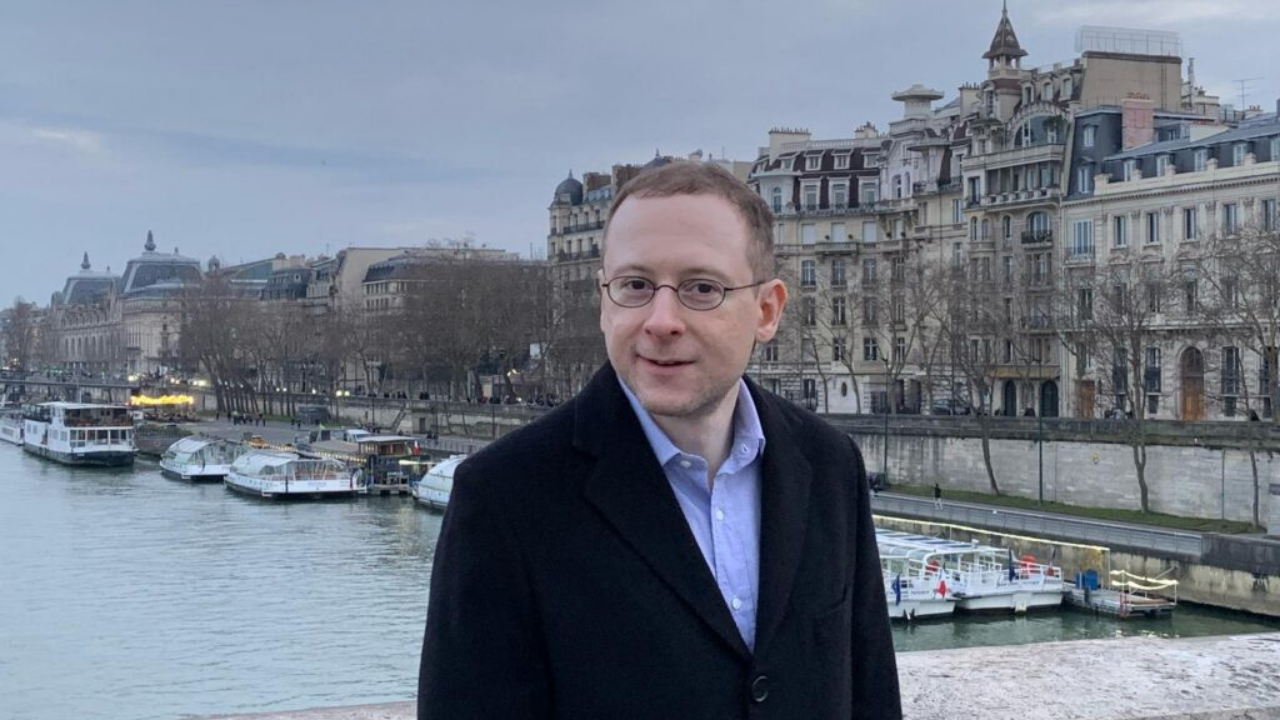
Academic freedom isn't some abstract philosophical concept written in dusty university handbooks. It is a messy, high-stakes battleground where institutional survival, political ideology, and individual reputations collide. When Nathan Cofnas—the researcher who targeted Cambridge University sociology professor Jason Arday with major plagiarism allegations—secured a postdoctoral post at Ghent University, nobody expected a quiet tenure. Instead, his arrival triggered a massive internal revolt, questions of political bias, and a swift suspension that highlights just how fragile modern academic institutions have become.
If you are watching the culture wars tear through higher education, you know this story is about much more than one disputed resume. It is about who gets to speak, who gets canceled, and how universities handle controversy when it lands directly on their doorsteps.
The Backlash at Ghent University
Cofnas arrived at the Belgian institution in March for a project examining the future of liberalism. Almost immediately, pushback materialized from within.
Professors in the philosophy and moral sciences department didn't just grumble in the faculty lounge. They submitted a 19-page formal statement to the university rector and faculty dean. Their core argument? Cofnas lacked the proper credentials for the job.
Look closely at the hiring criteria. The project demanded a strong research interest in liberalism and political philosophy. Yet, critics pointed out that his CV and publication record showed very limited expertise in those fields. Out of fourteen applicants, they argued, he was far from the strongest candidate.
Worse, the departmental pushback went beyond simple qualifications.
Ideology, Intelligence, and Accusations
Academia hates a disruptive figure who operates outside institutional orthodoxies. Cofnas has long attracted fierce criticism for his public writing on race, genetics, and intelligence.
Back in 2023, he posted remarks on social media suggesting average differences in personality and traits between groups. He also published a Substack piece detailing methods to push back against ideological conformity inside universities.
Because of these writings, the Ghent department claimed his appointment threatened the university's reputation. They argued his public commentary on intelligence was detached from actual scientific research he had conducted himself.
Before the formal department report dropped, the opposition had already mobilized. Hundreds of academics, alongside scores of students and department staff, signed letters expressing outright astonishment at his hiring. They suspected the decision was an ideological choice made long before anyone checked the candidate pool.
Cofnas hit back hard against the claims. He defended his record publicly, maintaining that his qualifications speak for themselves. He argued that his critics are simply trying to shut down debate and punish him for holding non-conforming political views.
The Broader Fallout and Suspension
This institutional friction happened against the grim backdrop of the Jason Arday controversy. Arday, a prominent Cambridge sociologist, faced intense scrutiny over his academic work before his tragic death in August. While Arday acknowledged mistakes, the plagiarism allegations opened up deep wounds regarding vetting processes, representation, and institutional pressures within elite universities.
Ghent University didn't wait long to act. Faced with intense internal pressure and public scrutiny, leadership slapped Cofnas with a suspension pending a preliminary investigation.
University leaders Petra De Sutter and Herwig Reynaert tried to walk a fine line. They insisted they value academic freedom and open debate, even when opinions turn controversial. But they added a critical caveat. Freedom isn't limitless, and it comes with responsibilities that can be restricted to protect others.
What This Means Moving Forward
You don't have to pick a side in this messy feud to see the writing on the wall. Universities are increasingly caught between absolute commitments to free speech and the fierce protection of institutional comfort.
When hiring committees select controversial scholars, they invite immediate internal rebellions. When they suspend them under pressure, they invite lawsuits and charges of ideological censorship. There is no easy middle ground left.
If you want to understand where higher education is heading, look at Ghent. The traditional firewall protecting academic appointments from political litmus tests is cracking. Expect more transparency demands, more faculty revolts, and an even tighter squeeze on scholars whose views step outside the acceptable lines of elite consensus.