You don't just taste food with your tongue. You feel it. When you bite into a crispy piece of takeout chicken or sip a frothy iced espresso, your brain is tracking crunch, viscosity, and chew just as intensely as it tracks salt or sugar.
For decades, flavor reigned supreme in the food industry. If a snack tasted like sweet strawberry or sharp cheddar, product developers called it a day. But that playbook is dead. Today, mouthfeel has officially caught up to flavor. Consumers are craving intense physical sensations, forcing major brands to rethink how food feels from the first bite to the final swallow.
The Sensory Shift Behind Your Snack Cravings
If you have noticed an explosion of layered, crunchy, and gooey snacks lately, you aren't imagining things. Mintel data shows that online product searches for descriptors like chewy, soft, gooey, and melt-in-the-mouth are surging.
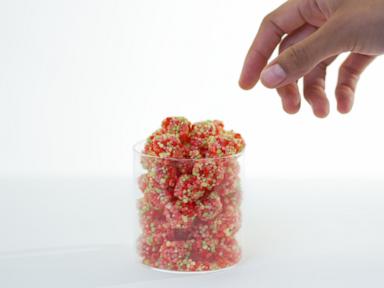
People want sensory engagement. Think about products like Nerds Gummy Clusters or crispy freeze-dried treats. They offer a direct contrast—a crunchy shell giving way to a soft center—which completely changes how your brain processes the snack. Shannon Weiner, senior director of consumer insights at candy manufacturer Ferrara, points out that we live in an overstimulated digital world. When people snack while scrolling phones or working, texture breaks through the mental noise and forces them to pay attention.
Even the pandemic played a weird role in this shift. When millions of people temporarily lost their smell and taste to COVID-19, the physical sensation of eating became the only anchor left. That tactile awareness stuck around long after taste buds recovered.
Why Texture Is a Food Technologist's Nightmare
Getting mouthfeel right is brutally difficult. It is one thing to formulate a great strawberry flavor in a lab, and an entirely different challenge to keep french fries crispy for thirty minutes inside a delivery bag.
Patrick Kalotis, executive vice president of texture and healthful solutions at ingredient supplier Ingredion, notes that texture is so central to eating that consumers frequently mix it up with taste. People say a drink is fizzy or a yogurt is creamy, thinking they are describing flavor profiles when they are actually talking about mouthfeel.
Food giants are scrambling to solve these physics problems:
- Ingredion has engineered potato starch-based coatings designed to keep delivery french fries crisp for half an hour.
- McDonald's overhauled its McCrispy chicken strip recipe after customer feedback flagged that the crust lacked sufficient crunch.
- Ingredient innovators like Puratos emphasize that texture has evolved from a minor background feature into the primary benchmark of food quality.
The Marketing Disconnect No One Talks About
Here is the irony keeping brand managers awake at night. Consumers are desperate for novel textures, yet food manufacturers are terrible at selling them on the label.
Market research from Mintel reveals that 59 percent of packaged foods introduced in the U.S. feature zero textural claims on their packaging. Shoppers are actively hunting for foods with distinct physical properties, but the labels still just talk about natural flavors or vitamin additions. Brands are leaving massive amounts of consumer satisfaction on the table simply because they haven't figured out how to market crunch and chew effectively.
Where the Market Goes From Here
If you are building a food product or trying to understand retail trends, stop obsessing exclusively over flavor profiles. Look at layering. Look at temperature contrasts, like frozen yet chewy gummies. Look at how products survive the trip from a restaurant kitchen to a living room couch.
Pay attention to demographic shifts, too. As populations age, the physical mechanics of chewing and swallowing change, opening up huge white spaces for products that deliver excitement without jaw fatigue.
Stop treating mouthfeel like an afterthought. If your food doesn't offer a compelling physical experience, modern consumers will drop it for something that does. Start auditing your product's texture profile today, or watch your market share melt away.