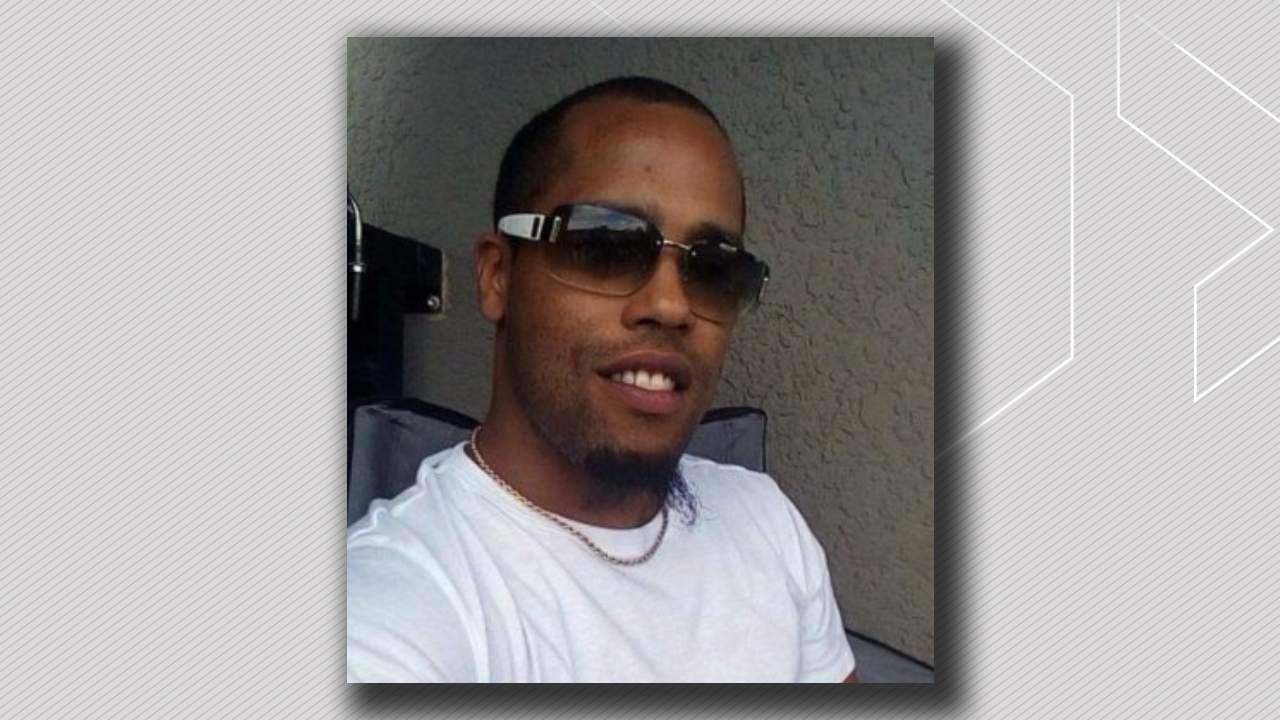
Ten years and nine months behind bars. That is the sentence handed down to Nathan Bell for his role in the chaotic late-night violence at Sherbourne and Dundas streets that left one man dead and multiple others injured.
If you look closely at the court files, the headline number hides a much harsher reality. Bell was already bound by three separate weapons prohibition orders when he stepped out of an Uber in Toronto with an illegal firearm tucked into his clothes. He had a rap sheet containing 43 previous offences dating back to 2005, including a prior manslaughter conviction that netted a 35-month prison stint.
When courts hand down double-digit sentences to repeat offenders caught ignoring lifetime bans, it forces a hard look at the justice system. Is a decade enough for a man who treats firearms prohibitions like speed limits? Let's break down what actually happened during that violent night in Moss Park and why the legal fallout leaves so many questions unanswered.
The Night The Violence Started
It began just before 3:00 a.m. on September 16, 2023. Bell and his friend Richard Baker took a ride from Brampton straight into downtown Toronto. They met up with Baker's brother and drifted toward a bus stop where a crowd had gathered after a local park event.
What should have been a routine late-night encounter quickly turned toxic. According to Justice Philip Campbell's judgment, an antagonistic verbal exchange flared up regarding property or robbery.
Then came Omer Gedo. He approached the new arrivals with a side-to-side waddling gait, concealing a hatchet inside the front pocket of his hoodie. Tensions peaked at a sidewalk fence. Thirty-four seconds of surveillance footage later captured a bloodbath.
Four people took bullets. Thirty-three-year-old Kyle Provo caught a round in the back of the head while trying to run away, dying from his wounds. Gedo took five shots. Two other bystanders got hit in the crossfire.
The Trial And The Verdict
Bell walked into a six-week jury trial facing the absolute worst charges possible: first-degree murder for Provo's death, alongside three counts of attempted murder.
He didn't beat every rap, but he beat the big ones. On May 22, the jury acquitted Bell of first-degree murder and cleared him of the attempted murder counts. Instead, they convicted him on the lesser charge of discharging a firearm with intent to wound.
Bell testified that he saw Gedo as an immediate threat to his friend, claiming he fired in self-defence after hearing shots he thought came from Gedo. The jury clearly didn't buy the self-defence argument entirely, but they doubted he walked onto that street with the specific, premeditated intent to commit murder.
Later, during his sentencing hearing, Bell pleaded guilty to three counts of violating his active weapons prohibition orders.
Why The Sentence Stirs Debate
Justice Campbell called the incident a public shooting in a crowded setting by a man who carries illegal hardware as a matter of routine. With enhanced credit for time already served in pretrial custody, Bell faces roughly six years and five months inside actual custody.
When you factor in his extensive criminal history—43 convictions, a past manslaughter sentence, and explicit court orders telling him not to touch a gun—critics argue the timeline feels remarkably short for a public shooting that cost a man his life.
During his allocution, Bell expressed remorse, told the court he finally knows he has to let the guns go, and stated there would be "no more guns for me." He turns 40 behind bars, possessing a personality and intelligence that his lawyer and judge noted made his violent choices all the more tragic and confusing.
Yet public safety isn't built on potential or charm. It relies on keeping repeat offenders away from the public when they prove time and again that court orders mean nothing to them. As co-accused Richard Baker prepares to face his own trial next year, the broader conversation about why career criminals easily bypass firearms bans remains wide open.