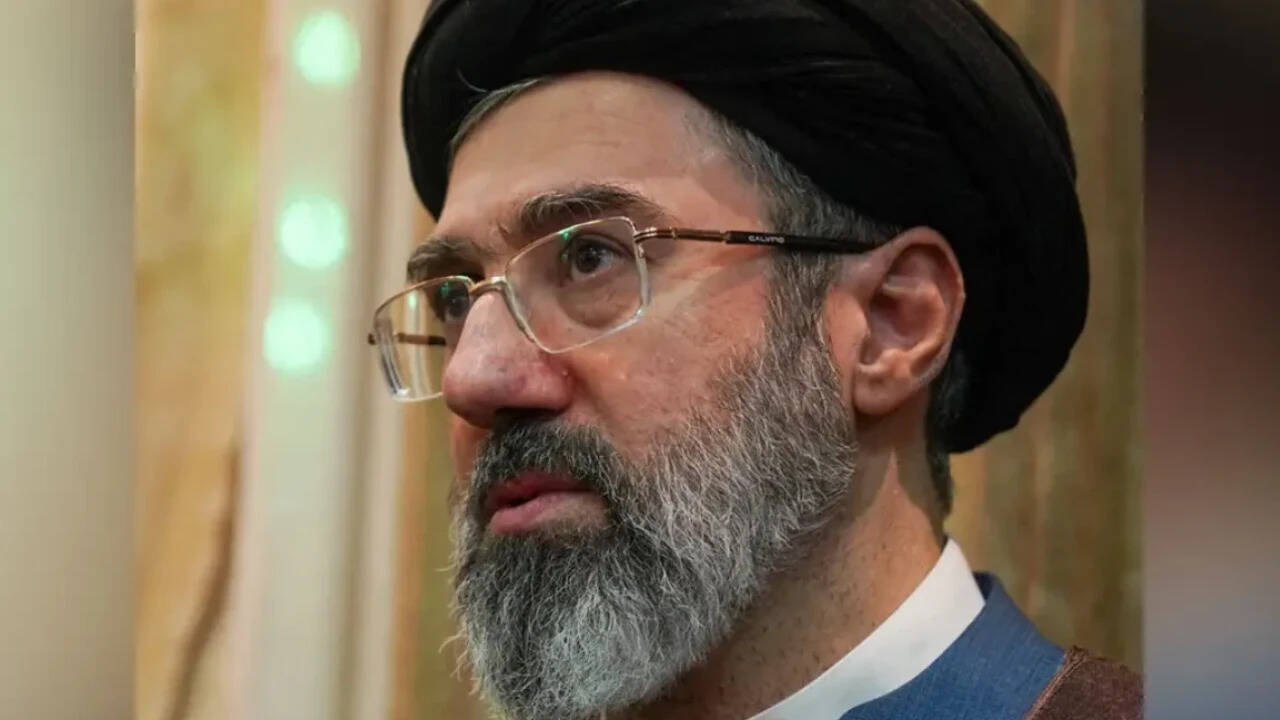
Iran just completely restructured its top military command. Supreme Leader Mojtaba Khamenei signed off on decrees appointing six senior commanders to vital positions across the armed forces, the Islamic Revolutionary Guard Corps (IRGC), and the Basij. This isn't just routine administrative shuffling. It's a calculated wartime consolidation of power following months of severe leadership losses and active conflict with the United States and Israel.
If you want to understand how Tehran plans to weather ongoing regional escalation, look at the people receiving these badges. Hardliners are taking total control.
The New Faces at the Top
The military shakeup affects the highest tiers of Iran's defense establishment. Major General Ali Abdollahi takes over as the Chief of Staff of Iran's Armed Forces, stepping into a role that demands intense operational coordination. Right beside him, Brigadier General Kioumars Heydari assumes the post of Deputy Chief of Staff.
The IRGC—the ideological backbone of the state—gets an even more direct hardline push. Brigadier General Ahmad Vahidi has earned a promotion to Major General and now serves as the Commander-in-Chief of the IRGC. Backing him up as deputy is Major General Mostafa Izadi.
Down in the maritime sector, Rear Admiral Ali Azmaei takes command of the IRGC Navy, filling a seat left vacant after earlier casualties. Meanwhile, former intelligence figure Hojjatoleslam Hossein Taeb takes charge of the Basij Resistance Force.
Filling the Gaps Left by Wartime Strikes
These appointments formalize a military structure that has largely operated informally for months. Following the intense air campaigns and targeted strikes earlier in the year that claimed the lives of high-ranking generals and officials—including the late Supreme Leader Ayatollah Ali Khamenei and figures like Alireza Tangsiri—the regime faced critical structural voids.
Tehran's leadership had to patch together command lines on the fly. By issuing these formal decrees, Khamenei is locking down discipline and tightening his grip. He's placing trusted, veteran hardliners into positions where loyalty and past combat experience under fire outweigh everything else.
Mohsen Rezaee also entered the mix recently, taking over as Khamenei's representative to the Supreme National Security Council. Rezaee's return signals a clear reliance on figures shaped by the Iran-Iraq war era. The old guard is back, steering the ship through stormy waters.
Domestic Stability and the Health Rumors
Political tension inside the country matches the military strain. President Masoud Pezeshkian recently stepped forward to publicly dispel rumors regarding Khamenei's health. Pezeshkian insisted the Supreme Leader is entirely healthy following a lengthy meeting focused on economic survival, sanctions, and national unity.
Yet, the stark contrast between Pezeshkian's more moderate diplomatic posture and the unyielding stance of the newly empowered IRGC leadership highlights a deep internal friction. The military calls the shots on security, and these recent placements prove the hardline apparatus intends to maintain absolute dominance over state strategy. Expect zero hesitation from Tehran on regional defense moving forward.