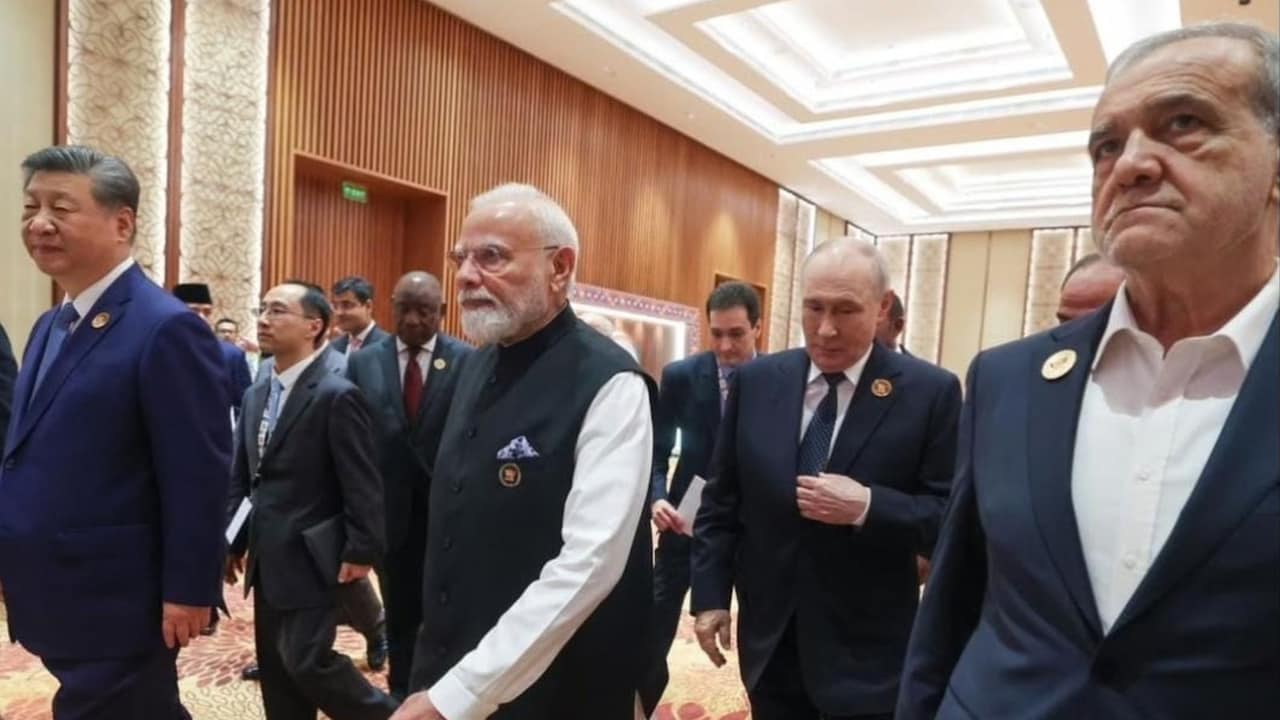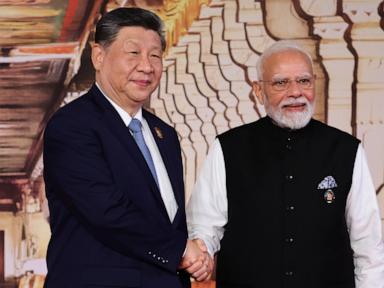
Foreign policy shifts rarely happen overnight, but when Indian Prime Minister Narendra Modi and Chinese President Xi Jinping sat down face-to-face in New Delhi, the tone changed. Seven years had passed since Xi last visited the Indian capital. A lot broke in that window. The deadly 2020 clash in the Galwan Valley turned a simmering territorial dispute into a full-scale military freeze. Tens of thousands of troops dug in along the Line of Actual Control. Artillery and fighter jets replaced handshakes.
Yet, diplomacy demands pragmatism. On the sidelines of the BRICS summit, both leaders decided it was time to pull back from the brink. Does this mean the Asian giants are best friends now? Not even close. But it does mean the architecture of regional stability is getting a necessary rebuild.
Moving Past the Breaking Point
You can't ignore a massive trade deficit while trying to build a lasting friendship. Bilateral trade has climbed past $127 billion, but India carries a massive deficit of nearly $100 billion with Beijing. Modi didn't shy away from these harsh economic realities during the summit. He made it clear that market access and supply chain imbalances have to be fixed.
Xi came armed with a different message, pitching China and India as partners rather than rivals. He emphasized that the two most populous countries on earth shoulder massive responsibilities for the Global South. It sounds good on paper. But New Delhi knows trust requires verification. Modi stressed that peace along the frontier remains the baseline for everything else. Without tranquility on the border, commercial ties stall.
The Three Mutuals Formula
Modi introduced a sharp framework for the future: mutual respect, mutual sensitivity, and mutual interest. It is a direct warning against unilateral moves in sensitive sectors. India wants Beijing to respect its core concerns, especially regarding border sovereignty and regional security.
Meanwhile, physical disengagement remains a messy work in progress. Even though troops pulled back from major friction points in Ladakh following previous agreements, minor flare-ups in places like Arunachal Pradesh prove that friction never truly sleeps. Both militaries still maintain heavy infrastructure along the frontier. Diplomatic handshakes don't erase high-altitude bunkers overnight.
What Comes Next for Global Diplomacy
The real test of this meeting won't happen in a summit hall. It will happen on the ground. Watch for the resumption of direct flights, streamlined visa processing for business leaders, and the revival of traditional pilgrimages. If these institutional gears start turning again smoothly, the thaw is real. If they stall, expect a return to cold competition.
Keep an eye on how India balances its deepening partnerships with Western powers while managing this awkward détente with its largest neighbor. Navigating a multipolar world takes a steady hand.
Take a close look at upcoming trade data and military commander talks to judge whether this reset holds weight or fades into another diplomatic footnote.
Modi-Xi Meet Signals India-China Reset, Leaders Push Partnership
This video provides live updates and comprehensive analysis regarding the Modi and Xi meeting at the BRICS summit and what it means for regional stability.
http://googleusercontent.com/youtube_content/1