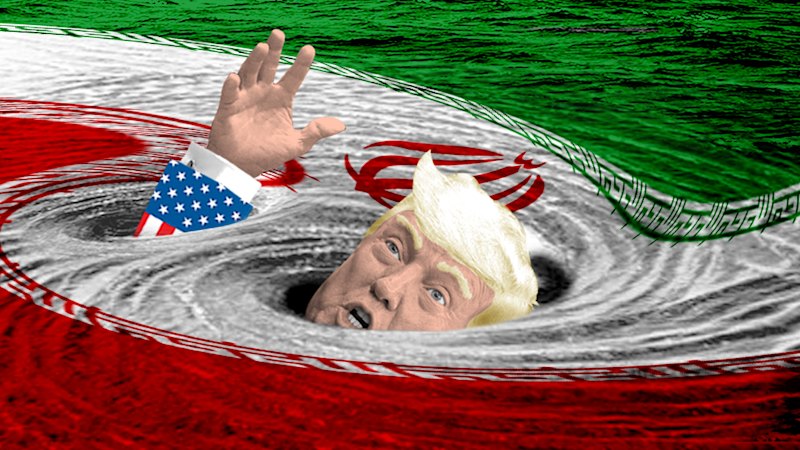
Washington used to call the shots from Cairo to Tehran, but those days are officially dead and buried. If you are paying attention to the shifting alliances across the Persian Gulf, it is obvious that the region is rewriting its own rules without waiting for permission from the White House.
For decades, American foreign policy operated on a simple assumption: massive military presence equals absolute regional control. That illusion shattered when recent escalations exposed the severe limits of U.S. power projection. When regional heavyweights like Saudi Arabia, Turkey, and Pakistan sign landmark defense pacts on their own terms, you are watching the birth of a genuinely post-American era.
The Myth of Permanent Security Guarantees
For years, smaller Gulf states relied entirely on the American military umbrella for protection. They bought billions in defense hardware and assumed Uncle Sam would always step in to handle regional adversaries.
That mindset is changing fast. Strategic miscalculations and the exhausting political cycles in Washington have taught local leaders a harsh lesson. Relying on an outside superpower that changes its priorities every four years is a terrible long-term survival strategy.
Instead of looking to Washington for rescue, regional actors are building localized deterrence architectures. The new mutual defense agreements taking shape in Mecca and Riyadh prove that Sunni powers are ready to manage their own backyard. They do not want another endless desert quagmire backed by Western politicians who do not understand local dynamics.
Economic Leverage and the Chokepoint Reality
Control over global energy corridors used to mean Washington could dictate terms to oil-producing nations. Today, the economic leverage equation looks entirely different.
When regional conflicts threaten vital waterways like the Strait of Hormuz, the fallout hits global markets instantly, and the U.S. Navy cannot simply wave a wand to fix deep-seated supply disruptions. Iran's ability to squeeze maritime trade routes exposed vulnerabilities that surprised military planners.
At the same time, local economies are diversifying away from pure petrodollars. They are forging independent trade ties with Asian markets, European capitals, and regional neighbors. When oil exporters talk directly to Beijing, New Delhi, and Tokyo without routing discussions through the State Department, American hegemony quietly erodes.
What Washington Gets Wrong About Modern Diplomacy
American administrations constantly fall into the trap of thinking every foreign leader wants to be a junior partner in a U.S.-led coalition. They don't.
Middle Eastern capitals are practicing multi-alignment. They will cooperate with the United States on intelligence or counterterrorism one day, and then sign trade deals with America's fiercest economic rivals the next. This transactional approach drives traditional foreign policy purists crazy, but it is brilliant statecraft for local rulers who want maximum independence.
You can see this frustration reflected in shifting rhetoric. When U.S. politicians issue grand ultimatums, local leaders often nod politely in public while quietly pursuing policies that directly contradict Washington's wishes.
Where the Region Goes From Here
The shift toward a post-American Middle East does not mean the U.S. is disappearing overnight. Intelligence sharing, legacy military bases, and historic diplomatic channels will stick around for a long time.
However, the psychological dependence is gone. Regional powers now assume that they are entirely responsible for their own security and economic future. If you are analyzing global markets, diplomatic risk, or energy security, you have to throw out the old playbook. Stop viewing the region through the lens of what Washington wants, and start looking at what local capitals are willing to enforce themselves.