Most kids spend their weekends watching cartoons or playing outside. At eight years old, Maya Penn was sitting at a sewing machine crafting ribbon headbands from leftover fabric and vintage pieces. She didn't wait for permission or a venture capital round. She just started building.
What began as a kitchen-table experiment in Atlanta turned into Maya's Ideas, an online shop that brought eco-conscious clothing to a broader market. By the time she hit twelve years old, her business was projected to pull in roughly $55,000 in annual sales. More importantly, she proved that profit and social responsibility could coexist from day one.
The Reality of Starting With Minimal Capital
People love to talk about massive startup funding rounds as if they are a mandatory requirement. Maya's story shatters that illusion completely.
When she needed supplies that weren't available around the house, her mother gave her a $200 budget. That small amount covered her initial raw materials. Instead of pocketing early cash, she reinvested her earnings straight back into the company.
Running a lean operation forces you to learn resourcefulness. You figure out inventory management, customer service, and production quality the hard way. You test ideas on a micro scale before risking real money. Most adults complicate entrepreneurship with endless planning decks. Maya just kept making products and listening to her buyers.
Weaving Sustainability Into the Foundation
Eco-friendly fashion wasn't just a marketing buzzword for her. It was baked into the physical product line.
Her father, John Penn, had a background in science and technology, winning awards for solar energy projects from NASA and the US Air Force Honor Guard. Growing up around that mindset meant Maya learned early on about environmental impact and alternative energy. When she started looking at the fashion industry, she noticed the heavy chemical usage and toxic textile dyes poisoning water systems.
Instead of ignoring the problem, she pivoted toward organic cotton, recycled fabrics, and sustainable sourcing. She wanted clothing that looked good without trashing the planet. That choice became the core identity of Maya's Ideas long before sustainability became a corporate checkbox for major brands.
The Power of an Unconventional Education
Homeschooling played a massive role in how Maya developed her professional mindset. Her parents, Deidre and John, gave her the room to explore problem-solving, creative writing, animation, and business mechanics simultaneously.
Independence wasn't just encouraged; it was expected. When you are taught to think for yourself instead of just memorizing test answers, you start seeing gaps in the marketplace. Maya didn't limit herself to just sewing headbands. She built an entire multimedia creative identity that included graphic design, illustration, and public speaking.
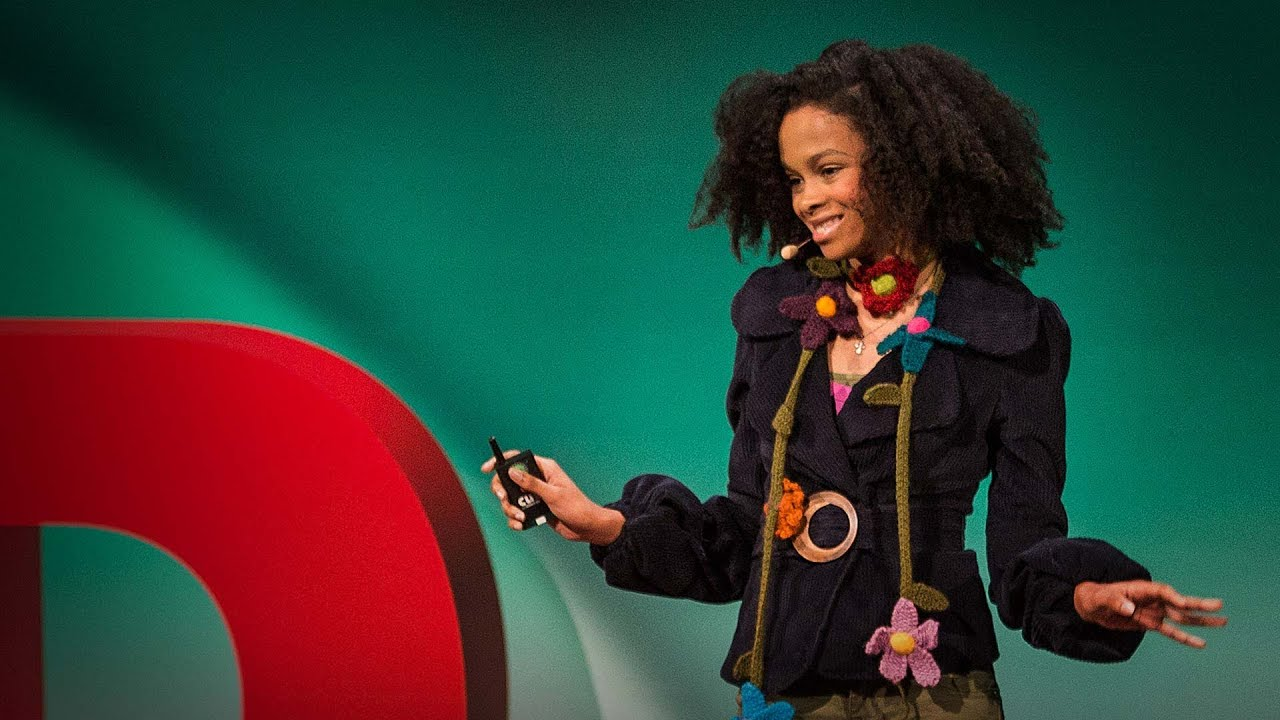
She took her message to the TED stage, delivering talks that connected youth entrepreneurship with planetary stewardship. By the time she spoke at TEDWomen, she wasn't just a novelty act. She was an authority on conscious commerce.
Giving Back Without Waiting for Success
Too many businesses promise to donate a percentage of profits "once we scale." Maya skipped that excuse entirely.
From the very beginning, she pledged 10% of her profits to local Atlanta charities and environmental organizations. This habit came straight from her household routine. Her parents regularly took her to buy canned goods and food supplies for local food banks. Philanthropy wasn't a PR stunt; it was a normal part of daily life.
By the time her sales hit major milestones, she had already contributed thousands of dollars alongside heavy volunteer hours. Building a give-back model into your pricing structure from day one changes how you view your work. It stops being about extraction and starts being about contribution.
What You Can Learn From Maya's Blueprint
If you are sitting on a business idea right now, stop waiting for the perfect market conditions. You don't need a massive loan to test an MVP.
- Start with what is in your immediate environment, just like those leftover scraps of fabric.
- Reinvest your first dollars instead of spending them on vanity metrics.
- Solve a real problem, whether it is toxic manufacturing or a lack of ethical options in your niche.
- Build contribution into your core model rather than treating charity as an afterthought.
Maya Penn didn't wait to grow up to make an impact. Neither should you.