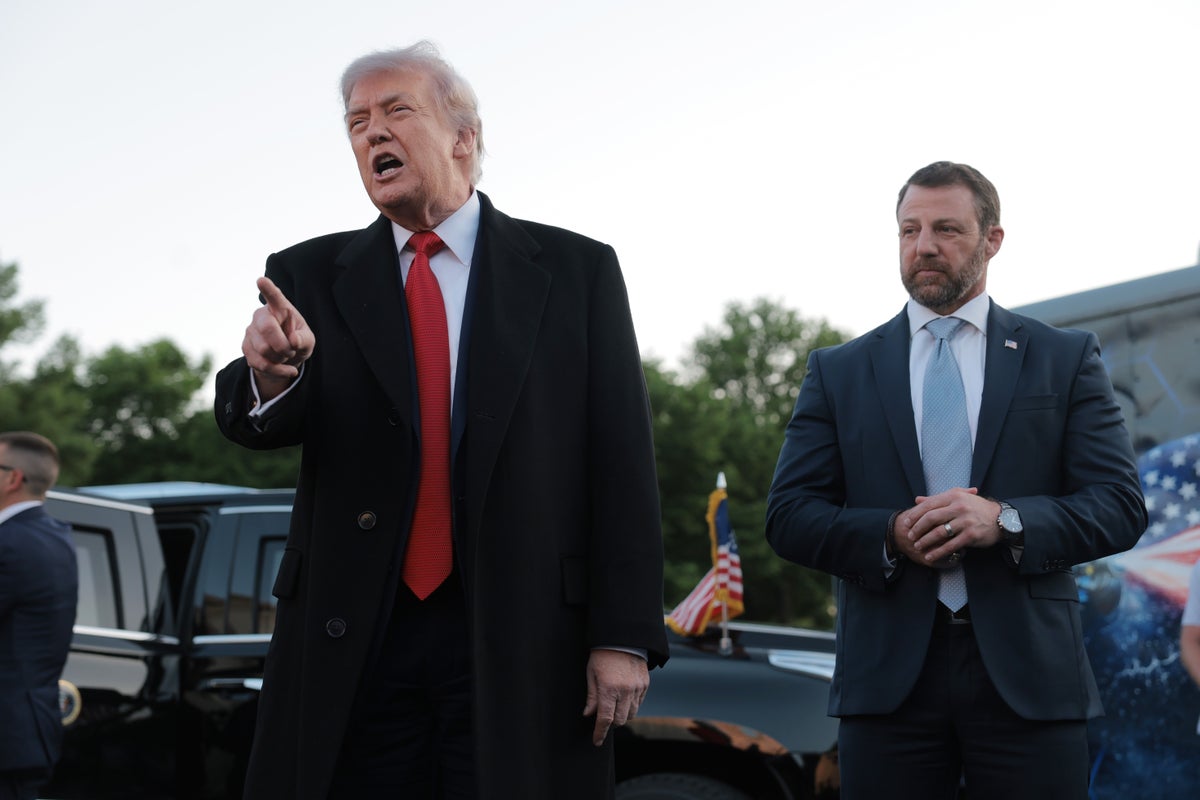
Political survival in Washington rarely comes with a grace period. When Donald Trump tapped former Oklahoma Senator Markwayne Mullin to run the Department of Homeland Security, the expectation from his base was total, unyielding alignment with hardline immigration enforcement. Months into his tenure, reality looks a bit messier. Friction points are multiplying behind closed doors, and the base is watching closely.
If you thought running a massive federal agency would mirror a stint in the Senate or managing a regional business, the friction at DHS proves otherwise. Trump's inner circle thrives on absolute loyalty and zero public ambiguity. When a cabinet secretary veers off-message, the alarms go off immediately.
Where the Friction Stems From
The tension points aren't entirely secret. Immigration policy serves as the core test for anyone carrying out Trump's second-term agenda. Every misstep or perceived departure from the rigid script triggers swift backlash from populist influencers and dedicated conservative media outlets.
Mullin stepped into the role following Kristi Noem's abrupt exit, inheriting an agency caught between massive operational mandates and bureaucratic constraints. That transition alone invited intense scrutiny. But the current grumbling goes deeper than standard administrative growing pains.
- Messaging Missteps: Staying locked on the official administration narrative is mandatory. Any deviation opens the door to internal friction.
- Operational Bottlenecks: Translating broad campaign promises into legal, actionable border enforcement takes time, which frustrates impatient supporters.
- Base Expectations: The MAGA coalition expects immediate, sweeping results, leaving little room for institutional pragmatism.
Critics within the party point out that managing homeland security requires a delicate balance of aggressive enforcement and administrative competence. Striking that balance without angering populist purists is nearly impossible.
The Reality of Cabinet Pressure Under Trump
Working at the highest levels of a high-stakes administration means you are always one news cycle away from a crisis. Cabinet secretaries face a dual threat. They must satisfy a demanding president who monitors media coverage daily, and they must answer to a restless voting base that expects dramatic systemic overhauls overnight.
When reports surface regarding White House annoyance, it usually signals a warning shot. Past cabinet members learned the hard way that once public murmurs of frustration begin, your margin for error shrinks to practically zero. Mullin's background as a former mixed martial arts fighter and businessman taught him how to absorb physical and political blows, but Washington politics operates on an entirely different scorecard.
What Comes Next for the DHS Leadership
The immediate path forward requires ironclad message discipline and visible, aggressive action on the southern border and interior enforcement. Supporters want fewer procedural updates and more concrete operational wins.
If the administration's leadership cannot smooth over these internal bumps, speculation about future shakeups will only intensify. Keep a close eye on how the department handles upcoming legislative funding battles and border metrics. That data will determine whether the turbulence settles or forces a deeper crisis at the top of national security.


