History gives us plenty of names, but it rarely gives us ordinary people who stepped up in extraordinary ways without a second thought. On September 11, 2001, twenty-four-year-old equities trader Welles Crowther didn't think about his career on the 104th floor of the South Tower. He thought about survival. He thought about others. If you remember anything from that morning, you probably know him by his trademark symbol—the red bandana he carried since childhood.
Friends, family, and communities across the country continue to honor Welles Crowther because his story defies the passage of time. It isn't just a relic of a tragic Tuesday morning. It's a living masterclass in character. Let's look at why his legacy cuts so deep and what we can actually learn from how he lived and died.
The Making of a Lifelong Protector
Character doesn't appear out of thin air when crisis hits. Welles was built for action long before 2001. Growing up in Nyack, New York, he joined the local volunteer fire department as a junior firefighter at age sixteen. He understood smoke, gear, and high-stakes chaos.
After playing lacrosse at Boston College, he chose a desk job in finance. Yet that early firefighting instinct never left him. When the first plane hit the North Tower, Welles was working high above Manhattan. He could have fled immediately. Instead, he made the choice that defines his legacy.
The Mystery of the Man in the Red Bandana
In the months after the attack, survivors from the South Tower shared bizarre, heroic accounts of a mysterious young man. He wore a red handkerchief over his nose and mouth to filter out toxic smoke. Survivors like Ling Young recalled how his calm, authoritative voice cut through the panic. He shouted instructions, found a functioning stairwell, and led wounded strangers to safety.
Then, he did something that separates heroes from ordinary good Samaritans. He turned around.
Welles went back up into the burning tower multiple times to find more people. His parents didn't know what happened to him for months until a New York Times article described a mysterious rescuer wearing a red bandana. When survivors looked at photographs of Welles, they instantly recognized him. His body was eventually discovered in the lobby alongside emergency responders who were still trying to save lives. He is credited with saving as many as eighteen lives.
How His Family and Community Keep the Flame Alive
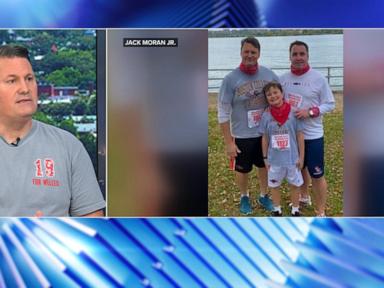
Honoring someone like Welles takes more than a moment of silence. His family established the Welles Remy Crowther Charitable Trust to fund youth leadership, education, and service initiatives. Every year, institutions like Boston College host dedicated games and tributes, ensuring that students who weren't even born in 2001 understand who he was.
Athletes wear red bandanas. Fire departments share his story with recruits. His father, Jefferson Crowther, and mother, Alison, have spent decades traveling to speak about his choices. They don't just mourn a loss. They celebrate a standard of human decency that we should all aspire to reach.
Stop waiting for a crisis to decide who you are. Live with purpose. Keep your priorities straight. Remember Welles Crowther.
Honoring the man with the red bandana who saved many
This video provides a moving look into the life and enduring legacy of Welles Crowther, highlighting the profound impact of his selfless actions on September 11.
http://googleusercontent.com/youtube_content/1