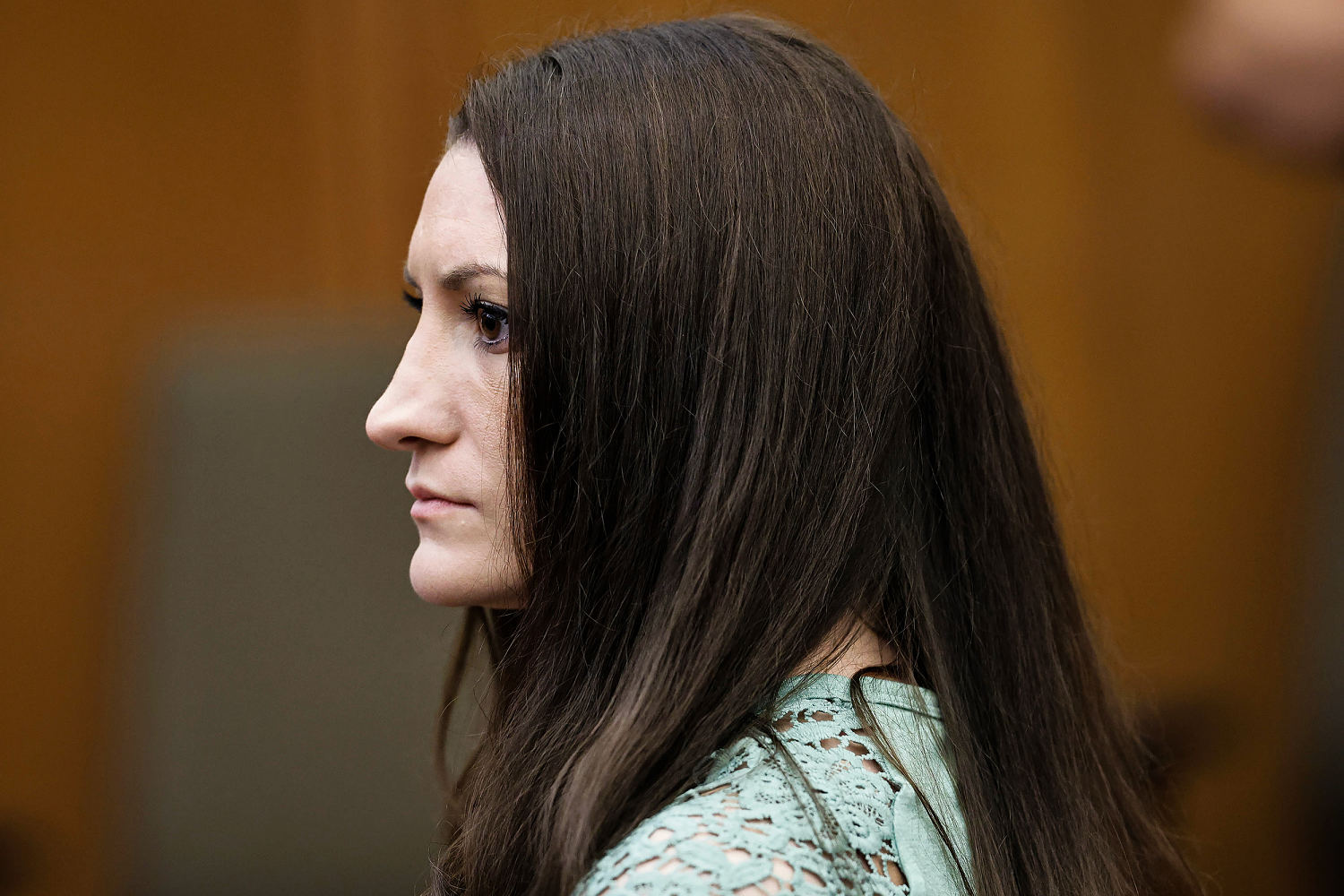
When a jury spends nearly 40 grueling hours arguing over a murder verdict, you know you're looking at a deeply fractured legal and social issue. The high-profile trial of Lindsay Clancy—the Massachusetts mother who admitted to killing her three young children in January 2023—ended in a mistrial after a deadlocked jury couldn't agree on whether she was criminally responsible.
The defense argued she was trapped in the throes of severe postpartum psychosis, heavily medicated, and utterly detached from reality. The prosecution countered that her actions were deliberate and calculated. But beyond the courtroom drama, the intense deliberations, and the ultimate mistrial, this case forces an uncomfortable conversation about how society treats mothers in deep psychological crisis.
Why the Jury Split So Hard
People want simple answers for horrific tragedies. The legal system demands them, too. Jurors were asked to decide whether Clancy understood what she was doing and whether she could conform her behavior to the law.
It wasn't a debate about who committed the acts; it was a battle over a mental state that most people cannot fathom. The jury ultimately deadlocked 11 to 1, with reports later revealing that the majority of jurors favored an insanity ruling, pointing to a severe lack of motive and the sheer weight of medical evidence detailing her heavy cocktail of psychiatric prescriptions.
When one lone juror refuses to budge, it exposes the limits of trying to force 12 strangers to agree on a medical nuance they didn't cause and can barely understand. The trial revealed a glaring truth: juries struggle immensely when psychiatric defenses intersect with violent crimes.
The Real Crisis in Postpartum Care
If you look past the courtroom headlines, the deeper story here involves a medical system that many experts argue failed to protect a struggling mother. Testimony revealed that Clancy had been prescribed numerous medications for anxiety and sleep in a very short window of time.
Postpartum psychosis is a rare, terrifying medical emergency. It is not ordinary postpartum depression. It features hallucinations, delusions, and a complete break from reality. Yet, the public and the legal system often treat mental illness as something a person should just be able to "snap out of" or manage with sheer willpower.
When a mother tells her doctor she is struggling, what happens next? Too often, it's a revolving door of trial-and-error prescriptions without adequate monitoring or inpatient support. That is the systemic failure that advocacy groups and healthcare professionals have been screaming about since this case first broke.
Where the Legal Battle Goes From Here
With the judge declaring a mistrial, the district attorney's office faces a tough choice about whether to pursue a retrial. Preparing for another trial means dragging the families, witnesses, and legal teams through months of emotional agony all over again.
Defense attorneys are already preparing for a potential fallback position, while civil suits loom against the medical and mental healthcare providers who treated Clancy prior to the tragedy.
This case isn't just a local legal spectacle. It is a stark reminder that mental healthcare in this country remains fragmented, underfunded, and poorly understood by the very institutions designed to judge those who fall through the cracks.
Pay attention to how postpartum conditions are diagnosed and treated in your own community. Advocate for better support systems before a private struggle turns into a public catastrophe.