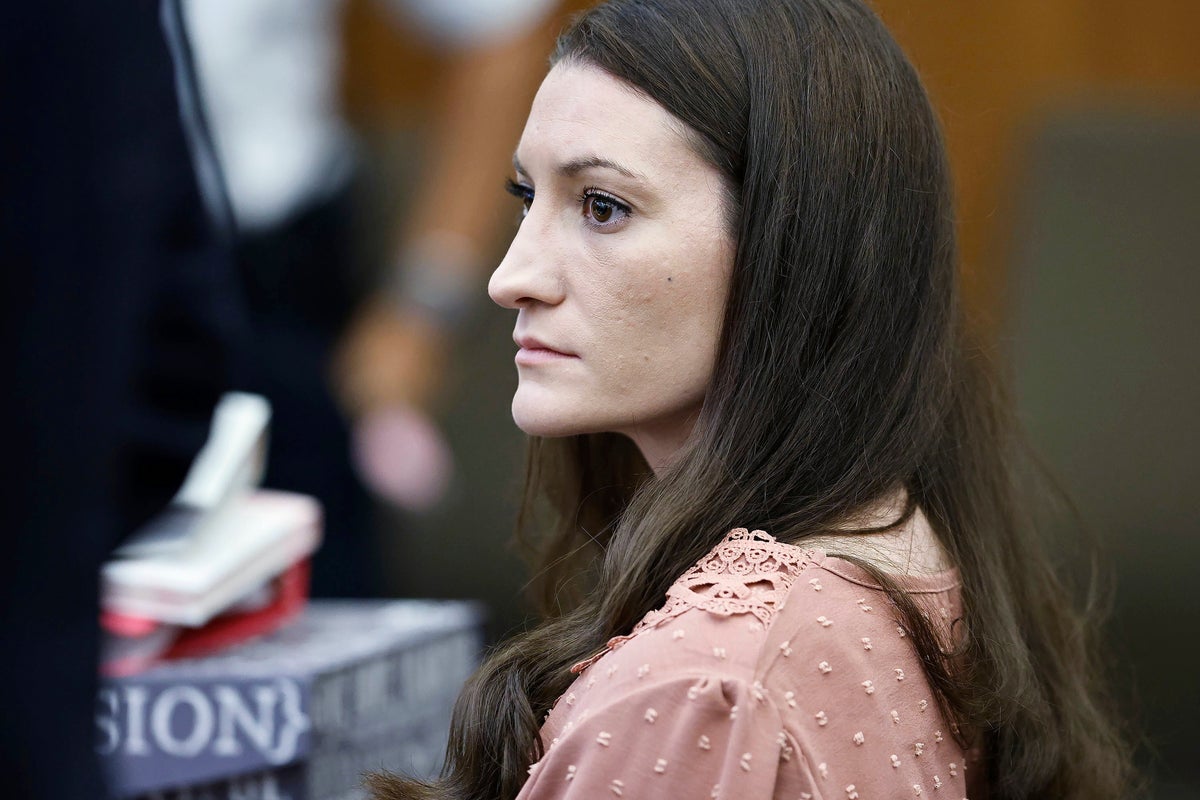
When the jury got the case, the courtroom in Massachusetts fell dead silent. You could feel the weight of it. Lindsay Clancy, a 36-year-old labor and delivery nurse, sat at the defense table in a wheelchair, paralyzed from the waist down after jumping from a second-story window on January 24, 2023. She didn't deny killing her three children—Cora, 5, Dawson, 3, and eight-month-old Callan—using exercise bands in their Duxbury home. Instead, her trial became a high-stakes legal battle over a terrifying question: Can someone be so mentally broken by postpartum psychosis that they lose all touch with reality, yet still stand trial for murder?
The trial wrapped up after weeks of emotional testimony, protests outside the courthouse, and fierce arguments dividing the public. If you followed the headlines, you probably saw the stark split. One side painted a picture of a calculated crime, while the other exposed a fractured medical system that completely failed a mother begging for help. Let's look past the noise and break down what actually happened during the proceedings, what the experts said, and why this case forces us to confront uncomfortable truths about postpartum psychiatric disorders.
The Defense Argument: Postpartum Psychosis and Lost Reality
The defense strategy rested entirely on a lack of criminal responsibility due to severe mental illness. Attorney Kevin Reddington didn't try to hide what Lindsay did. Instead, he argued she was trapped in a terrifying psychological descent caused by postpartum psychosis and bipolar disorder.
According to the defense team, Lindsay heard internal commands telling her to kill her children so she could end her own life and save them from perceived suffering. Expert witnesses testified that she was "clearly psychotic," caught in a spiral of delusional thinking where her brain completely distorted reality.
Her private diary entries painted a bleak picture of her final months. She wrote about intense anxiety, overwhelming brain fog, and an unbearable desperation for a mental break from caregiving. She checked herself into a psychiatric hospital for several days in early January 2023, just weeks before the tragedy. Her family argued that her medical care was disjointed, her medications were mishandled, and the warning signs were ignored by the very professionals paid to protect her.
The Prosecution Case: Intent and Awareness
The prosecution pushed back hard against the insanity defense. They argued that Lindsay knew exactly what she was doing and retained control over her actions.
To prove intent, prosecutors pointed to her day-to-day routines right before the killings. On the morning of January 24, she took her kids to the doctor and played with them in the snow. They emphasized that she deliberately sent her husband, Patrick Clancy, out on errands to get him out of the house. Prosecutors also questioned the severity of her psychological breakdown, noting that clinicians who treated her in the weeks leading up to the incident testified she denied having plans to harm herself or anyone else, and didn't display classic signs of active mania or psychosis.
Medical experts brought by the state acknowledged she suffered from severe depression and anxiety, but concluded she didn't cross the line into legal insanity. They argued she understood right from wrong, meaning she should be held fully accountable under the law.
The Real Crisis in Maternal Mental Health Care
Strip away the courtroom drama, and you are left with a system that fails vulnerable mothers every single day. Postpartum psychosis affects roughly one to two out of every one thousand women after childbirth. Yet, it remains deeply misunderstood by the public and often mismanaged by medical providers.
Many people ask how a mother could ever harm her children. The answer lies in the terrifying reality of psychosis. Unlike standard postpartum depression, which involves sadness and exhaustion, psychosis shatters a person's cognitive foundation. It introduces delusions, visual or auditory hallucinations, and extreme paranoia.
Lindsay's mother testified that Lindsay mentioned thoughts of harming the children a month before the tragedy. That detail sparks intense debate. Should loved ones have intervened more aggressively? Or did the medical establishment drop the ball by releasing her from psychiatric care too soon? The truth is likely a painful mix of both. Families are left unequipped to handle psychiatric emergencies, and outpatient mental health resources are often chronically underfunded and overworked.
Where the Case Stands Now
The jury's verdict carries massive implications. If they convict Lindsay of murder, she faces life in prison without the rule of parole. If they find her not guilty by reason of a lack of criminal responsibility, she will not walk free; instead, the court will order her confinement in a secure state mental health facility for ongoing treatment.
No matter the outcome, this trial leaves behind a trail of irreversible devastation. Patrick Clancy lost his entire family in a matter of minutes, yet he has publicly spoken about forgiveness and the need to reform mental health support for new parents.
If you or someone you know is struggling with overwhelming postpartum distress, depression, or thoughts of self-harm, help is available right now. You can call or text the Suicide and Crisis Lifeline at 988 to connect with free, confidential support 24 hours a day, seven days a week. Do not wait for a crisis to peak before demanding better care.