Diplomatic high wire acts rarely end with clean breakthroughs. When U.S. special envoys Steve Witkoff and Jared Kushner stepped off a plane in Kyiv after logging a three-hour, closed-door session with Russian President Vladimir Putin in Moscow, they brought home new ideas but zero guarantees.
You see, peace negotiations don't happen simply because a delegation flies across time zones. They require shared incentives. Right now, Moscow and Kyiv want entirely different outcomes, and no amount of back-channel optimism bridges that gap easily.
Behind Closed Doors in the Kremlin
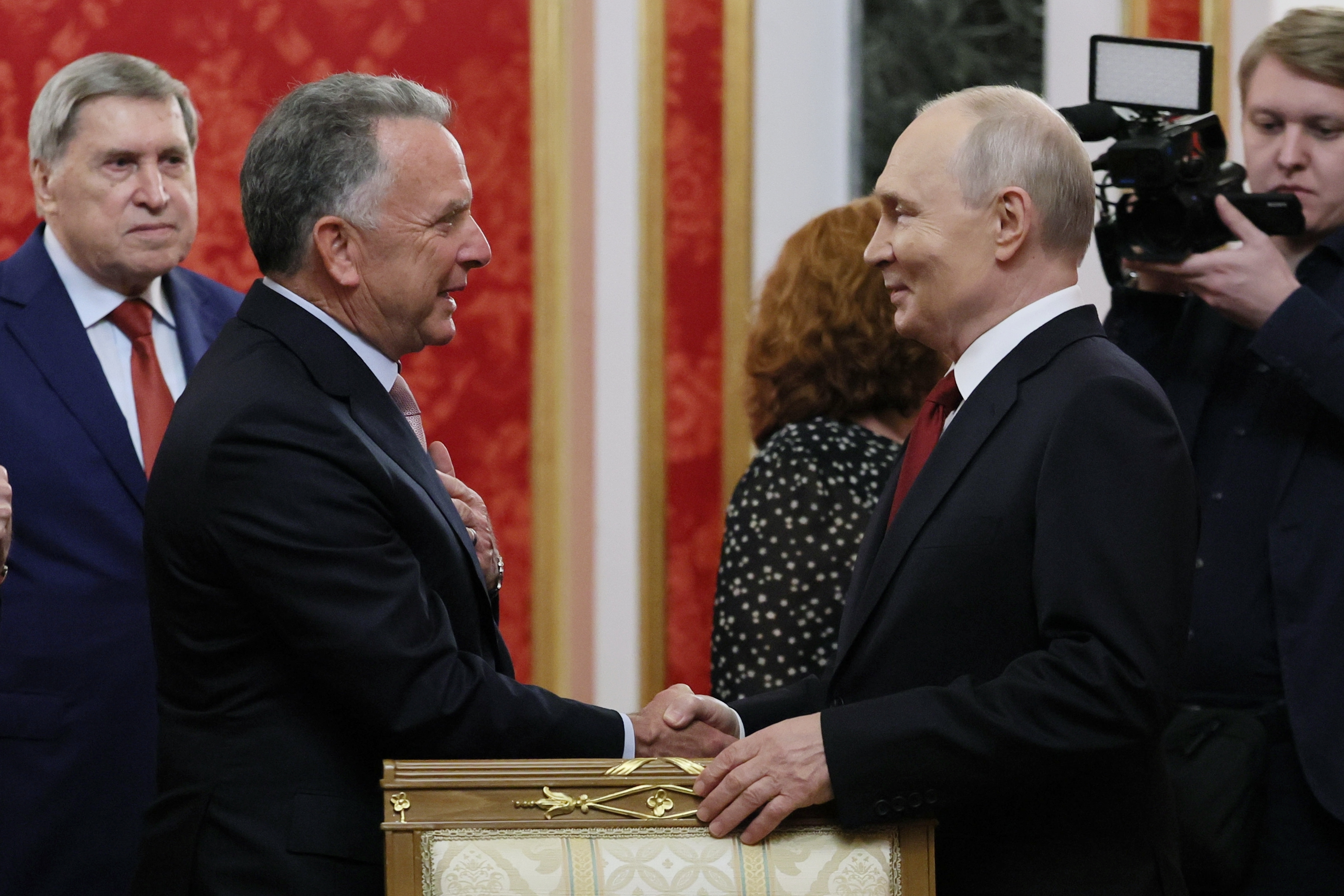
The meeting in Moscow set the tone for the entire diplomatic swing. Lasting more than three hours, the session produced no major announcements. Yuri Ushakov, Putin's foreign policy adviser, called the talks useful and frank, yet offered few specifics on the war itself.
Instead, the Kremlin used part of the time to push for economic issues and large joint projects between Russia and America. That reveals a lot about Moscow's playbook. Putin views these visits through a wide strategic lens, blending battlefield dynamics with long-term economic leverage.
Meanwhile, Witkoff and Kushner leaned into a business-style negotiation framework. They talked about a "win-win" outcome and pursued what Witkoff called a diplomatic resolution instead of a kinetic one. But running international statecraft like a corporate merger ignores deep-rooted territorial demands that neither side is willing to surrender.
The Reality on the Ground in Kyiv
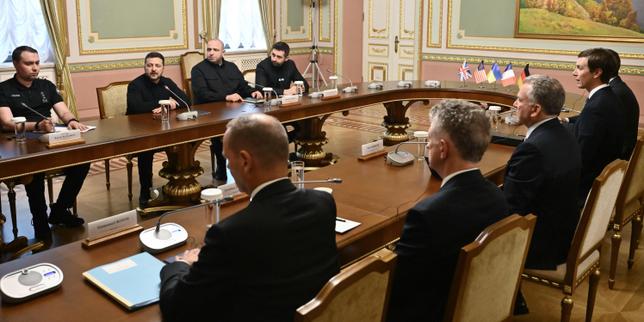
Flying onward to Ukraine, the American envoys met with President Volodymyr Zelenskyy alongside national security advisers from Britain, France, and Germany. Zelenskyy stated that Kyiv is ready for constructive dialogue, pointing to urgent needs for air defense, security guarantees, and a winter support package.
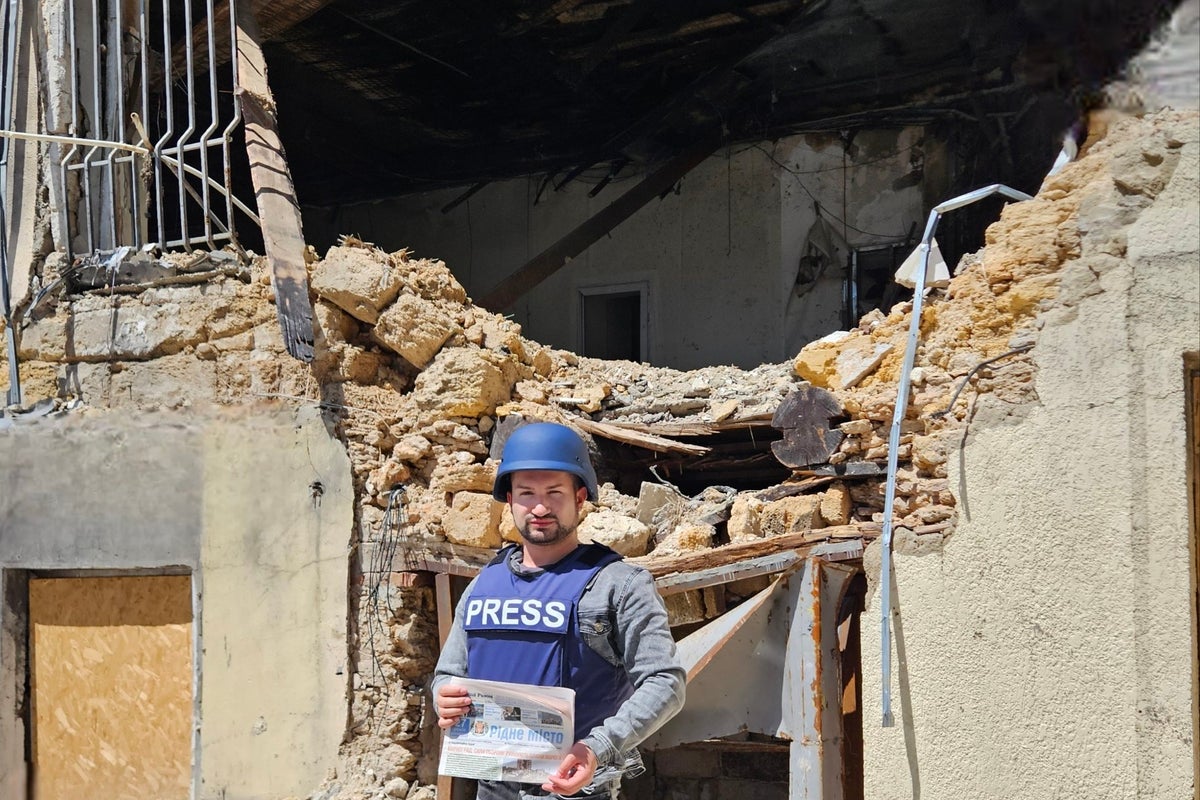
Yet the air war didn't pause for diplomacy. While a temporary local understanding quieted strikes on capitals briefly for the meetings, drones and missiles continued slamming into regional targets. Overnight into Sunday, Ukrainian air defenses intercepted dozens of incoming drones, while Russian authorities reported heavy drone activity over multiple regions.
When you look at families attending morning moments of silence for fallen soldiers in Kyiv squares, the human cost starkly contrasts with the high-level rhetoric of dealmakers. The urgency on the ground is absolute, but the diplomatic machinery moves at a frustratingly slow crawl.
What Comes Next for the Peace Push
Washington is trying to revive trilateral formats that haven't functioned smoothly in months, distracted for a long stretch by crises elsewhere in the world. But wanting a durable peace framework doesn't make it materialize.
If you expect a quick fix from these shuttle missions, you're missing the core friction. The U.S. envoys are hunting for common ground, but Putin's strategic goals remain fixed on reshaping regional power dynamics. Until those fundamental ambitions shift, expect more high-profile visits, more closed-door friction, and very little actual resolution.
Keep an eye on whether trilateral talks actually resume or if this latest diplomatic push fades into another cycle of stalled momentum.