The headlines coming out of the Middle East right now are messy. They span from persistent violence in Gaza to diplomatic clashes over ceasefire monitoring centers and energy pivots involving Russia and Iran. If you are trying to keep track of how these shifting pieces connect, you aren't alone. Let's break down what's actually happening on the ground and why these updates matter.
The Gaza Strip and West Bank Violence
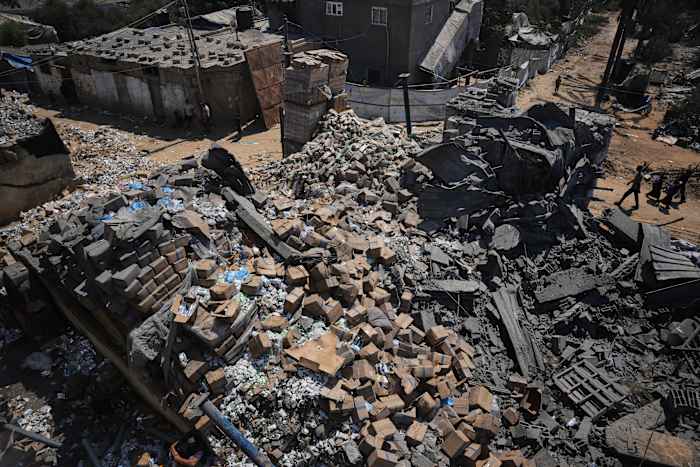
Fresh Israeli strikes across Gaza recently killed five people, underscoring how fragile the ongoing ceasefire remains. Nasser Hospital officials confirmed that a strike outside Khan Younis killed two brothers and another relative, while separate strikes in Gaza City claimed two more lives.
These deaths push the reported toll past 1,300 Palestinians killed in airstrikes since the October ceasefire framework was introduced. While high-intensity combat has largely shifted, localized strikes continue to puncture the peace.
At the same time, violence has ticked upward in the West Bank. An Israeli military airstrike in Jenin killed three individuals, including a target identified as a Hamas operative. The Palestinian Ministry of Health confirmed the casualties, drawing fierce condemnation from Hamas. The reality is simple: localized operations continue to disrupt any sense of true stability.
Diplomatic Tensions at the Ceasefire Center
Diplomacy is fracturing as fast as security. The United Kingdom recently issued a stark warning against any Israeli attempt to remove British officials from the Gaza ceasefire coordination center. Reports surfaced that Israel was weighing the expulsion of U.K. and other European personnel from the monitoring hub.
This friction follows tangible diplomatic expulsions. The Dutch Foreign Ministry announced that Israel was removing two Dutch diplomats from the coordination center. Israeli Foreign Minister Gideon Saar defended the move, stating it directly responded to Dutch restrictions on West Bank trade and broader anti-Israel measures.
The U.K. government insists it remains committed to the 20-point Gaza peace plan, arguing that removing international monitors will only undermine shared stabilization efforts. Yet, Israel continues to push back against nations it views as implementing hostile economic or political policies.
Regional Energy Shifts and Shipping Crises
Beyond the immediate Gaza and West Bank flashpoints, wider geopolitical maneuvering is reshaping the regional economy. Iran has been actively touting a new energy arrangement with Russia, working to offset Western economic pressures and isolation. Meanwhile, the broader conflict involving Iran has left thousands of seafarers stranded in the Persian Gulf.
According to the United Nations maritime agency, dozens of attacks on international shipping have occurred since the conflict escalated. Approximately 6,500 sailors remain stranded on ships unable to safely clear the region, disrupting global supply chains that rely on the vital commercial waterway.
At the same time, diplomatic signals remain mixed. Iranian President Masoud Pezeshkian recently noted that neither Tehran nor Washington can achieve total victory through maximum pressure, suggesting that negotiations are eventually necessary. However, domestic hard-liners inside Iran continue to push back against compromises, keeping tensions high.
What to Watch Next
Keep an eye on how international monitoring teams respond to Israeli pressure. If more European diplomats are expelled from the Gaza coordination center, multilateral oversight will effectively collapse.
Monitor shipping lane updates in the Persian Gulf. Any further disruption to maritime traffic will immediately ripple through global energy markets. Stay tuned to primary regional sources rather than generalized summaries to track these developments accurately.


