Elections are complicated enough without the White House trying to overhaul postal rules weeks before ballots hit mailboxes. When a federal judge stepped in to block President Donald Trump's sweeping mail-in voting executive order, it wasn't just another legal headline. It was a lifeline for millions of voters.
U.S. District Judge Indira Talwani issued a preliminary injunction halting the U.S. Postal Service from carrying out the administration's new voting restrictions. If you've been tracking how election rules shift beneath your feet, this latest twist matters immensely.
The Core Conflict Behind the Mail Ballot Order
Trump signed an executive order aiming to limit mail voting by forcing the Postal Service to establish restrictive lists and new verification requirements. Critics and state officials argued from day one that the executive branch has zero constitutional authority to dictate how states manage elections. The U.S. Constitution leaves election administration squarely to the states and Congress.
Judge Talwani agreed, ruling that the postal service's final rule clashes with existing statutory frameworks. But beyond the constitutional arguments lies a hard logistical reality.
States print and mail millions of ballots on strict statutory schedules. North Carolina already started sending out its first batch of mail ballots for the upcoming midterm elections. Trying to implement an entirely new federal bureaucracy and untested technology at the eleventh hour is a recipe for chaos.
Why Timing Makes This Ruling Critical
Courts often weigh the practical harm of blocking a policy against the harm of letting it go forward. In this case, the math favored the plaintiffs.
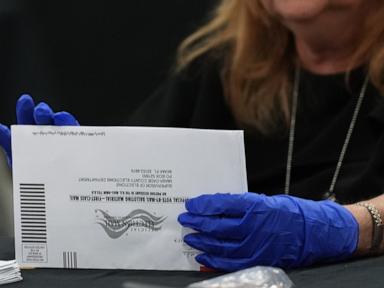
Nearly one-third of American voters cast their ballots by mail. Introducing sweeping postal hurdles right as voting gets underway guarantees widespread voter disenfranchisement. Older adults, military members stationed overseas, and voters with disabilities rely heavily on mail-in ballots. Disrupting that system right before election day creates systemic failure.
Whistleblowers inside the postal agency even warned of catastrophic administrative problems if leadership forced the agency to execute the order without proper preparation or available technology.
What Happens Next in the Courts
This legal fight is far from over. The Trump administration has already signaled an immediate appeal to the U.S. 1st Circuit Court of Appeals and is pushing the Supreme Court to intervene.
Earlier in the legal cycle, the Supreme Court's conservative majority temporarily lifted a lower court block, noting that lawsuits filed before the postal service finalized its specific rules were premature. Now that the rule is finalized and new lawsuits have been refiled, the justices will likely have to take another look.
For now, the preliminary injunction stands. Election officials can proceed without scrambling to adopt unvetted postal mandates. Check your state's National Association of Secretaries of State portal or local election board resources to track how your area manages election logistics. Stay informed, verify your information through authorized USA.gov election channels, and plan your voting strategy early.
This video provides an overview of how mail-in voting is administered across different states and the logistical processes involved.