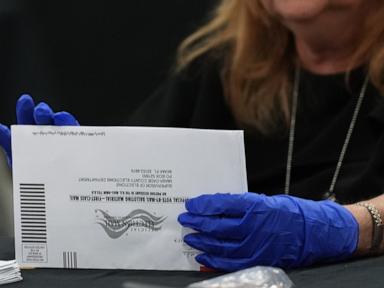
Courts and the White House are once again locked in a fierce procedural standoff over how Americans cast their votes. A federal judge just hit the brakes on a controversial executive order targeting mail-in ballots, throwing election administration into chaos just as states begin sending out the first packets to voters.
If you are trying to figure out how these sweeping administrative changes affect upcoming voting rules, you aren't alone. The legal chess match playing out in federal courts directly impacts nearly one-third of the country that relies on postal voting. Let's break down what's actually happening behind the headlines, why the courts keep bouncing these cases back and forth, and what it means for the midterm elections.
Inside the Legal Ping-Pong Match
The core of the dispute centers on an executive order issued by President Donald Trump. The directive aims to place strict limits and new requirements on mail-in voting, forcing state election offices to coordinate directly with the U.S. Postal Service through specialized portals and data-sharing agreements before ballots can be delivered.
Opponents, including various states and voting rights organizations, immediately rushed to court. They argue that the executive branch lacks the constitutional authority to alter election procedures. According to constitutional guidelines, states and Congress hold the authority to regulate elections—not the president or postal agencies.
U.S. District Court Judge Indira Talwani initially froze the order, agreeing that local systems would face insurmountable administrative hurdles. However, the legal landscape shifted dramatically when the Supreme Court stepped in, overturning an earlier block on grounds that the original challenges were filed prematurely before formal rules were published.
Sensing the procedural opening, the administration pushed forward official postal rules. Plaintiffs quickly refiled their lawsuits, prompting Judge Talwani to issue a fresh preliminary injunction halting the implementation once again. The administration has already signaled that it will appeal this latest roadblock to the U.S. Court of Appeals for the First Circuit, setting up yet another potential emergency sprint to the Supreme Court.
Why Election Officials Are Panicking
Time is the ultimate enemy here. Election administration requires months of meticulous planning, software updates, security testing, and ballot printing.
Local officials across the political spectrum have pointed out a brutal reality: changing postal delivery rules and envelope formats at the eleventh hour is a logistical nightmare. In her written opinions, Judge Talwani highlighted that state governments simply lack the time and funding to redesign ballots, train staff on new federal data portals, and upload citizen databases on such short notice.
With states like North Carolina already beginning the process of dispatching mail ballots to voters, any sudden shifts in delivery mandates risk severe confusion. If the postal service refuses to deliver ballots that do not meet new formatting or registry criteria, thousands of valid votes could get trapped in bureaucratic limbo.
The Bigger Picture on Postal Voting
The tension over mail-in ballots is far from new. Ever since the 2020 election cycle, mail voting has remained a primary political flashpoint. Critics of the practice often raise unsubstantiated concerns regarding security, while empirical data from independent research groups—such as a comprehensive Brookings Institution study—shows that actual mail voting fraud remains vanishingly rare, occurring in only a tiny fraction of cases.
Despite the statistical rarity of widespread fraud, the political motivation to reshape voting channels remains high. Executive actions and subsequent countermeasures continue to test the boundaries of federal power versus state sovereignty.
As appellate courts review the latest injunction, voters caught in the middle should keep a close eye on updates from their regional authorities. Check official government portals and state election boards for verified, up-to-date guidance on local election management.
For more details on this ongoing court battle, you can watch ABC News Coverage of Mail Ballots. This video breaks down the judicial decisions impacting the upcoming midterm elections.


