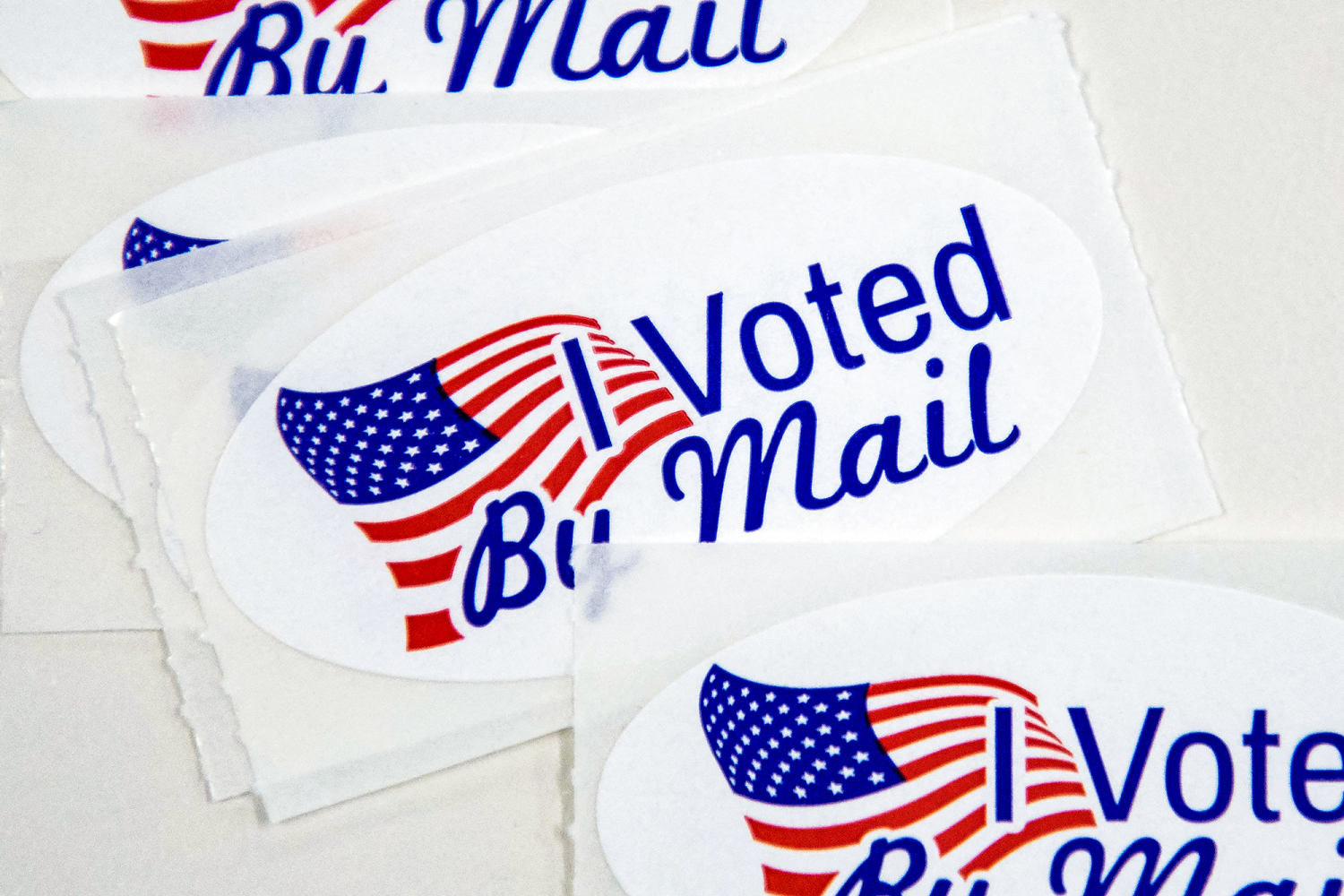
Federal courts are stepping in again to halt sudden procedural overhauls for mail-in voting. U.S. District Judge Indira Talwani issued a preliminary injunction in Boston, blocking the U.S. Postal Service from enforcing sweeping new envelope and tracking mandates meant to reshape absentee balloting for the November midterms. If you depend on casting your ballot from home, this legal showdown directly impacts whether your vote counts.
The administration wanted to force states into using a complicated new postal infrastructure featuring specialized barcodes and strict upload portals. But states pointed out that completely redesigning ballots and training local election workers with only weeks to spare was practically impossible. Judge Talwani agreed, writing that forcing these rules onto local election boards right now makes widespread voter disenfranchisement basically inevitable.
Why the Postal Service Rule Sparked Chaos
The underlying dispute traces back to an executive order aimed at tightening mail-in voting requirements. Critics and state officials argued that the Postal Service overstepped its constitutional boundaries. The agency has no business regulating election administration or deciding how local jurisdictions process ballots.
Let's look at the operational reality. Local officials manage millions of paper envelopes, signature verifications, and strict collection deadlines. Adding an untested federal portal into that mix right as states start mailing out live ballots creates a logistical nightmare. North Carolina already began sending out its initial batch of mail ballots, and other states follow close behind. Introducing brand-new mailing requirements mid-stream would guarantee confusion for voters and election workers alike.
The Legal Battle Moves to Appeal Courts
The administration argues that these changes are modest informational steps rather than an illegal takeover of local elections. Solicitors general rushed to appeal the initial temporary block, even taking portions of the dispute up to the Supreme Court. While the high court previously cleared procedural hurdles in a separate executive order challenge, this latest Boston ruling focuses strictly on the immediate damage the postal rule would cause to the upcoming midterm contests.
Judge Talwani denied a Justice Department request to stay her order pending appeal. That means the preliminary injunction stands for now, leaving states free to administer their elections under traditional guidelines without facing unexpected postal rejections.
What This Means for Your Ballot
If you plan to vote by mail this November, you don't need to panic about sudden barcode rejections or mysterious new online portals just yet. States retain their authority over mail-in voting procedures for this election cycle.
If you want to track your state's voting procedures and official guidelines, check resources like the USA.gov Voting and Elections Portal.
Watch out for changing deadlines, double-check your local drop-off options, and mail your ballot back as early as humanly possible.
Judge temporarily blocks USPS from enforcing Trump's mail-in
This video provides an explanation of the federal court's decision to temporarily block the new U.S. Postal Service mail-in voting restrictions.
http://googleusercontent.com/youtube_content/1