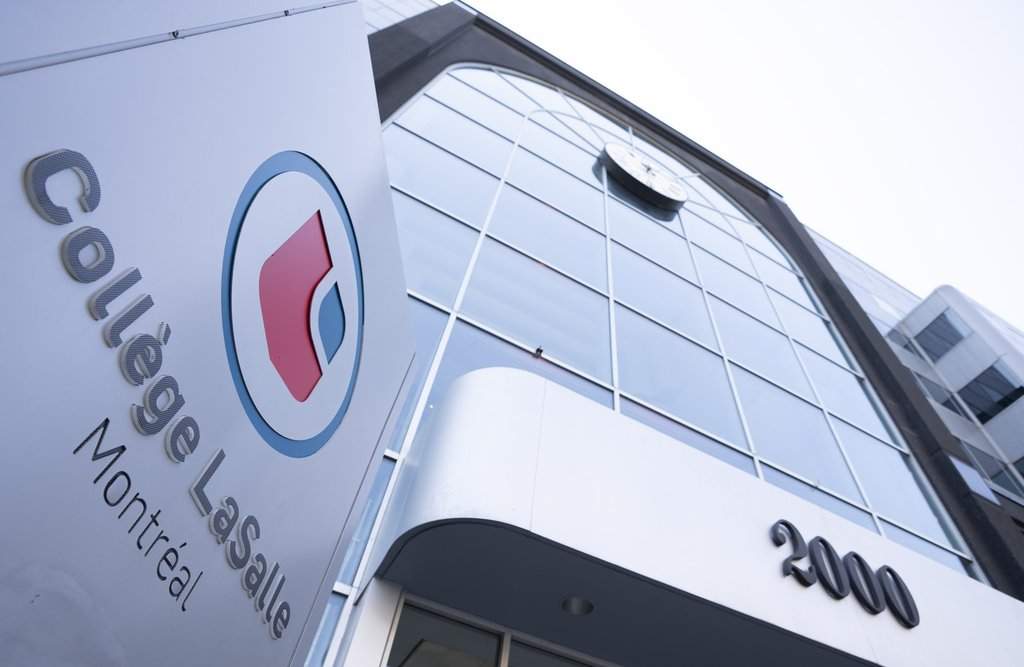
Instead of walking into lecture halls on the first day of the fall semester, students and staff found themselves standing outside locked doors. Lasalle College sits at the center of a massive financial collapse, having filed for bankruptcy protection after racking up nearly $48 million in liabilities owed to the Quebec government.
If you're wondering how a 67-year-old educational institution ends up shuttered overnight, you're not alone. The short answer is a toxic mix of sudden legislative changes, enrollment quota penalties, and a high-stakes financial standoff between private administration and provincial authorities. But the fallout goes far beyond one campus in Montreal. It exposes just how fragile private higher education can be when policy shifts collide with institutional balance sheets.
What Triggered the Bankruptcy Crisis
College director general Claude Marchand didn't mince words when pointing fingers. The financial crisis stems directly from penalties tied to Quebec's Bill 96. The legislation introduced strict caps on English-language program enrollment, aiming to protect French proficiency in the province.
The core disagreement boils down to a lack of a transition period. When the rules changed, Lasalle College had students already mid-stream in three-year programs. According to the administration, stopping these students or cutting them off mid-degree wasn't feasible. The college kept them enrolled to let them finish their credentials.
The province saw it differently. Government auditors ruled that the institution repeatedly blew past its enrollment quotas for English-language programs during the 2023-24 academic year and the term that followed. That over-enrollment triggered a staggering $30 million fine. Stack that penalty on top of $18 million in what the government claims are overpaid subsidies, and you get a crushing $48 million debt load that forced the administration to seek court protection.
Students and Staff Caught in the Crossfire
Protests outside the shuttered campus featured raw emotion from people whose lives are currently on hold. Vitoria Garcia Pinheiro moved all the way from Brazil to study in Montreal, investing significant savings into her tuition and living expenses. Now, she faces the terrifying prospect of losing both her money and her academic momentum.
Faculty members feel equally blindsided. Yolande Nesseth, a veteran instructor who taught at the college for 42 years, watched decades of academic history stall out over bureaucratic warfare. When institutions fail, the collateral damage always hits the tuition-paying students and the hourly or salaried staff who had zero say in the financial mismanagement or policy violations.
Dominique Goulet, another student leader at the protest, put it bluntly. They rallied because they felt completely forgotten in the closed-door negotiations between lawyers, judges, and government ministries.
The Broader Reality for Private Colleges
What's happening at Lasalle College isn't an isolated incident. Across Canada, post-secondary institutions are grappling with shifting international student caps, tighter provincial funding models, and strict language laws. When schools rely heavily on tuition revenue from specific demographic pipelines—especially international enrollments—any sudden regulatory shockwave can punch a hole straight through their operating budget.
The Quebec government appointed an independent controller to oversee the bankruptcy file, and court dates keep pushing the legal battle forward. Yet, legal proceedings don't solve the immediate problem of a lost semester for thousands of enrolled learners.
If you are a student currently enrolled in a private college or an institution facing regulatory pressure, waiting passively for administration updates is a losing strategy. Keep your course syllabi, track every tuition receipt, and monitor credit transfer options at public universities nearby just in case the worst-case scenario becomes permanent. Protect your own academic record before trusting that corporate solvency will save your diploma.