Two air traffic controllers clocked out an hour early on the night a regional jet smashed into a rescue vehicle. That single detail exploded across headlines, painting a neat picture of workplace slacking right before a catastrophe. But if you stop there, you miss the systemic rot eating away at American aviation infrastructure.
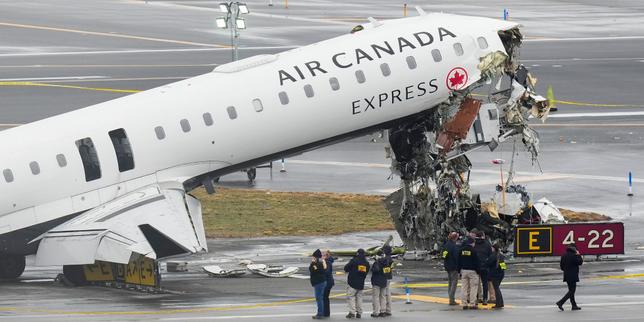
On March 22, LaGuardia Airport was a disaster waiting to happen. Severe thunderstorms had wreaked havoc on schedules, pushing traffic volumes to more than double the normal midnight load. An Air Canada Express flight was coming in for a landing, and a Port Authority fire truck was cleared to cross the exact same path. Two pilots died in the ensuing wreckage, while dozens of passengers and crew members suffered severe injuries.
Now, the Federal Aviation Administration is moving to fire the two controllers who left early, labeling the habit as timecard fraud. Industry insiders call it an "early shove". It is an open secret across control towers nationwide—an informal perk where exhausted staff head home early after gruelling shifts if traffic allows. Pinning a fatal collision on an unverified cultural practice feels convenient, yet it distracts from the glaring technical and procedural failures that actually caused the crash.
The Danger of Overworked Towers and Missing Technology
Let's look at what actually transpired on the ground. When the two controllers left early, they stripped away backup support. The remaining two controllers were left holding the bag during a chaotic weather event. Sure, standard midnight staffing often sits at just two people, but standard rules evaporate when traffic doubles.
Communication breakdowns compounded the chaos. A controller cleared the emergency fire truck across the runway, only to realize seconds later that an incoming jet was bearing down. The frantic warning shouted over the radio—"stop, stop, stop"—fell flat because the driver inside the emergency vehicle had no idea who the transmission was meant for.
Worse yet, the fire truck lacked a transponder. Modern safety tech should automatically signal to air traffic controllers when a vehicle and an aircraft occupy conflicting coordinates. Without that automated safety net, the entire operation relied on human perfection during a midnight storm. Human perfection is a terrible safety strategy.
Untangling the Culture of Early Departures
Management complicity sits at the heart of this mess. You cannot normalize a practice for years, look the other way after grueling shifts, and then act shocked when employees take you up on it. Former controllers have pointed out an obvious truth: supervisors were sitting right there on duty. Where was the oversight?
Blaming individual workers for an institutional failure makes for great political theater, but it doesn't fix a broken airspace system. The FAA currently operates under severe staffing constraints, boasting roughly 11,000 fully certified controllers while trying to manage an increasingly congested sky. When burnout runs high and hiring lags, shortcuts become inevitable. Punishing a couple of employees doesn't add transponders to emergency trucks, and it doesn't solve the communication gaps between ground vehicles and tower cabs.
What Needs to Change Right Now
If the aviation industry wants to prevent another tragedy like the one at LaGuardia, administrative crackdowns on timecards won't cut it. Real safety requires structural overhauls.
- Mandatory Transponders: Every single ground vehicle operating on active runways must feature active transponders that feed directly into digital surface awareness systems.
- Clear Radio Protocols: Emergency communication channels need strict identification rules so that a warning meant for a specific driver cannot be misunderstood or ignored.
- Strict Staffing Enforcement: Facilities must abandon informal shift-shaving agreements entirely, replacing them with realistic staffing models that account for weather surges and traffic spikes without burning out personnel.
Ignoring these operational realities guarantees that the next major runway incident is only a matter of time.