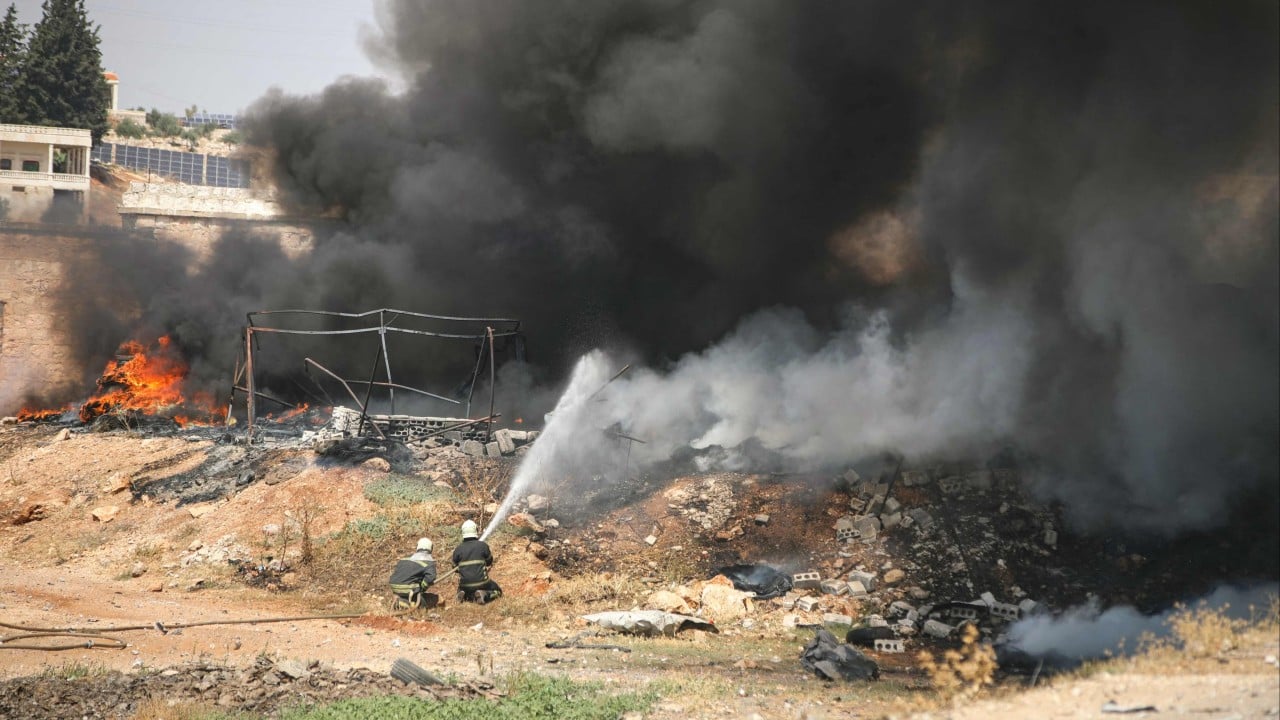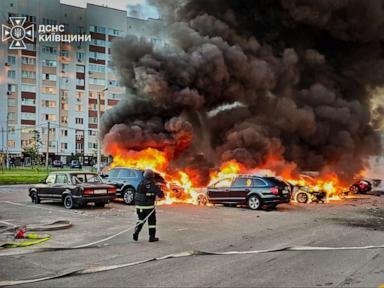
Air raid sirens wail across the Ukrainian capital for the second consecutive night, and it's not just background noise anymore. It's the grim reality of an escalating aerial campaign where residential blocks take direct hits from incoming ordnance. When you watch the footage of apartment complexes burning in the Kyiv region, you realize the strategy has shifted from purely military targets to grinding civilian infrastructure down to dust.
The Reality on the Ground in Kyiv
Residents aren't sleeping. You can't sleep when the constant buzzing of Iranian-designed Shahed drones fills the night sky, sounding like flying lawnmowers before turning into deafening explosions. Ukrainian air defense forces are working overtime, tracking dozens of incoming vectors across multiple oblasts simultaneously, but the sheer volume of these saturation attacks means some slip through the net.
Let's look at what's actually happening during these strikes. Officials report structural fires breaking out across multiple districts, shattered windows stretching for blocks, and emergency crews pulling civilians from smoke-filled stairwells long after midnight. It's chaotic. It's terrifying. And honestly, it's exhausting for a population that has endured years of this war.
Why The Strategy Changed
Moscow isn't just targeting power grids right now; they are aiming for urban density. Hitting multi-story residential apartments serves a specific psychological function. Terror is the point. By making everyday living impossible in the capital region, the pressure mounts on both the civilian population and the government leadership.
Air defense commanders face an impossible math problem every single night. When waves of inexpensive loitering munitions approach from different compass points, intercepting every single one drains expensive missile inventories at an unsustainable rate. Western-supplied systems like Patriot and NASAMS are phenomenal at what they do, but nobody built them to swat away hundreds of cheap prop-driven drones indefinitely.
What This Means For The Months Ahead
The humanitarian toll keeps climbing. Every apartment building hit means dozens of families suddenly searching for temporary housing in the middle of winter or unpredictable spring weather. Local authorities scramble to set up heating points and distribute emergency glazing materials to patch up shattered windows before the next freeze sets in.
If you're watching from afar, it's easy to view these updates as routine war statistics. They aren't. They represent real neighborhoods, local cafes, and ordinary people trying to live normal lives under abnormal conditions. The resilience of the local population remains high, but everyone knows the upcoming weeks will test the limits of what civil defense systems can handle.
Check your local emergency notifications, support verified humanitarian funds working directly inside Ukraine, and pay attention to the human stories behind the headlines rather than just the casualty counts.