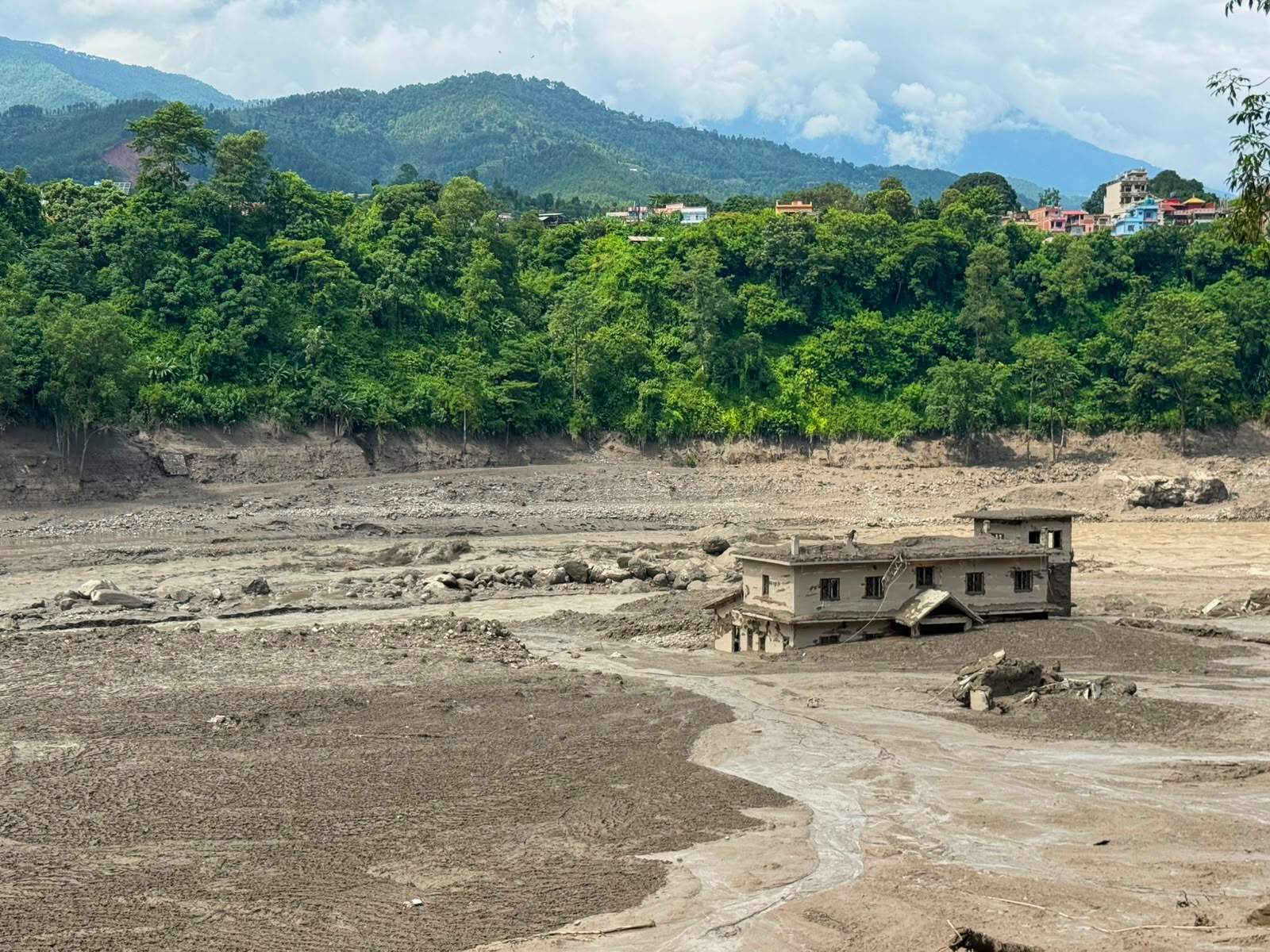
Ten residents from Toronto are among the missing after catastrophic flash flooding and mudslides struck the Nepal-China border region. A spiritual non-profit confirmed the distressing update as the total death toll from the disaster climbs past five hundred, leaving communities reeling from the scale of destruction.
According to representatives from the Isha Foundation, the group of ten Torontonians arrived at the Chinese Immigration Centre minutes before disaster struck. They reached the border checkpoint at 9:05 a.m. local time on the day the floods hit. Contact was lost immediately afterward. Global Affairs Canada has stated that at least thirty Canadians are unaccounted for in the region, catching families and local communities off guard.
Disasters of this magnitude raise immediate questions for families back home. People want to know what caused the sudden torrent, why so many travelers were trapped, and what consular officials are doing right now. The reality on the ground is messy, communication lines are strained, and rescue teams face monumental hurdles.
Understanding the Himalayan Flash Flood
The catastrophe wasn't a standard monsoon flood. It stemmed from a sudden glacial collapse high in the Himalayas near the Nepal and Tibet border.
The U.S. Geological Survey initially registered a 5.2 seismic event in the area. Experts quickly determined the signal wasn't a traditional tectonic earthquake. Instead, a massive hanging glacier fractured and plummeted down the steep rock face.
When millions of tons of ice slam into mountain waterways, physics takes over. Kent Moore, a professor of atmospheric physics at the University of Toronto, points out that the sheer kinetic energy turns falling ice into an unstoppable downstream sledgehammer.
Climate pressures are driving these risks higher. Hanging glaciers rely on freezing adhesion to steep rock slopes. As high-altitude temperatures climb, that adhesion weakens. Avalanches and sudden ice collapses become much more common. Trekkers and pilgrims often walk right into these high-risk zones without realizing how unstable the overhead terrain has become.
The Scale of the Crisis and the Search Effort
Hundreds of people remain missing across the region, including local residents, foreign workers, and travelers making sacred pilgrimages. China's state media reported hundreds of missing individuals on the Chinese side alone, while overall figures suggest more than fifteen hundred people are unaccounted for across the wider impact zone.
Search and rescue operations face brutal conditions. Mudslides have wiped out mountain roads, severed bridges, and knocked out local communication networks. Helicopters struggle to fly through heavy cloud cover and unstable weather patterns in the narrow river valleys.
For families in the Greater Toronto Area waiting for news, the hours drag on in agonizing uncertainty. Global Affairs Canada is working alongside local authorities and non-governmental organizations to track down missing citizens. However, remote terrain means verification takes days instead of hours.
What Travelers and Families Can Do Now
If you have family members traveling in high-risk alpine regions like the Himalayas, panic helps no one. Clear steps can make a real difference when communication lines go dark.
- Check Registration: Ensure your loved ones are registered with the Registration of Canadians Abroad service before they travel. This gives consular staff a baseline when emergencies strike.
- Contact Global Affairs: If you cannot reach someone in Nepal, contact the Government of Canada’s emergency watch center directly via email or phone to file an official tracing request.
- Monitor Official Advisories: Avoid relying solely on fragmented social media reports. Stick to official updates from consular services and verified on-the-ground rescue organizations.
The disaster in Nepal serves as a stark reminder of how fragile high-altitude infrastructure can be when nature shifts violently. Recovery efforts will take weeks, and the search for the missing Torontonians remains active.


