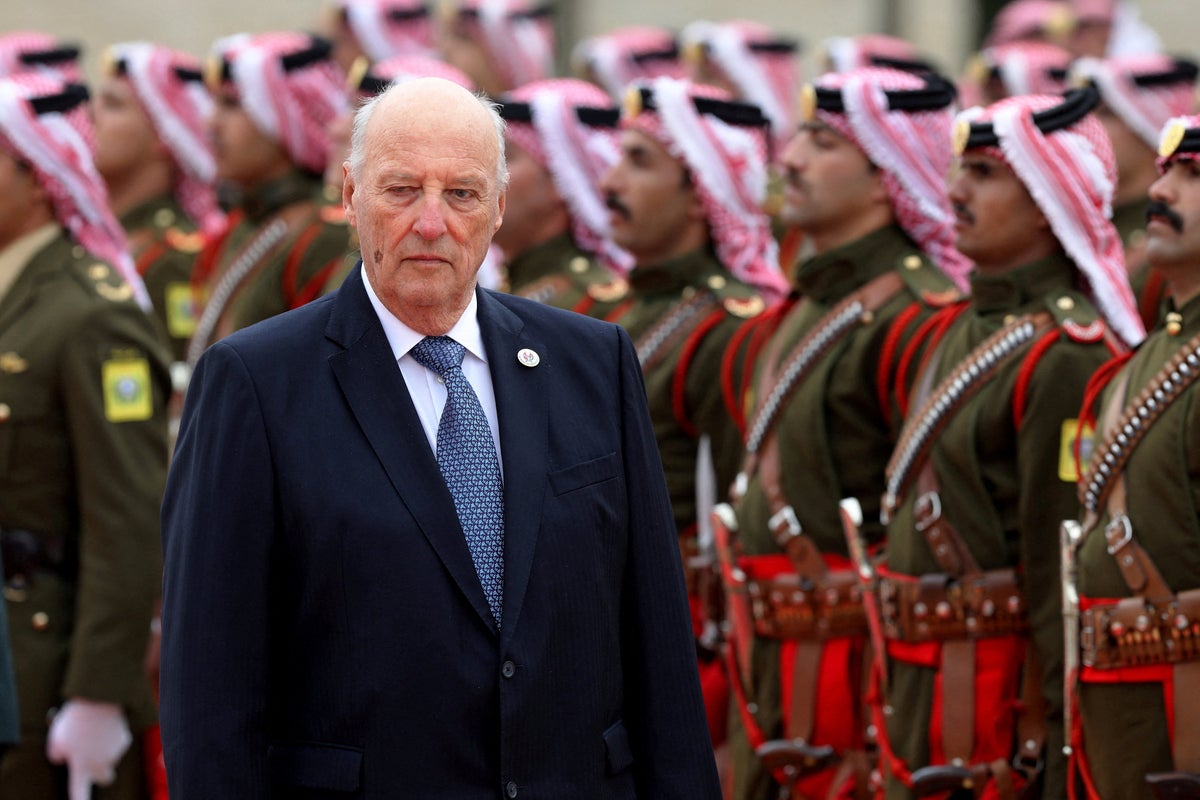
Royalty usually survives by staying invisible, but King Harald V of Norway did something completely different. He didn't hide behind stone walls or pretend to be untouched by ordinary human struggles. When you look at how European monarchies manage to stay relevant while others crash and burn, Harald stands out. He spent over three decades steering Norway's royal house through massive cultural shifts without losing public affection. Most people outside Scandinavia only notice him when a health scare hits the news cycle, missing how he quietly redesigned what a modern king should actually do.
He took the throne in 1991 when his father, King Olav V, passed away. That transition happened during a time when traditional institutions across the globe faced intense skepticism. Harald didn't panic or double down on outdated pomp. Instead, he leaned into humility. He wasn't born with a guarantee that Norway would even keep its monarchy. His early life read like a survival thriller rather than a royal fairy tale.
Escaping War and Finding Normalcy
During World War II, Nazi Germany invaded Norway. The royal family split up to survive. Young Harald and his mother spent years living as refugees in Sweden before relocating to the United States. Growing up in exile shapes a person. Later, when he returned home, he insisted on attending ordinary public schools instead of being isolated in a private palace bubble. That choice changed everything.
He mingled with regular kids. He rode public transport. He learned how everyday Norwegians lived long before he ever wore the crown. That firsthand experience bled into his leadership style later in life.
The Sailor King Who Competed Against the World
You cannot understand Harald without talking about the ocean. He loved sailing with a passion that went far beyond casual recreation. He represented Norway in the Olympic Games multiple times, competing in Tokyo and Mexico City. He also won world championship medals in offshore sailing.
Athletes respect grit, and Harald earned that respect the hard way. He didn't get special treatment on the water. When his boat hit rough weather, he dealt with the same spray and exhaustion as every other competitor. That athletic discipline translated directly into his constitutional duties. He stayed steady when political storms hit Oslo.
Breaking Tradition for Love
The biggest test of Harald's character happened long before he became king. He fell in love with Sonja Haraldsen, a commoner. Back in the mid-twentieth century, royal protocol treated marrying outside the aristocracy as an absolute crisis.
Harald faced a brutal choice. He could abandon Sonja and marry a compliant princess to satisfy court advisers, or he could give up his right to the throne. He stood his ground for nearly a decade, refusing to marry anyone else. The political establishment eventually backed down because Harald simply refused to yield.
That marriage turned out to be the ultimate asset for the Norwegian crown. Queen Sonja brought a deep appreciation for art, culture, and social welfare that grounded the royal family. Looking back, letting Harald marry for love saved the monarchy from looking hopelessly out of touch.
Redefining Royal Duty for the Twenty-First Century
Monarchs often struggle to address modern social issues without sounding awkward or preachy. Harald bypassed that trap by focusing on empathy and inclusion. When Europe debated immigration and diversity, Harald delivered a famous speech in 2016 at the royal palace gardens that went viral globally.
He stated plainly that Norwegians come from all regions, religions, and backgrounds. He declared that Norwegians are girls who love girls, boys who love boys, and girls who love boys. He said Norwegians believe in God, Allah, and nothing at all.
That wasn't standard royal boilerplate. It was a direct, unapologetic embrace of a pluralistic society. Politicians rarely speak with that kind of moral clarity because they fear losing votes. Kings don't have to worry about election cycles, and Harald used that unique freedom to unify a fractured cultural debate.
Facing Health Crises and Succession Realities
Aging brings physical friction, and Harald's later years tested his stamina. Frequent hospitalizations for infections and heart procedures sparked constant media speculation about his health and a potential abdication.
Unlike Queen Margrethe of Denmark, who stepped down voluntarily, Harald chose to stay on the job. He viewed his oath as a lifetime commitment. Yet, he handled the transition gracefully by gradually handing over daily administrative duties to Crown Prince Haakon.
Haakon has spent decades preparing for this exact role. He shares his father's grounded temperament and progressive outlook. The Norwegian public trusts Haakon because the handover has been transparent and smooth.
What Other Institutions Can Learn From Harald
Most organizations fail because they cling to rigid traditions while the world changes around them. Harald proved that longevity requires deep institutional self-awareness. You protect your core values by shedding obsolete rules.
If you want to understand why republican movements in Norway consistently stall out, look at the crown itself. It doesn't act like a superior ruling class. It acts like a national mirror. Harald showed that true authority comes from listening to your people rather than demanding they bow to you. Pay attention to how Crown Prince Haakon maintains this exact playbook today. The future of any long-standing institution depends entirely on that kind of fearless adaptability.