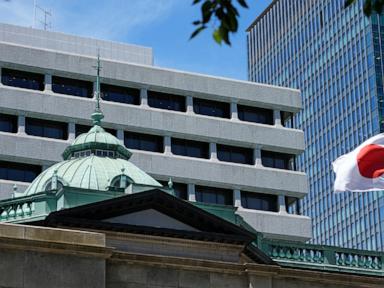
Decades of ultra-cheap money in Tokyo are officially fading into history. The Bank of Japan just pushed its benchmark interest rate up to 1.25 percent, marking a dramatic 31-year high that proves even the most stubborn defenders of negative and near-zero rates have had to surrender to economic reality.
If you thought global monetary tightening was a finished story, look at East Asia right now.
Breaking a 31-Year Streak
The policy board voted 7-2 to bump the overnight call rate up by a quarter percentage point from 1.0 percent. We haven't seen borrowing costs this high in Japan since 1995.
Let that sink in. For an entire generation, Japan's economic identity was defined by stagnation, deflationary spirals, and basement-level interest rates designed to wake up a comatose market. Now, the central bank is actively trying to slam the brakes on climbing prices.
Why the sudden urgency? Inflation refuses to stay quiet. While core consumer inflation dipped slightly to 1.7 percent in August due to temporary government utility subsidies, underlying price pressures are surging. Energy costs are climbing thanks to supply shocks and geopolitical tensions in the Middle East. At the same time, Japanese companies are finally breaking decades of wage restraint, passing rising labor and material costs directly onto consumers.
The Weak Yen Trap and Washington's Shadow
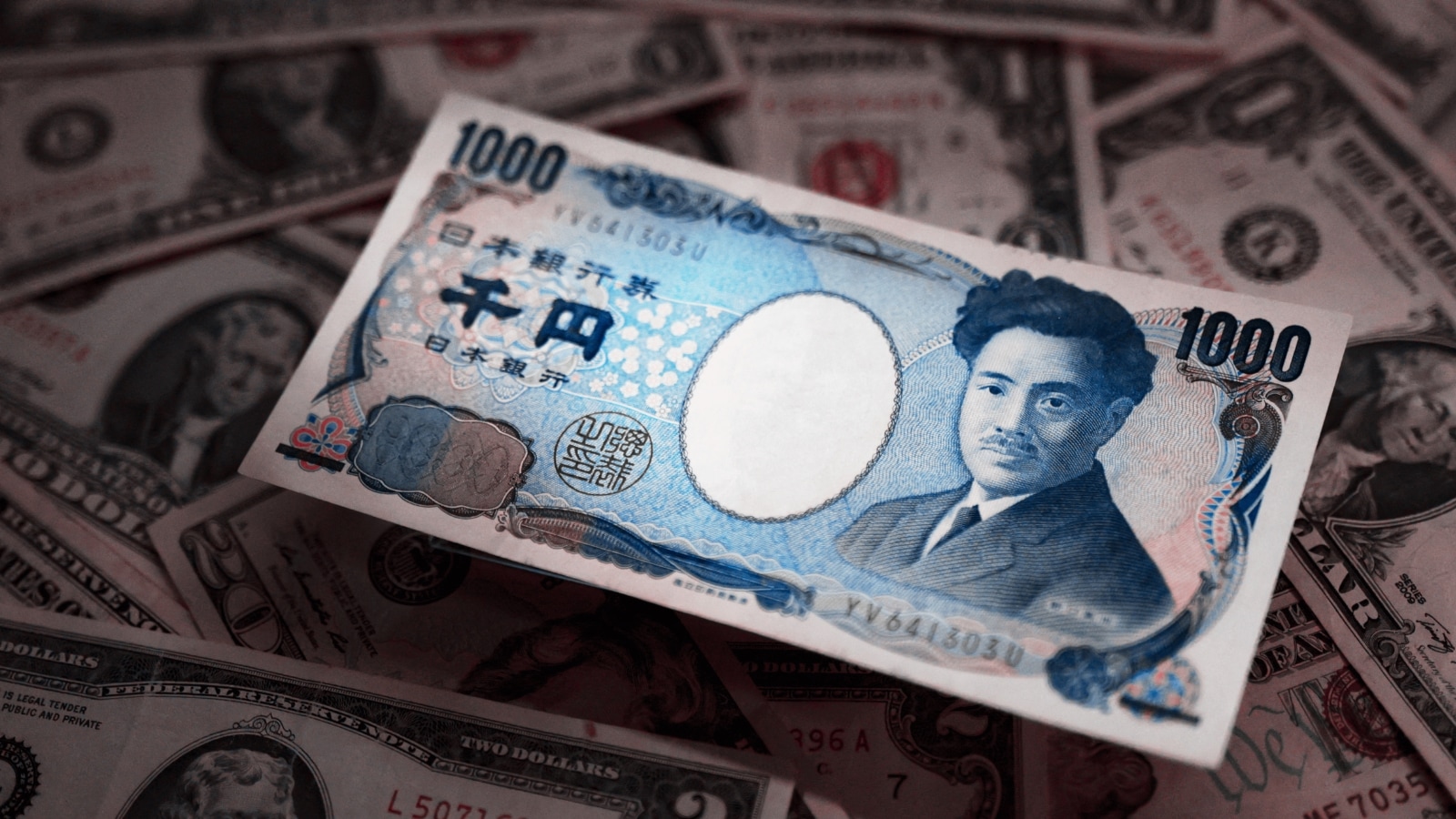
You can't talk about Japan's monetary shift without looking at foreign exchange. The yen has been battered, sliding down to multi-decade lows against the U.S. dollar.
That weak currency acts as a massive hidden tax on a resource-poor island nation. Every drop in the yen makes imported food, oil, and raw materials exponentially more expensive for local households. Tokyo and Washington even staged joint currency interventions earlier to rescue the currency, but artificial market propping only goes so far.
Washington applied heavy pressure behind closed doors. U.S. officials made it clear that a widening interest rate gap between the Federal Reserve and the Bank of Japan was bleeding value from the yen and throwing global bond yields out of whack. When the Fed moves, Tokyo feels the shockwaves immediately.
What This Means for Your Money
Higher rates in Japan change the math for global investors who spent years treating the yen as the ultimate funding currency for carry trades. Borrowing cheaply in yen to buy higher-yielding assets elsewhere is becoming a much riskier bet.
Domestically, Japanese consumers are caught in a tight squeeze. Sure, wages are finally rising to combat a shrinking labor pool, but those gains are getting chewed up by the rising cost of everyday goods. Mortgage holders and corporate borrowers who enjoyed decades of practically free capital now have to adjust to a new normal where money actually costs something.
Governor Kazuo Ueda made it clear that this cycle isn't necessarily over. If inflation overshoots the two percent target and economic indicators stay warm, more rate adjustments are coming down the pipeline.
Stop expecting a return to the old playbook. Japan's era of cheap money is dead.