International maritime trade is standing on a knife-edge. When supply chains break, everyday prices spike, and global markets panic. Italy just decided it's done waiting around for slow-moving international coalitions.
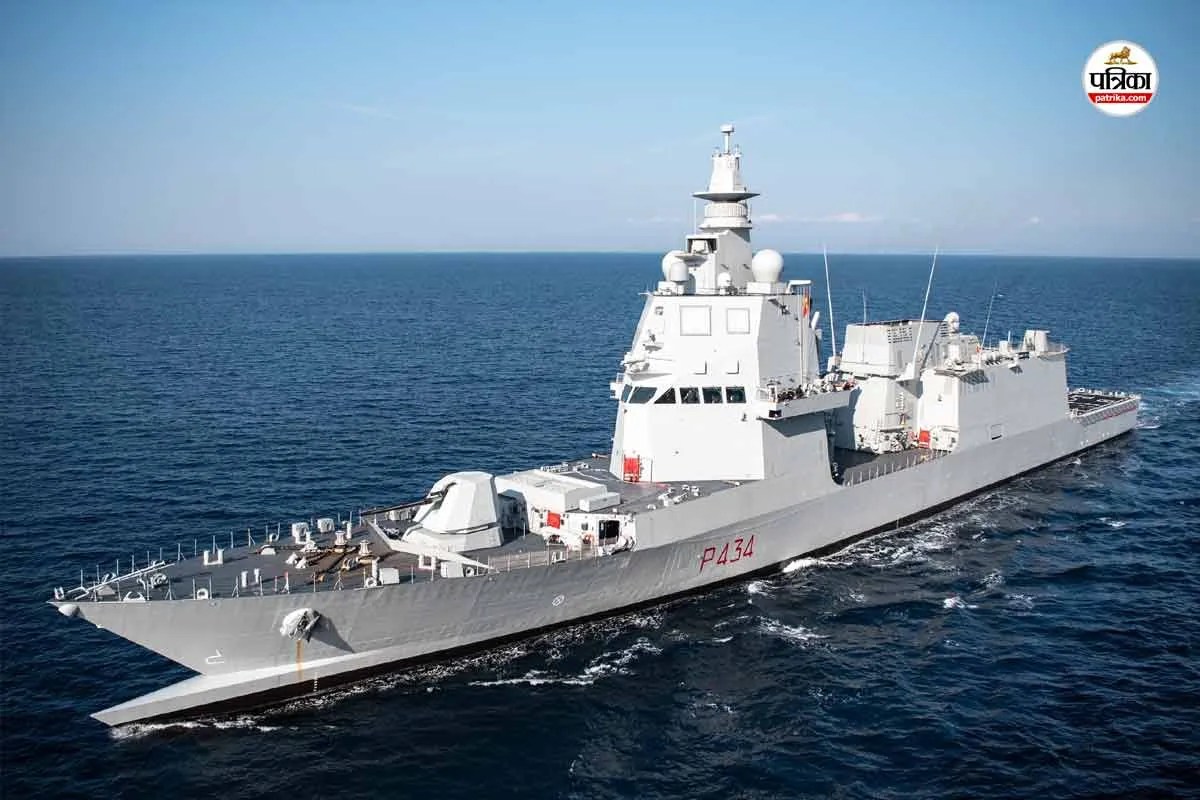
Defense Minister Guido Crosetto made it clear that Rome will take direct action to protect Italian commercial ships from escalating threats near the Bab-el-Mandeb strait. Instead of sitting back for a collective European Union mandate, Italian warships are stepping up to guard vital shipping lanes. This bold move highlights a growing frustration with bureaucratic delays while regional tensions threaten to choke off global commerce.
Why the Bab-el-Mandeb Strait Matters So Much
Look at a map of global trade routes. You will see a narrow maritime bottleneck connecting the Red Sea to the Gulf of Aden. That is the Bab-el-Mandeb strait.
Millions of barrels of oil and countless container ships pass through this exact corridor every single week, bridging Asian manufacturing hubs with European markets. When safety in this region collapses, the ripple effects hit consumers instantly.
Cargo traffic doesn't just stop overnight, but it gets intensely complicated. Recent data shows daily vessel counts hovering around twenty to twenty-six commodity ships passing through the strait. While traffic continues, the underlying risk level has skyrocketed. Insurance premiums for cargo vessels navigating these waters have surged to historic highs. Companies are forced to weigh the financial gamble of a Red Sea transit against the massive delays of going around Africa.
The Real Cost of Diverting Around Africa
When ships avoid the Red Sea, they take the long route around the Cape of Good Hope.
This detour changes everything. It adds thousands of nautical miles to a standard voyage. According to shipping industry trackers like Reuters, diverting cargo around the African continent can add roughly twenty-two extra days of transit time to reach major Asian ports.
Fuel consumption shoots up. Freight shipping rates climb. Companies pass those soaring expenses straight down to the retail buyer. A container delayed by three weeks means empty shelves in stores and disrupted manufacturing schedules across multiple continents. Rome understands that waiting for a unified European consensus means watching national economic stability take a direct hit.
Why Italy is Breaking Ranks
Rome isn't acting out of pure aggression. It is pure economic survival.
As a Mediterranean nation heavily reliant on maritime trade, Italy cannot afford prolonged supply chain blockages. Italian ports depend on a steady stream of imported goods and energy supplies. When Houthi military pressure grows along the western coast of Yemen, trade security becomes an urgent domestic issue rather than a distant foreign policy debate.
Crosetto's announcement signals a shift in European naval strategy. Nations are realizing that multilateral defense frameworks can take too long to mobilize when immediate threats materialize. By deploying naval forces independently, Italy is setting a precedent. Other European nations might soon follow suit if regional security deteriorates further.
Subsea Cables and Energy Infrastructure at Risk
The danger isn't just about container ships getting targeted. The maritime floor beneath these critical chokepoints holds vital infrastructure that powers modern digital life.
Subsea data communication cables and energy pipelines run through these exact waters. Any disruption here threatens internet connectivity, financial transaction networks, and regional energy grids. Protecting commercial cargo is only half the battle. Naval escorts must also safeguard the invisible digital and physical threads holding global economies together.
What Happens Next for Global Shipping
The situation in the Red Sea remains highly volatile. Military posture alone won't solve the underlying geopolitical friction.
If you manage logistics, import goods, or track international trade, you need to bake extended transit timelines into your planning. Short-term fixes like naval escorts will help lower immediate risks for specific national fleets, but systemic uncertainty is here to stay for the foreseeable future. Keep a close eye on insurance rates and carrier route adjustments over the coming weeks. Flexibility is your only defense against an unpredictable maritime landscape.