Political stunts often carry a heavy price. When a high-ranking government official prioritizes a construction project designed specifically for state-sanctioned death, the message isn't just about security. It is about signaling a shift in judicial philosophy that resonates far beyond prison walls.
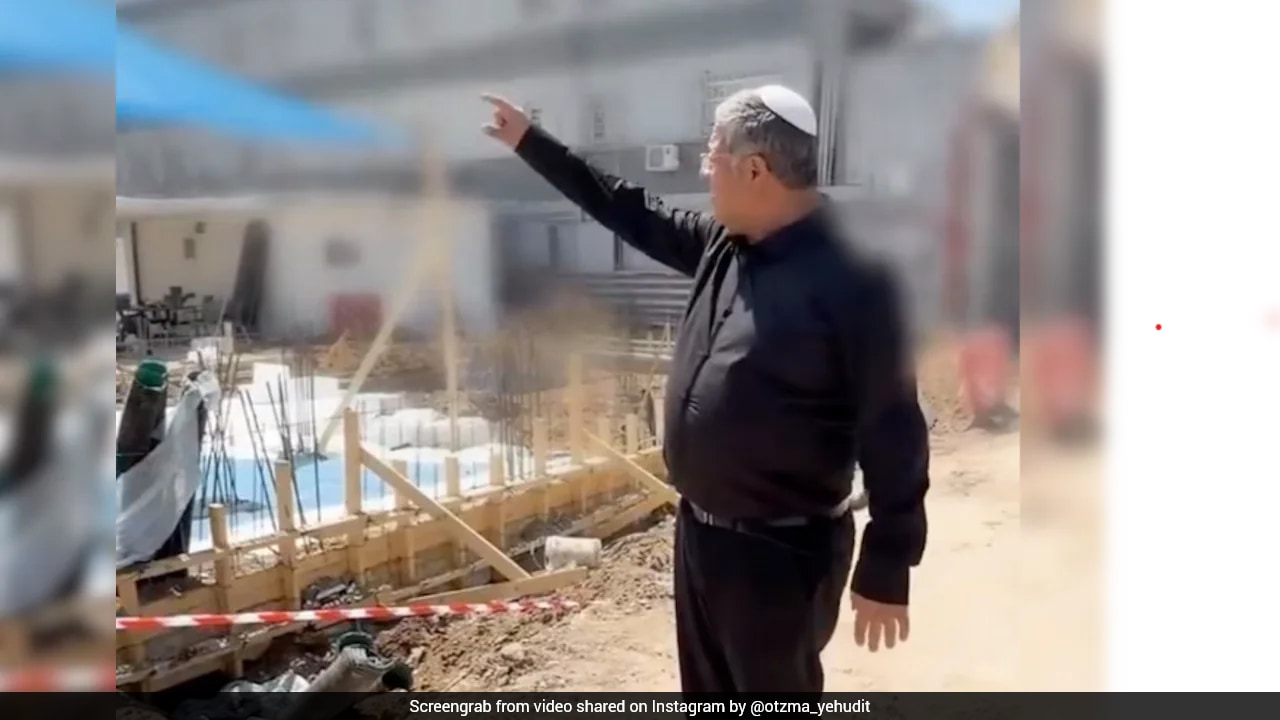
National Security Minister Itamar Ben-Gvir recently shared footage of a facility under construction in Israel. The site features what are described as viewing booths, specifically intended for families of victims to witness the hanging of Palestinians convicted of terror offenses. This visual display isn't an accidental oversight. It is a calculated move meant to satisfy a specific political base while forcing a global conversation about the morality and legality of capital punishment in a modern democracy.
Understanding the death penalty shift
The legal framework supporting this development stems from the Death Penalty for Terrorists law passed earlier in 2026. This legislation is a significant departure from standard international legal norms. While most modern nations have moved toward the abolition of capital punishment, this law mandates death by hanging as a standard sentence in military courts for specific terrorism-related convictions.
Critics point out a glaring inconsistency that defines this policy. The law does not apply to all citizens. It targets Palestinians specifically, excluding Jewish extremists from the same judicial consequences. This selective application creates a dual-system legal environment that international human rights organizations have long warned against.
When you look at the mechanics, the inclusion of viewing booths is designed to create a sense of retributive closure. However, for those observing from the outside, it highlights the normalization of state violence. It shifts the prison system from a facility focused on incarceration to a stage for political spectacle.
The political cost of performative justice
Ben-Gvir’s career is built on polarizing rhetoric. His history involves convictions for supporting banned movements and inciting racism, yet he remains a key figure in the current administration. Celebrating the construction of an execution site with social media videos and images of a noose-themed birthday cake isn't just unprofessional. It is a signal of how far the acceptable boundaries of political discourse have moved in Israel.
Why does this matter for the average person paying attention to global affairs? Because precedent is contagious. When a democracy decides to use the state's power to hang individuals—specifically based on ethnic or national identity—it erodes the concept of equality before the law. This isn't about whether you support or oppose specific security measures. It is about the structure of a society that decides some lives are worth less than others in the eyes of the judiciary.
International response and the road ahead
The international community has not remained silent, though reactions have been varied. Several nations, including France, Ireland, and the UK, have already leveled sanctions against Ben-Gvir. These sanctions were initially sparked by his calls for punitive killings in Gaza. This latest development with the gallows likely pushes those diplomatic tensions into a deeper, more permanent freeze.
If you are tracking how this evolves, keep your eye on two areas:
- Military Court Rulings: Monitor whether these courts actually utilize the death penalty sentence or if it remains a threat used to influence plea negotiations.
- Judicial Challenges: Watch the Israeli Supreme Court. Historically, it has been the final check on government overreach, but its power to intervene in matters deemed purely "security-related" has been under heavy fire from the current coalition.
There is no simple fix for the situation. The facility is being built, the law is in place, and the rhetoric is hardening. For those looking for a way forward, the focus must remain on the long-term impact on the legal system itself. Once the barrier to capital punishment is removed, it rarely stays restricted to the original intent of the law.
Don't expect the controversy to fade. As the facility nears completion, expect more visibility, more protests, and further international scrutiny. This isn't just about a building. It's about a fundamental shift in how a state asserts its authority over the people it deems its enemies.
Stay informed on the legislative updates regarding the military court processes. Watch for how legal NGOs in the region challenge these construction projects in court. Real change starts with understanding that these actions set a standard for what is permissible, and that standard eventually affects everyone under the state's jurisdiction.