Washington wants Tehran to fold, but Iranian Foreign Minister Abbas Araghchi just drew a hard line. Diplomacy with the United States isn't off the table entirely, but it requires a fundamental shift in how the White House approaches negotiations. If the US keeps relying on brute-force economic tactics and military posturing, nothing changes.
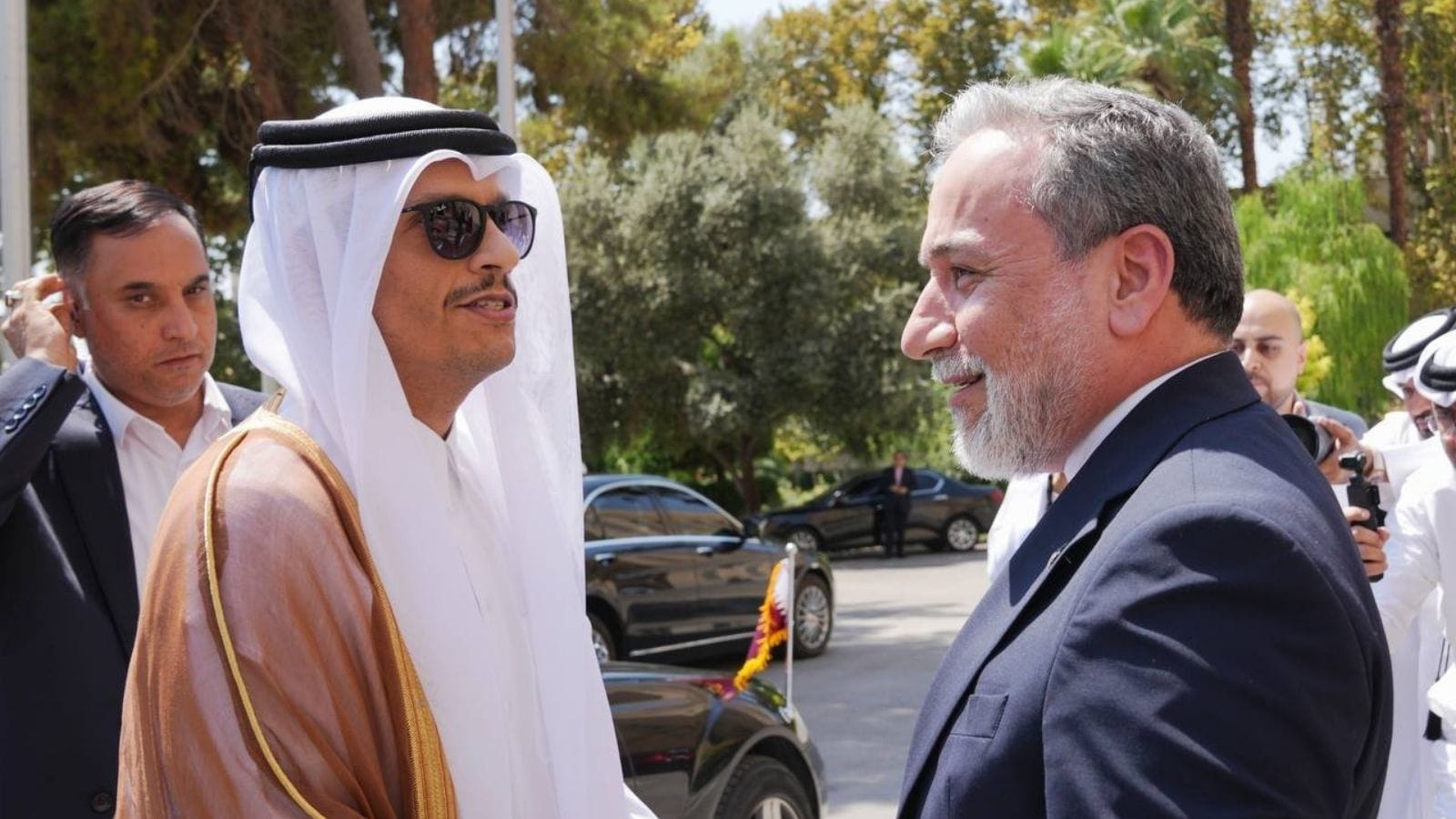
Months into an ongoing regional conflict and stalled international talks, the diplomatic channel remains frozen. Araghchi laid out Tehran's stance clearly following high-stakes meetings in Tehran with Qatar's Prime Minister and Foreign Minister, Sheikh Mohammed bin Abdulrahman Al Thani.
The Core Demand From Tehran
Putting talks back on track isn't impossible. It hinges on one simple realization from Washington: pressure doesn't work.
Iran isn't backing down under heavy sanctions or maritime standoffs in the Strait of Hormuz. Instead of coercive measures, Araghchi argued that the US must build trust, speak respectfully, acknowledge Iranian rights, and actually uphold its diplomatic commitments.
Right now, trust is at an all-time low. The White House insists that direct negotiations aren't happening, choosing instead to lean hard into an economic containment strategy. But regional mediators like Qatar and Oman are working overtime to prevent total collapse, pushing for revived shipping corridors and renewed political windows.
Why Regional Mediation Matters Now
Doha and Muscat aren't just sitting on the sidelines. Qatari diplomacy is trying to salvage what is left of regional stability. With critical global trade routes passing through the Persian Gulf, any breakdown between Washington and Tehran hits global energy supplies immediately.
Iran is currently drafting conditions to restore normal maritime traffic through the Strait of Hormuz after months of disruption. But those terms directly collide with American enforcement of sanctions and port blockades.
If Washington refuses to adjust its posture, third-party mediation will only get so far. Tehran has made its conditions transparent. The ball is in America's court to decide whether it wants a negotiated settlement or a permanent stalemate.
Stop waiting for a breakthrough if Washington refuses to change its strategy. Watch how the White House responds to ongoing Gulf mediation efforts over the coming weeks.