Whenever a narrow body of water can choke off a fifth of the world's energy supply overnight, everyone pays attention. Right now, the Strait of Hormuz is the most tense stretch of water on the planet. Tehran is laying down hard demands for any resumption of normal shipping, and global markets are trying to figure out if these conditions are actual starting points for negotiation or just political posturing.
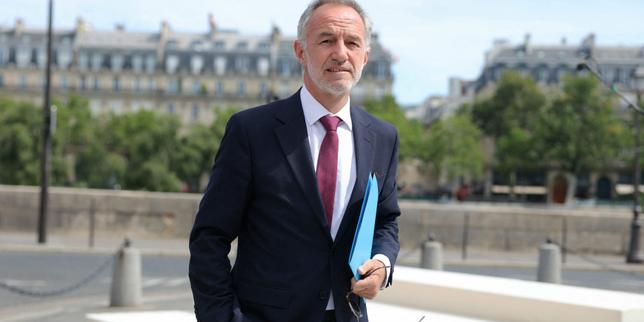
Let's look at what is really happening behind the diplomatic curtain. Mohsen Rezaei, secretary of Iran's Supreme National Security Council, recently made it clear that Tehran is preparing a precise checklist for reopening the vital waterway. Mediators asked for these terms, and Iran delivered. But the price tag is massive.
The Cost Of Reopening The Waterway
If you want tankers moving freely through the Persian Gulf again, you have to meet a very specific set of requirements coming out of Tehran. The demands aren't small. They include ending the broader regional conflict, lifting what Iran calls a blockade of its own domestic ports, removing crippling economic sanctions, and even paying financial compensation.
Think about those terms for a second. Asking Washington and its allies to lift sanctions and pay reparations while regional tensions remain raw is a heavy lift. It is basically a maximalist opening position. Iran's Revolutionary Guards have also hinted at joint management arrangements, pointing to discussions with Oman about splitting control and potential revenue sharing over parts of the corridor. Some transit traffic might move through designated lanes split between Omani and Iranian territorial waters, but only if the political stars align.
Right now, that alignment feels miles away.
Why The Strait Of Hormuz Is The Ultimate Chokepoint
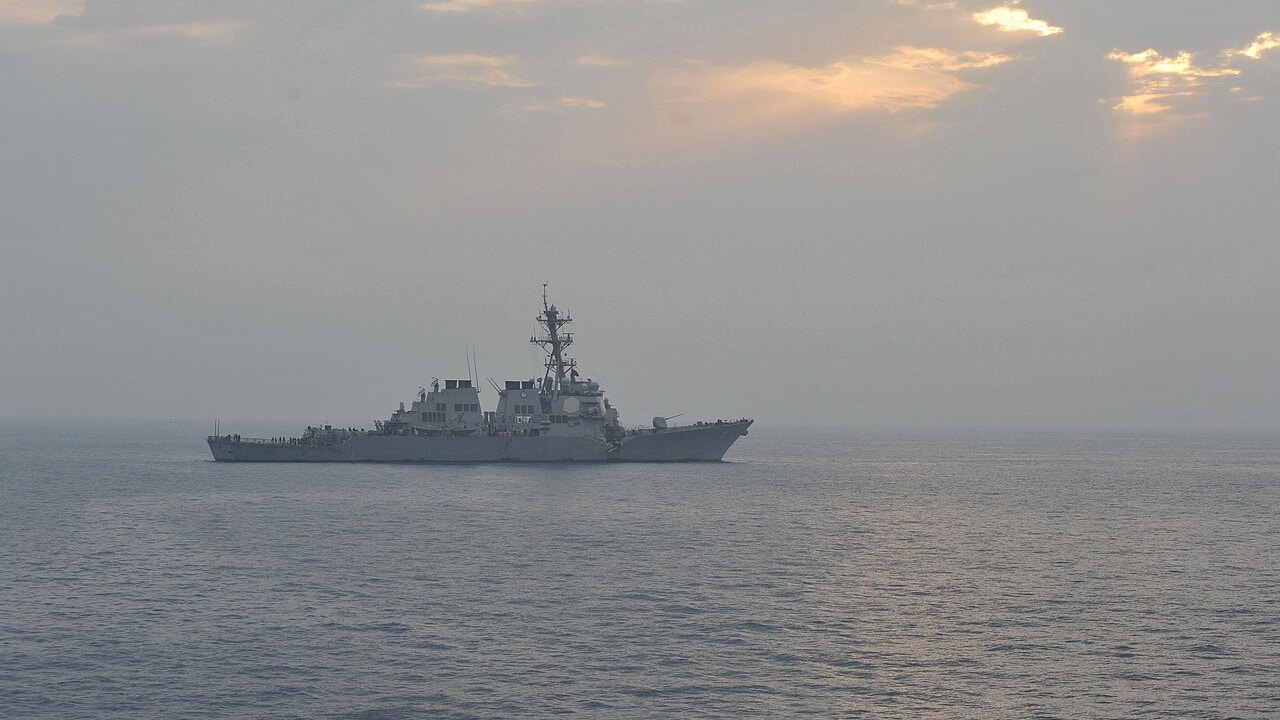
Before the conflict escalated, roughly twenty percent of global oil and liquefied natural gas shipments flowed through this corridor daily. It is a narrow shipping bottleneck bordered by Iran to the north and Oman and the United Arab Emirates to the south. When traffic stops here, gas pumps react instantly from Tokyo to Texas.
Shipping through the waterway has basically ground to a halt since the war began. Previous ceasefire announcements brokered earlier in the year promised a return to normal maritime traffic, but those deals fell apart quickly because neither side trusted the other on enforcement or security guarantees.
When you shut down a marine artery this important, the global economy feels it immediately. Insurance rates for cargo vessels skyrocketed. Tanker companies rerouted ships around entire continents, burning massive amounts of extra fuel and driving up consumer prices for basic energy goods.
What Happens Next For Energy Traders
Markets hate uncertainty more than they hate bad news. Right now, traders are pricing in a prolonged closure while parsing every statement coming out of Tehran and Washington.
If you are tracking these developments for business or investment purposes, don't expect a sudden resolution just because mediators are talking. Watch the concrete indicators instead. Look for actual changes in port blockades, formal diplomatic notes on sanctions relief, or verified test runs of commercial tankers through the Omani-Iranian transit corridor. Until those physical steps happen on the water, the Strait of Hormuz remains closed for business.