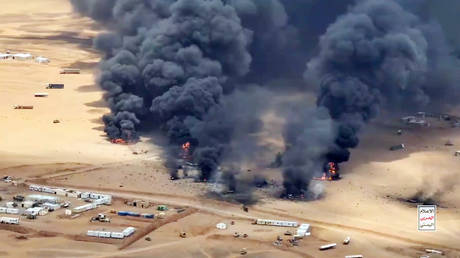
Iranian President Masoud Pezeshkian isn't buying Washington's explanations. In a recent interview, he dismissed US accusations about Tehran's nuclear enrichment programme as pure fabrication, claiming they are nothing more than a convenient excuse to launch military strikes.
When nations clash on the global stage, the rhetoric usually centers on security, treaties, and hidden weapons. But according to Tehran, the script being read by the United States and Israel is a deliberate distortion. Let's look at what is actually happening behind the diplomatic curtain. Expanding on this idea, you can find more in: Why Kyaw Moe Tun Remains The Un Envoy Myanmar Military Can't Silence.
The NPT Defense and Daily Monitoring
Pezeshkian points to a very simple logical anchor: Iran remains a signatory to the Nuclear Non-Proliferation Treaty (NPT). His stance is straightforward: if Tehran were actively hunting for an atomic bomb, why stay inside a framework that invites international inspectors?
"If we were seeking nuclear weapons, we wouldn't have become a member of NPT," Pezeshkian noted during his interview with India Today Group Editor Geeta Mohan. He emphasized that inspectors check Iranian facilities constantly. "They exercise the greatest amount of monitoring regarding nuclear activities in Iran on a daily basis," he added. Experts at The New York Times have shared their thoughts on this matter.
International oversight has tracked these sites for years. Yet, Western officials continue to sound alarms about breakout timelines and uranium enrichment levels. Pezeshkian calls these claims baseless propaganda, arguing that the real objective of the military offensive that began on February 28 has little to do with non-proliferation and everything to do with regime pressure.
Broken Trust and the Shadow of Conflict
Can diplomacy work when trust is entirely broken? Right now, Tehran says no—at least not immediately.
The friction goes far beyond routine political posturing. The conflict escalated dramatically following the killing of former Supreme Leader Ayatollah Ali Khamenei on the opening day of the war. For Iranian society, that event created a deep psychological and political fracture. Pezeshkian made it clear that jumping back into direct talks with US President Donald Trump is off the table for now because the foundational trust required for negotiations has been shattered.
He also pointed out that previous diplomatic efforts had shown promise before collapsing. According to Tehran, negotiators were close to an arrangement, and an understanding had even been reached through a memorandum of understanding before Washington backed away. From the Iranian perspective, every time diplomacy inches forward, military action resets the board.
The Double Standard on Regional Arsenals
Another core argument coming out of Tehran targets international hypocrisy. Pezeshkian publicly questioned why Western powers fixate entirely on Iran while ignoring regional actors who operate outside the NPT framework entirely—most notably Israel.
While international scrutiny bears down heavily on Iranian facilities, Israel's undeclared nuclear arsenal faces virtually no comparable international pressure or inspections. Tehran argues that this disparity proves the nuclear narrative is weaponized selectively.
Pezeshkian also shifted the spotlight toward the humanitarian crisis in Gaza and Lebanon. He argued that Western condemnation is conspicuously absent when civilians are killed daily by allied forces, suggesting that moral outrage is applied only when it suits a geopolitical agenda.
What Comes Next for Tehran and Washington
Iran insists it is not looking for all-out war, but the administration maintains it will retaliate against any continued aggression on its soil. The core demands from Tehran remain fixed: economic sanctions must be lifted, and military strikes must cease.
Until those baseline conditions are met, expect the diplomatic stalemate to hold. The nuclear file remains trapped in a cycle of accusations, where technical debates over enrichment levels mask a much deeper, unresolved struggle for regional dominance.