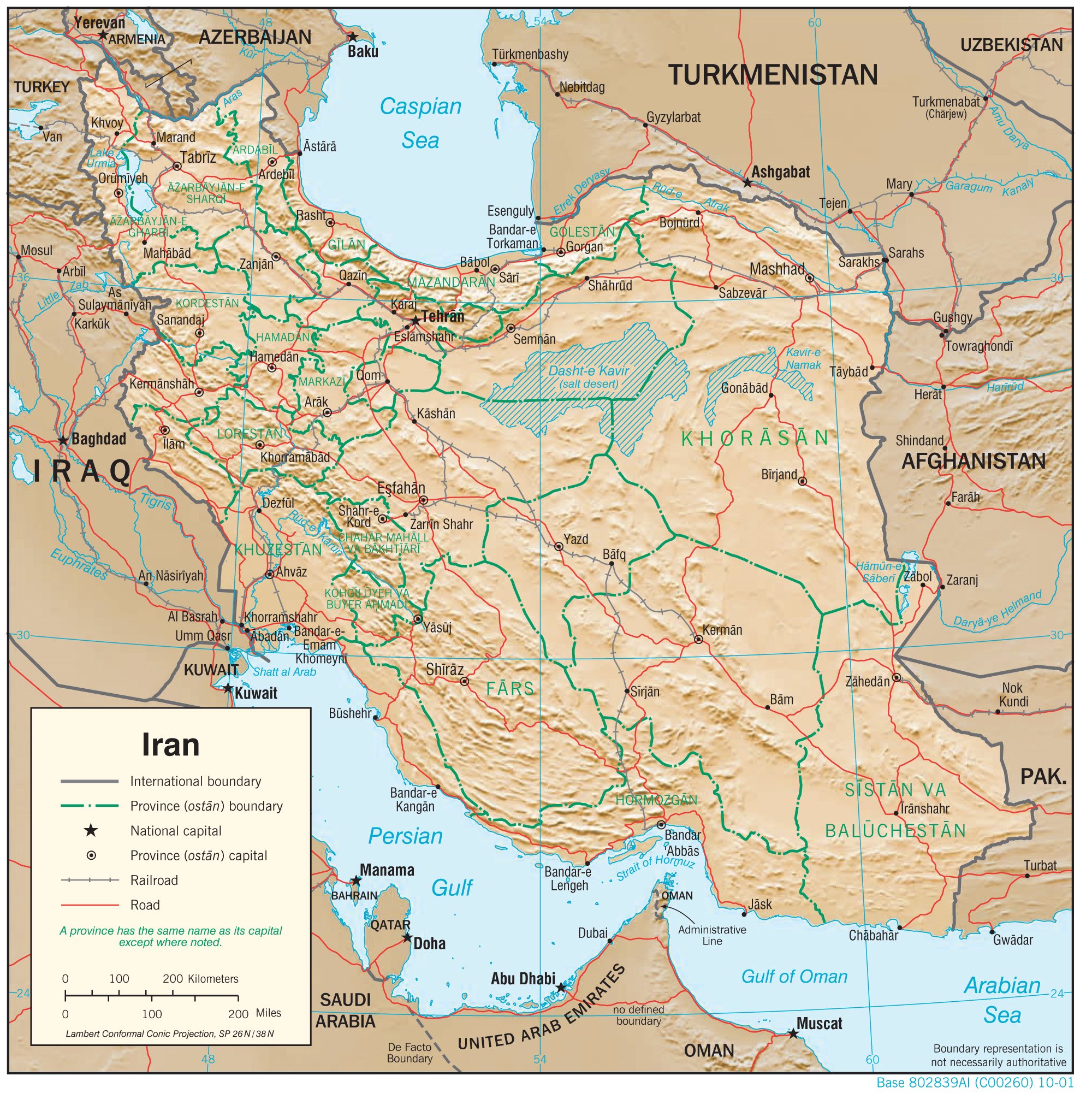
If you think the standoff over the Strait of Hormuz is just a localized maritime dispute, you're missing the entire board. Tehran isn't just fighting over a stretch of water. They've tied the reopening of the world's most critical oil chokepoint directly to a complete cessation of regional military operations in places like Lebanon, Gaza, and Syria.
The Trump administration isn't biting. Reports indicate Washington has entirely written off a return to the fragile memorandum of understanding hammered out back in June, opting instead for an aggressive escalation of economic pressure. Read more on a similar issue: this related article.
Let's look at why this standoff refuses to cool down and what it actually means for global energy markets.
The Strategy Behind Iran Connecting Hormuz to Wider Regional Wars
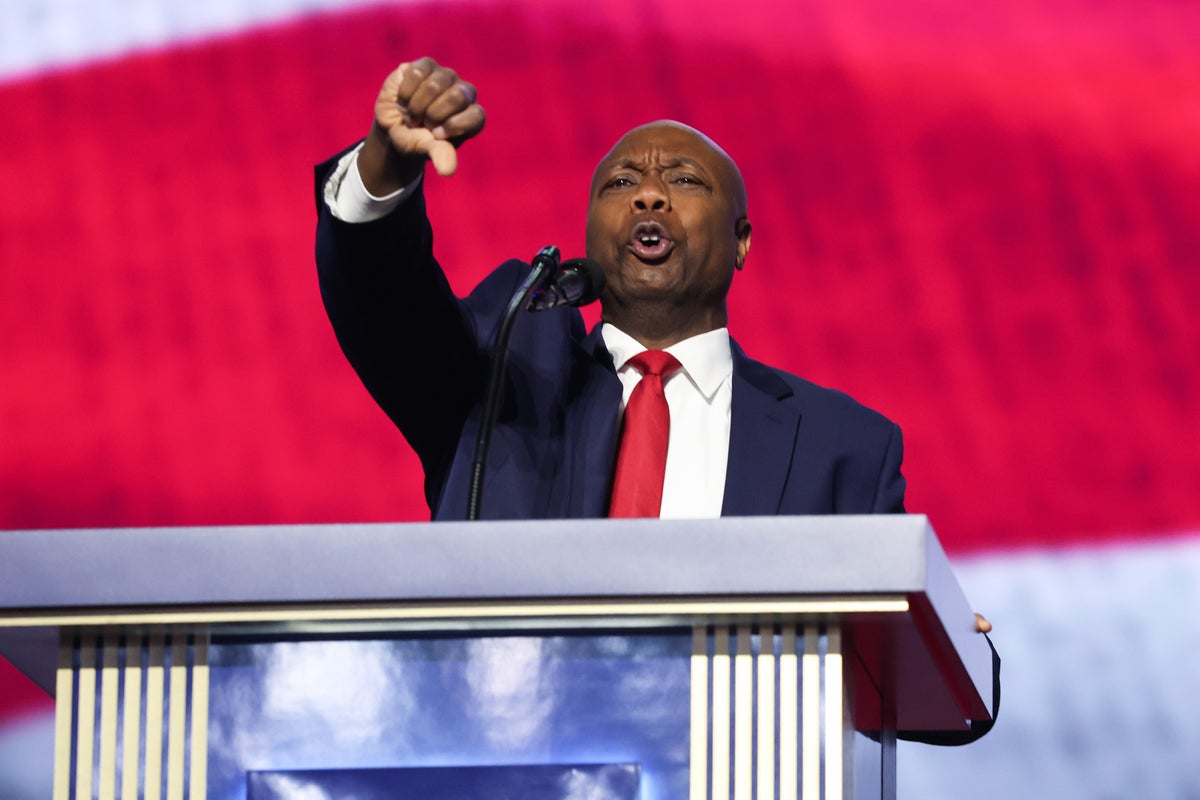
When Mohsen Rezaei, secretary of Iran's Supreme National Security Council, stated that the Strait of Hormuz cannot be decoupled from the broader Middle Eastern conflict, he wasn't just throwing words at the wind. The ruling hardline faction in Tehran views maritime leverage as their primary tool to alter the regional balance of power. More analysis by NBC News delves into comparable views on this issue.
By insisting that any permanent shipping agreement must include an end to Israeli military actions in Lebanon and Gaza, along with a full withdrawal from southern Lebanon, Iran is forcing a multi-front diplomatic knot. They believe that sustained pressure on global oil flows remains their best defense against U.S. and allied military campaigns.
You see, the math from Tehran's perspective is simple. If the West wants lower crude prices and secure tankers, they have to address the entire chessboard, not just the Persian Gulf.
Trump Rejects the June Framework and Pivots to Economic D-Day
Diplomacy took a massive hit when the White House signaled zero interest in reviving the June agreement. That short-lived accord, which had briefly offered a roadmap toward easing naval blockades, is dead in the water.
President Donald Trump's administration has shifted gears toward an uncompromising economic containment strategy, threatening secondary sanctions against any nation caught trading with the Islamic Republic. U.S. Central Command (CENTCOM), led by figures like Admiral Brad Cooper, continues to project confidence. The military maintains that international shipping lanes are being secured, pointing to thousands of commercial vessels and millions of barrels of crude escorted or cleared through regional waters.
Yet, the ground reality tells a different story. While Washington claims total control, commercial transit data paints a stark picture. Daily crossings remain a fraction of their pre-war volume. Tanker operators aren't easily convinced by optimistic press briefings when maritime insurance rates are skyrocketing and naval skirmishes pop up weekly.
Oman, Backchannels, and the Battle for Temporary Corridors
Regional intermediaries are working overtime to prevent total economic catastrophe. Oman, which historically acts as the primary diplomatic bridge between Washington and Tehran, recently floated a proposal to establish a temporary joint shipping lane and launch coordinated mine-clearing operations in the strait.
Iran signaled openness to a limited corridor, but attached the heavy asterisk that Washington must lift its naval enforcement and honor previous truce parameters.
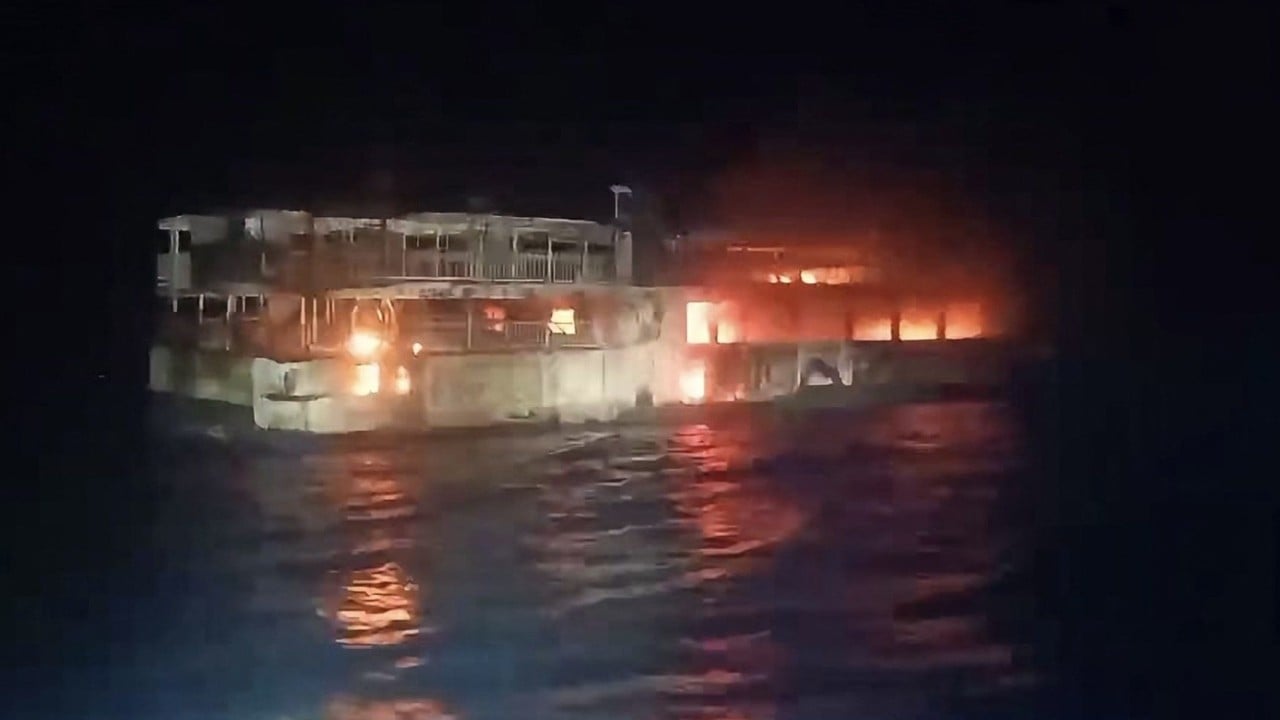
The U.S. military has countered these backchannel proposals by stepping up its own security escorts and aggressively targeting shadow fleet tankers accused of funding the Islamic Revolutionary Guard Corps (IRGC). This creates a dangerous loop. Every time a tanker is intercepted or struck, Tehran responds with asymmetric countermeasures, keeping tensions at a boiling point.
What This Means for Energy Markets and Businesses Moving Forward
If you're running a business dependent on logistics, manufacturing, or fuel-intensive operations, you cannot afford to treat this conflict as background noise. Diesel prices and shipping insurance costs remain vulnerable to sudden spikes driven by every flare-up in the Gulf.
Stop waiting for a quick diplomatic fix. The breakdown of the June framework means this conflict is settling into a protracted war of economic attrition. Build contingencies into your supply chains now, diversify your energy exposure, and assume that maritime traffic through West Asia will face chronic friction for the foreseeable future.