An independent legal investigation into the prestigious Interlochen Center for the Arts in Michigan has exposed decades of systemic failures. Released in a 97-page report by the Sanghavi Law Office, the findings detail 70 accounts of sexual misconduct involving nearly 50 faculty and staff members spanning from the 1950s through the 2010s. Worse still, the probe tied convicted sex offender Jeffrey Epstein directly to the grounds.
If you've followed how institutions handle historic abuse, you know the script. A scandal breaks, leadership hires outside lawyers, and public apologies follow. But the Interlochen findings cut deeper. They show how donor money, prestige, and administrative silence allowed predatory behavior to fester unchecked for generations.
Inside the Sanghavi Law Office Findings
The numbers laid out in the report are staggering. Investigators gathered 70 distinct accounts from alumni detailing grooming, inappropriate flirting, sexual touching, and explicit abuse. These actions were attributed to 47 different individuals tied to the fine arts camp and boarding school. Most of these incidents occurred prior to the year 2000.
Interlochen leadership, including president Trey Davey and board chair Barrett Rollins, called the information simply devastating in a public statement. They handed the names of the accused over to local law enforcement in Grand Traverse County, Michigan. More than a third of those accused are already dead, and none currently work at the institution.
Institutions often hide behind the defense of time. They argue that eras were different back then. Leadership at Interlochen avoided that trap, admitting plainly that abuse is wrong now and was wrong then.
The Jeffrey Epstein Connection
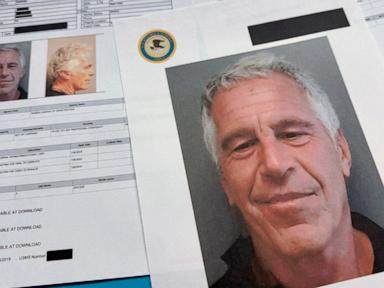
The inclusion of Jeffrey Epstein in the report adds a grim layer to the school's history. Epstein attended Interlochen as a bassoon camper in 1967. Decades later, between 1990 and 2003, he donated upwards of $400,000 to the school. His financial backing earned him enough clout that a campus lodge was named in his honor.
That name didn't last forever. Interlochen stripped Epstein's name from the building back in 2008 following his initial conviction in Florida. The lodge was later renamed Green Lake Lodge and has since been demolished, a move that followed the federal release of massive Department of Justice files related to his crimes.
Two women came forward during the recent investigation to report direct sexual misconduct by Epstein. One alumni stated that Epstein engaged in unwanted physical contact inside the very lodge that bore his name, brushing against her body under the guise of an accident. She described freezing during these encounters, unable to stop him before he flew her out to New York while she was still a student.
Another woman told investigators she gave Epstein a massage at his home, where he pressured her to remove her top. These accounts match a broader pattern of predatory behavior that Epstein maintained across decades, often leveraging wealth to gain access to young people.
Why Elite Institutions Fail to Protect Students
How do famous arts academies and boarding schools miss these warning signs for decades? Prestige creates a culture of immunity. When an institution attracts global talent, wealthy donors, and famous alumni, administrators often prioritize reputation protection above student safety.
Donors like Epstein used philanthropy as a shield. They bought influence, naming rights, and access. Schools became dependent on the cash flow, creating a dangerous power dynamic where questioning a major donor's behavior felt unthinkable to mid-level staff.
Furthermore, the Sanghavi report highlights a systemic lack of reporting channels. For decades, victims had nowhere safe to turn. Power imbalances between famous instructors, wealthy benefactors, and teenage students meant that complaints were ignored, minimized, or buried.
Moving Forward After the Report
Interlochen insists it is a fundamentally different place today. Current leadership points to modern safety policies, stricter background checks, and a complete cultural overhaul over the past twenty-five years.
Yet, releasing a report and apologizing is only the baseline. For alumni who spent decades carrying the weight of silence, words come cheap. True accountability requires transparency, cooperating fully with criminal investigations, and ensuring that modern oversight never sleeps, no matter how large a donor's check might be.
If you or someone you know has been affected by sexual abuse or misconduct, confidential help is available. The Rape, Abuse & Incest National Network operates a 24/7 hotline at 1-800-656-4673.