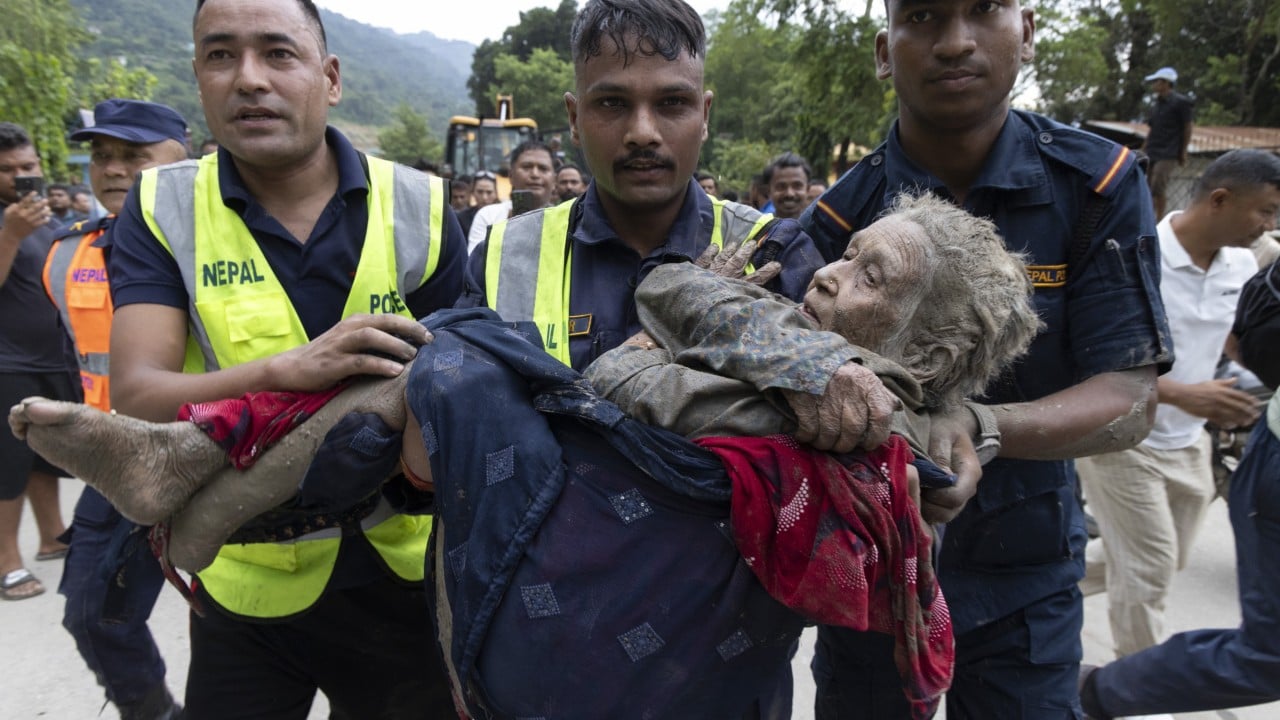
Thick, dark brown sludge cakes the clothes and skin of anyone pulled from the wreckage along the Himalayan border. When a glacial collapse triggered massive flash floods and mudslides across Tibet and northern Nepal, the sheer scale of the disaster caught local communities and governments completely off guard. Now, search teams are racing against time, digging through meters of debris where entire villages used to stand.
The numbers coming out of the border region are staggering. Hundreds of people have died, and thousands remain missing. Heavy rain keeps threatening the rescue zones, turning unstable slopes back into rivers of mud. If you are tracking the situation, you know the human cost is climbing every single day.
Why the Border Region Was So Vulnerable
Geography dictates tragedy here. The mountainous terrain linking China's Gyirong Port and Nepal's Rasuwa district is prone to extreme weather shifts. When glaciers break apart high above, the resulting water wall travels down narrow valleys with terrifying speed.
Infrastructure takes a brutal beating in these events. Hydropower tunnels, roads, and bridges vanish in seconds. Workers and residents find themselves trapped underground or cut off on isolated patches of land surrounded by churning torrents.
Governments often talk about early warning systems, but the reality on the ground is messy. When a glacier fails, modern tech can only buy seconds, not hours.
The Shift in Rescue Strategy
In the immediate aftermath, bureaucratic hurdles slowed down the response. Nepal initially hesitated to bring in foreign rescue teams and specialized equipment, preferring to manage operations internally. That stance changed quickly as the sheer volume of missing persons overwhelmed local forces.
Foreign experts and extra heavy-lift helicopters arrived to supplement the grueling hand-digging efforts of the military and local volunteers. Helicopters are now the only lifeline for isolated pockets, lifting survivors off rooftops and steep cliffsides.
Rescue workers face grueling conditions. They shovel tons of debris by hand because heavy machinery cannot reach the most remote gorges. Every time rain starts to fall, teams have to pause to avoid getting swept away themselves by secondary landslides.
What Comes Next for the Affected Communities
Surviving the initial wall of water is only the first hurdle. Clean drinking water is scarce, and the risk of waterborne disease grows by the hour. Makeshift camps are swelling with displaced families who have lost everything they owned.
Authorities are already digging mass graves in places like Chitwan's Devghat forest for unidentified victims, a grim sign of the disaster's magnitude. Communities across the region are setting up local fundraising drives and supply networks, realizing that long-term recovery will take years, not weeks.
The mountains are not standing still. Climate scientists warn that retreating glaciers in the Himalayas make these catastrophic flash floods more likely in the future. Ignoring the structural risks of building infrastructure in these vulnerable river valleys is no longer an option.
Relief operations continue around the clock. Support local aid organizations directly involved on the ground if you want to help families rebuild their lives from the mud up.