Borders are drawn by politicians and ink. They change with wars, treaties, and time. But some connections exist entirely outside the lines drawn on a map.
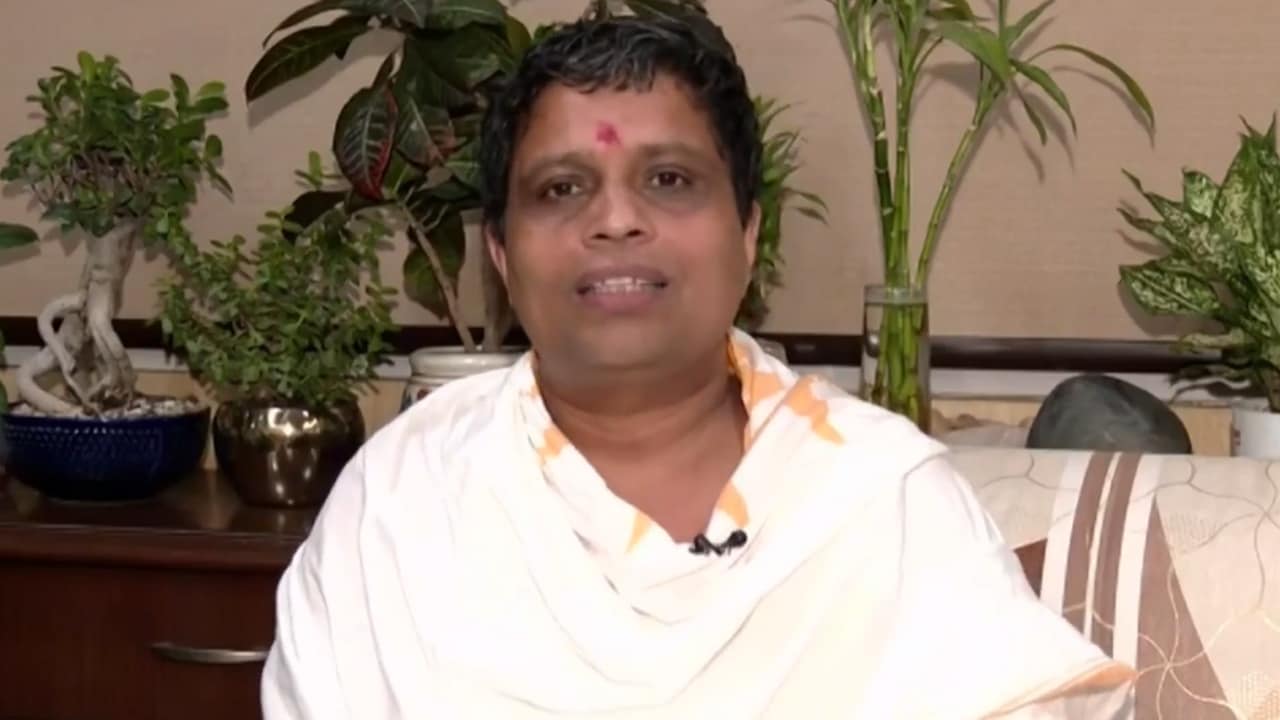
If you look at the relationship between India and Nepal, you see something much deeper than bilateral trade agreements or security checkpoints. At the NDTV World Summit Anviksha, Patanjali CEO Acharya Balkrishna put words to a truth that millions on both sides of the frontier live every day. He stated quite simply that the political boundary is the only real separator between the two nations. Everything else—civilization, heritage, thought, and emotion—flows freely back and forth.
We forget this when diplomatic rows make headlines. We miss the point when we look at international relations only through the cold lens of geopolitics.
The Civilisational Bridge That Defies Geography
Think about how history actually happened. Gautama Buddha entered the world in Lumbini, located in modern-day Nepal. Yet, his transformation into the Buddha happened on Indian soil at Bodh Gaya, followed by his first sermon in Sarnath.
That journey is a physical metaphor for the entire relationship. You cannot separate one part of that biography from the other without breaking the story entirely. India and Nepal share spiritual roots that predate modern nation-states by thousands of years.
When a crisis hits, this bond shows its true weight. Balkrishna spoke publicly about the heavy toll of the floods that recently devastated parts of Nepal, noting how deeply personal the tragedy felt. His words reflected a widespread sentiment: when one nation suffers, the other feels the shockwaves immediately.
Beyond Trade to Grassroots Exchange
Big corporate initiatives often get reduced to PR soundbites. But looking at how organizations operate on the ground reveals real impact.
Patanjali's footprint in Nepal goes far beyond selling consumer goods. The organization runs operations across all seventy-seven districts of the Himalayan nation, deploying more than one hundred thousand local yoga instructors. These services are delivered without charge, embedding wellness deep into local communities.
Consider what else is happening on the ground:
- Operating private Ayurvedic education institutions within Nepal.
- Training thousands of visiting students from Nepal in agriculture and natural medicine in India every year.
- Managing herbal and botanical resource networks that span across regional borders.
This is not corporate expansion. It is cultural exchange disguised as commerce. When you teach thousands of young people how to farm sustainably or practice traditional medicine, you build relationships that survive changes in government.
What Most Observers Miss About Cross-Border Ties
Diplomats talk about treaties. Business leaders talk about supply chains. But people-to-people connections dictate whether those treaties actually work.
When you travel between the two countries, you realize how porous the cultural reality is. Families span both sides of the border. Shared festivals, shared dietary habits, and shared spiritual traditions mean that citizens do not view each other as foreigners.
Politicians can argue over maps, but they cannot rewrite shared heritage. The foundation of India-Nepal ties rests on food, water, shared history, and mutual survival.
Keep an eye on grassroots initiatives rather than just government briefings if you want to understand where this relationship is heading. Support local exchange programs, study the shared traditions, and look past the political noise.