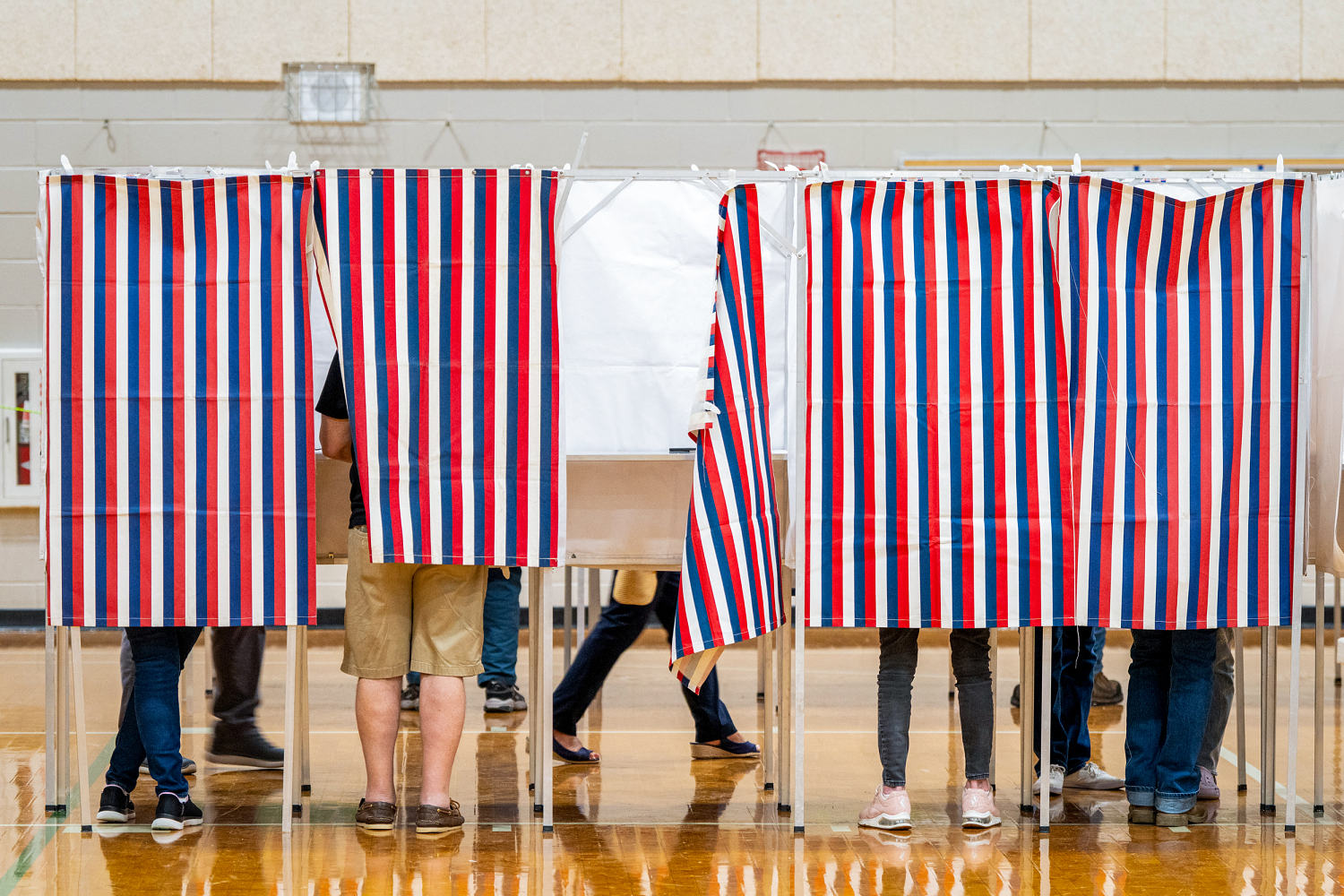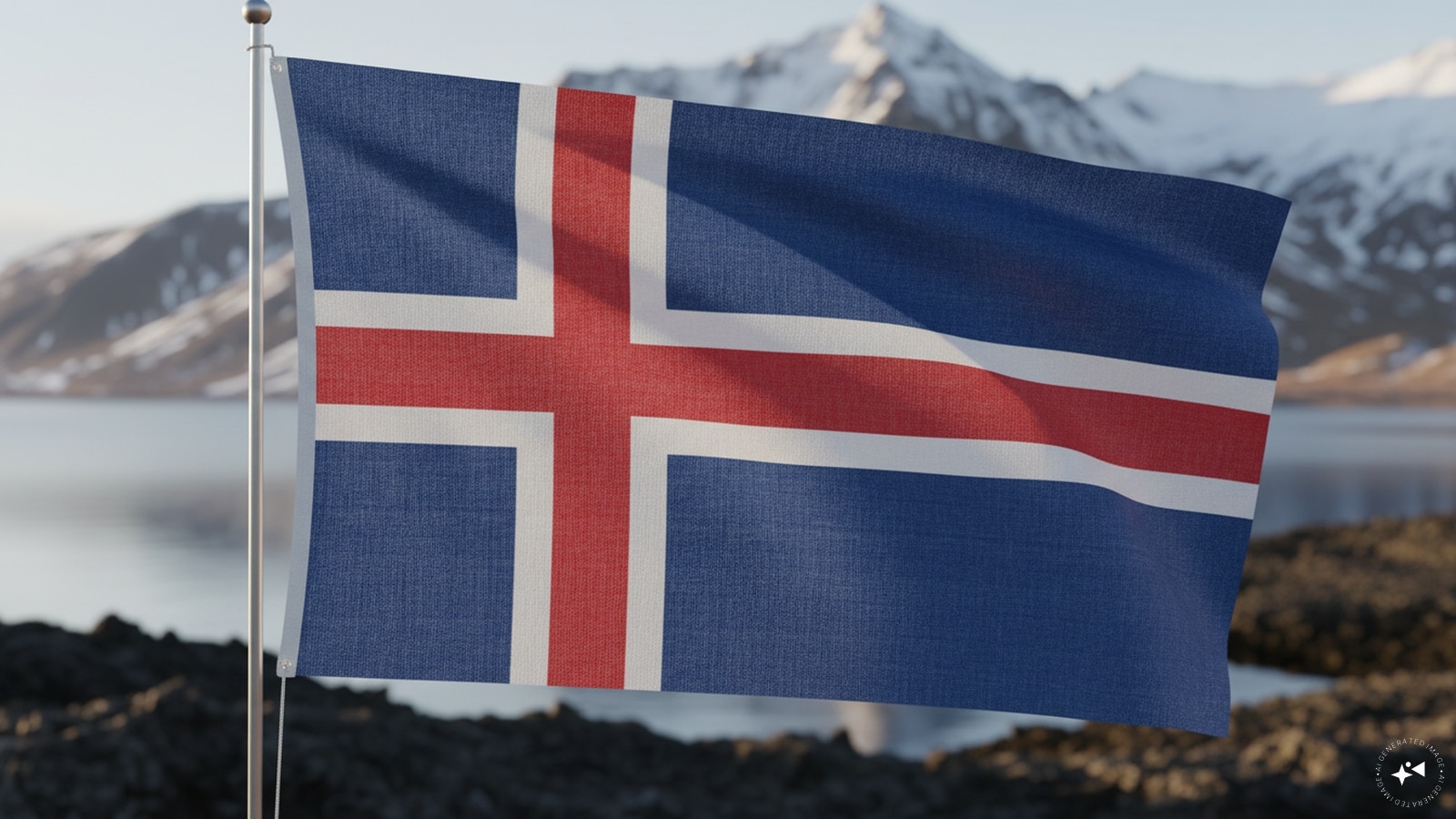
Icelanders didn't just vote on a bureaucratic procedure. When they went to the polls on August 29, 2026, voters faced a stark choice: reopen long-dormant European Union accession talks or slam the door shut. They chose the door.
With a high turnout of 82.5 percent, 52.8 percent of voters said a firm "no" to resuming negotiations, while 47.2 percent voted "yes," according to analysis from the European Council on Foreign Relations. Don't miss our recent coverage on this related article.
If you think this was a sudden anti-Europe tantrum, you're missing the point. Iceland already enjoys deep integration with the continent. Through the European Economic Area (EEA) agreement and the Schengen area, Icelanders experience free movement of goods, services, capital, and people without ever having to surrender their sovereign control to Brussels.
So why did the question pop up at all? High interest rates and a punishing cost of living pushed proponents to argue that EU membership and the euro might offer a safe haven. Central bank rates hovering around 8 percent make mortgages brutal for everyday citizens. Supporters figured restarting talks could at least serve as an economic catalyst. To read more about the history here, The New York Times provides an informative breakdown.
Voters weren't buying it.
The sticking points haven't changed since Iceland first applied back in 2009 during the depths of the financial crisis and subsequently shelved talks in 2013. Fish remain king in Icelandic waters. Handing over national control of lucrative fishing grounds to the EU's common fisheries policy is basically a non-starter for an island nation that views its maritime resources as an absolute lifeline.
Politicians on both sides tapped into deeply rooted domestic priorities. Former Prime Minister Katrin Jakobsdottir campaigned hard on sovereignty, arguing that a small economy must protect its independent levers. Meanwhile, opponents pointed out that Brussels isn't going to fix structural domestic issues that local politicians are supposed to handle.
Look closely at what happened. This wasn't a vote on joining the bloc tomorrow. It was purely a vote on whether to start talking. Even if voters had said yes, any final treaty would have required a second public referendum down the line.
Instead, the public preferred the devil they know. They like their current setup via the European Free Trade Association and the EEA. They keep their króna, they keep their fish, and they keep their distance from the eurozone's heavy regulatory machinery.
For the EU, it's a stinging diplomatic rejection at a time when the bloc is eager to secure strategic footing in the Arctic. For Iceland, it's business as usual on their own terms.
If you're tracking Nordic political shifts or European integration dynamics, pay attention to how Iceland manages its inflation pressures independently moving forward. Watch the domestic policy moves instead of waiting for rescue from Brussels.