You can't ignore what just happened on Yemen's western coast. On September 10, 2026, Iran-backed Houthi forces seized the strategic port city of Mocha, sending shockwaves through global shipping lanes and regional capitals alike.
If you think this is just another localized skirmish in Yemen's long-running civil war, you're missing the bigger picture. This move brings the rebels straight to the doorstep of the Bab el-Mandeb Strait, a vital maritime chokepoint where a massive share of international trade passes between Asia and Europe.
The Anatomy of the Mocha Offensive
The fall of Mocha didn't happen in a vacuum. Weeks of intense fighting preceded the collapse, featuring missile bombardments, suicide drones, and explosive-laden boats that battered Saudi-backed pro-government forces.
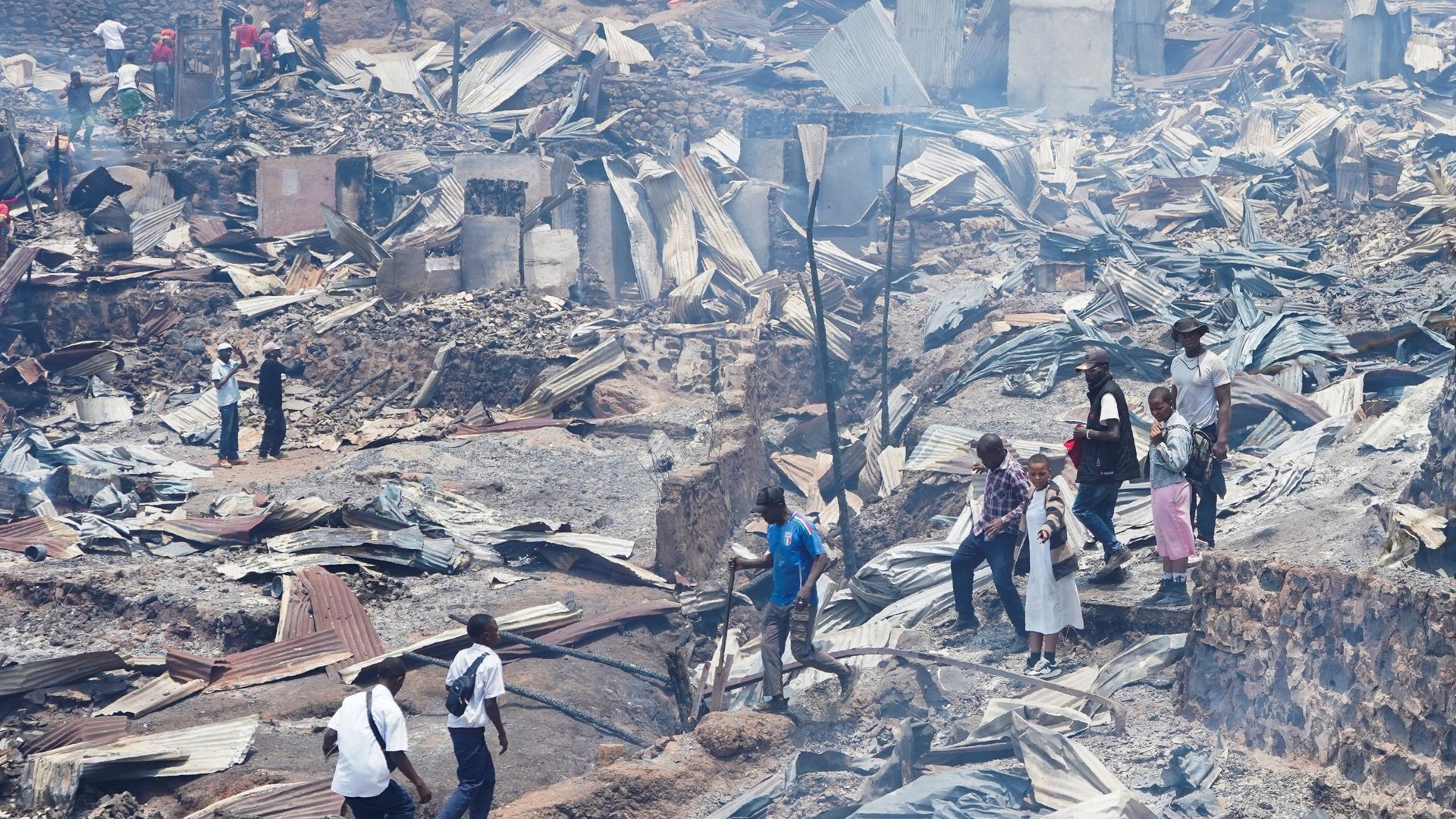
When National Resistance Forces led by Tareq Saleh pulled back from the historic port city, the defensive line shattered. Houthi fighters quickly flooded into the streets. Families packed what they could and fled eastward toward Aden or crammed onto boats heading across the water toward Djibouti.
Analysts point out that the offensive highlights a stark contrast in the conflict. The Houthi command structure remains disciplined and well-supplied, while pro-government factions struggle with coordination and fragmented leadership. Ground operations didn't stop at Mocha either. The rebels pushed further south, securing nearby positions and islands in the southern Red Sea to cement their grip on the coast.
Why the Bab el-Mandeb Chokepoint Matters
Geography dictates the stakes here. Mocha lies less than 50 miles north of the Bab el-Mandeb Strait, a narrow passage measuring only about 20 miles across.
When commercial vessels navigate from the Indian Ocean into the Red Sea on their way to the Suez Canal, they have to squeeze through this corridor. For months, Houthi missile and drone attacks launched from further north had already disrupted global supply chains and forced shipping companies to reroute around Africa.
Now, holding Mocha gives the group direct terrain advantage right next to the strait. Regional experts note that the rebels basically want maximum leverage over international commerce. Riyadh and Cairo held urgent meetings immediately following the seizure, calling for absolute freedom of navigation through regional waters. Yet the Houthis have made it clear that commercial traffic faces heightened risks if tied to opposing coalitions.
The Regional Spillover and Human Toll
The geopolitical fallout extends far beyond Yemen's borders. Saudi Arabia faces renewed security dilemmas on its southern flank, while international insurers raise rates and monitor every movement along the coastline.
Meanwhile, the human cost keeps mounting. The United Nations reports that recent fighting has displaced roughly 100,000 people. Makeshift camps swell with families who lost everything within hours of the offensive.
You're looking at a transformed security map on the Red Sea. Pro-government forces are desperately trying to stabilize alternative defensive lines further south, but the momentum currently favors the rebels. Keep your eyes on the shipping insurance rates and emergency coalition responses over the coming weeks, because this maritime bottleneck isn't getting safer anytime soon.