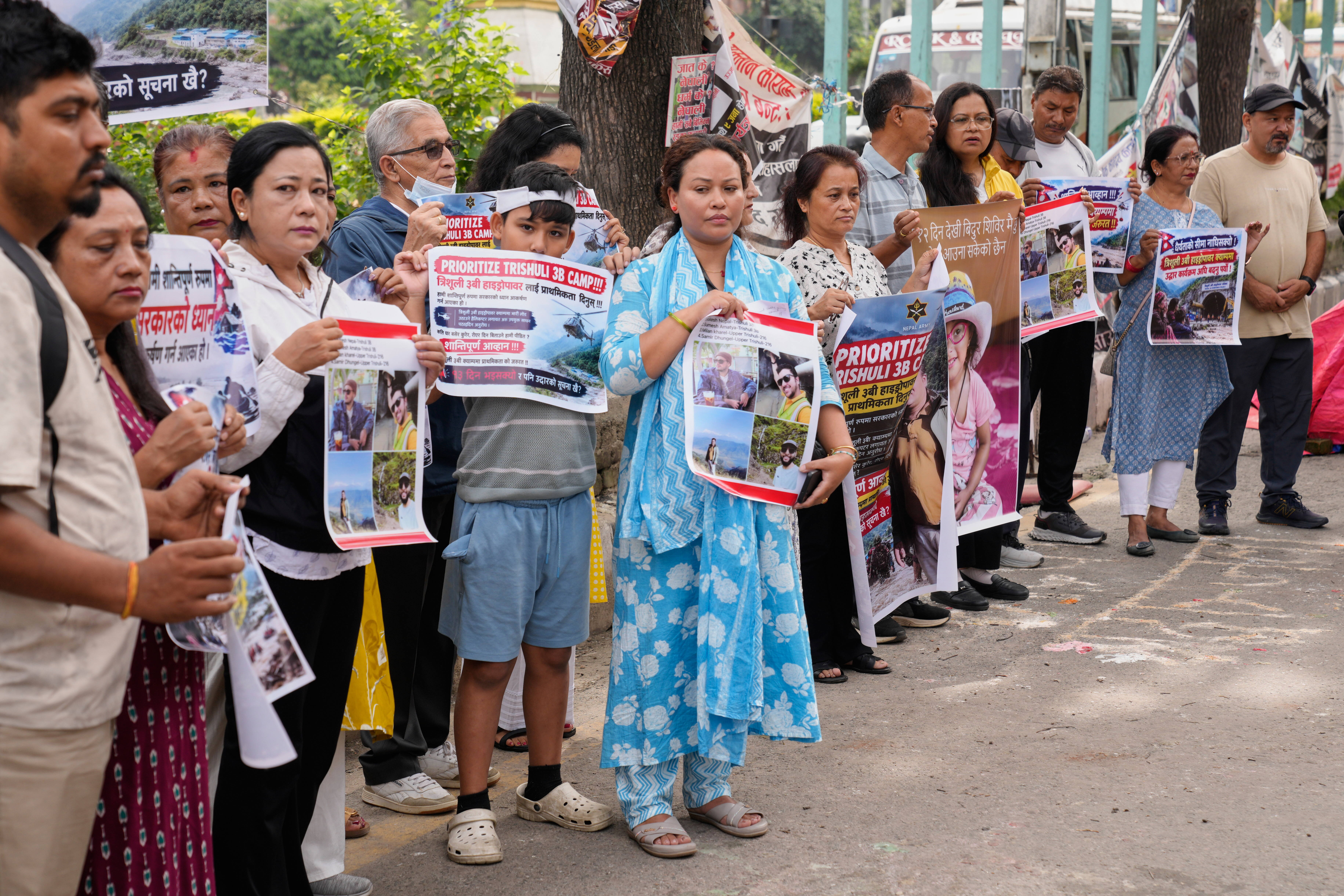
When a massive wall of ice, rock, and mud tore down the Himalayas on August 26, 2026, it didn't just devastate local communities; it exposed a glaring chasm in international disaster reporting and cross-border transparency. As search teams in Nepal pulled survivors from hydropower tunnels and began tallying a grim death toll exceeding 1,300 lives, questions mounted over the sparse and tightly controlled information coming from the northern side of the border in China's Tibet Autonomous Region.
Disasters don't respect political boundaries, but the data surrounding them often does. While Nepalese authorities allowed independent journalists, international aid agencies, and local reporters deep into the flood zones of districts like Rasuwa and Nuwakot to document the human cost, the response across the Chinese frontier was met with a rigid information blackout. This stark contrast has left families on both sides of the border in the dark, struggling to find accurate casualty counts or information about missing loved ones. Recently making waves lately: Why Western Sanctions On West Bank Settlements Change The Game.
The Anatomy of a Cross-Border Catastrophe
The disaster began high in the mountains when a partial glacial collapse unleashed a torrent of debris down the Bhote Kashi and Trishuli river corridors. Within minutes, water levels surged dramatically, wiping out vital infrastructure, highways, and workers' quarters at multiple hydroelectric sites.
The physical mechanics of the flood were terrifying. Millions of tons of debris traveled nearly 60 miles downstream, burying entire villages and leaving thousands missing. In Nepal, the government mobilized quickly, partnering with regional specialists and welcoming outside visibility to manage the crisis. Prime Minister Balendra Shah called it an unprecedented event, noting that the structural vulnerabilities of the region require radical changes in how governments monitor high-altitude hazards. Further insights on this are explored by USA Today.
Yet, as bodies were recovered and identified on the Nepalese side, the numbers reported from the Tibetan regions upstream remained remarkably opaque. Critics and transparency advocates point out that tightly managed state media feeds make it nearly impossible to independently verify the scale of the damage or the total number of casualties in areas under Beijing's jurisdiction.
Why Information Control Fails During Climate Crises
Governments often default to information suppression during major emergencies to maintain control or avoid scrutiny over infrastructure placement. Hydropower expansion along the China-Nepal border has been rapid, driven by energy demands and economic integration projects. When natural disasters strike industrial zones in remote border regions, local officials face intense pressure to downplay risks or restrict access.
This approach backfires terribly. When official channels withhold data, misinformation rushes in to fill the vacuum. Families searching for missing relatives—including workers trapped in underground tunnels—cannot wait for sanitized bureaucratic updates. Transparency isn't just a political ideal; it's a critical tool for effective disaster response and humanitarian relief coordination.
Moving Forward in a Warming Mountain Range
The Himalayas are warming faster than the global average, increasing the frequency of glacial lake outbursts, slope failures, and flash floods. Managing these cascading hazards demands seamless cross-border cooperation, shared hydrological data, and real-time monitoring systems that operate independently of political tensions.
If neighboring states continue to treat environmental disasters as state secrets rather than shared humanitarian emergencies, the next catastrophe will catch everyone unawares. Communities living in the shadow of the roof of the world deserve accurate warnings, honest casualty figures, and an unvarnished look at the risks shaping their changing landscape.
Lebanon Border, Nepal Floods & UK-Israel Relations | 2026-09-07
This video from the search results provides additional context and contemporary news coverage regarding the unfolding geopolitical and humanitarian situation following the Nepal floods.
http://googleusercontent.com/youtube_content/1