Booking a luxury cruise is supposed to mean luxury service, complete relaxation, and zero stress. But for Dayna Zegarelli, a California grandmother living with multiple sclerosis, a dream Caribbean getaway turned into a multi-million-dollar federal lawsuit after a bizarre confrontation over a complimentary half-bottle of wine.
If you pay top dollar for a high-end stateroom package, you expect staff to treat you like a valued guest, not haul you into security, brand you a criminal in front of your family, and strand you abroad without critical medication. This case exposes major cracks in how massive cruise corporations handle customer disputes, accessibility needs, and basic human decency. Recently making news recently: Decoding The Numbers Behind Political Immigration Claims.
The High Cost of Luxury Suites
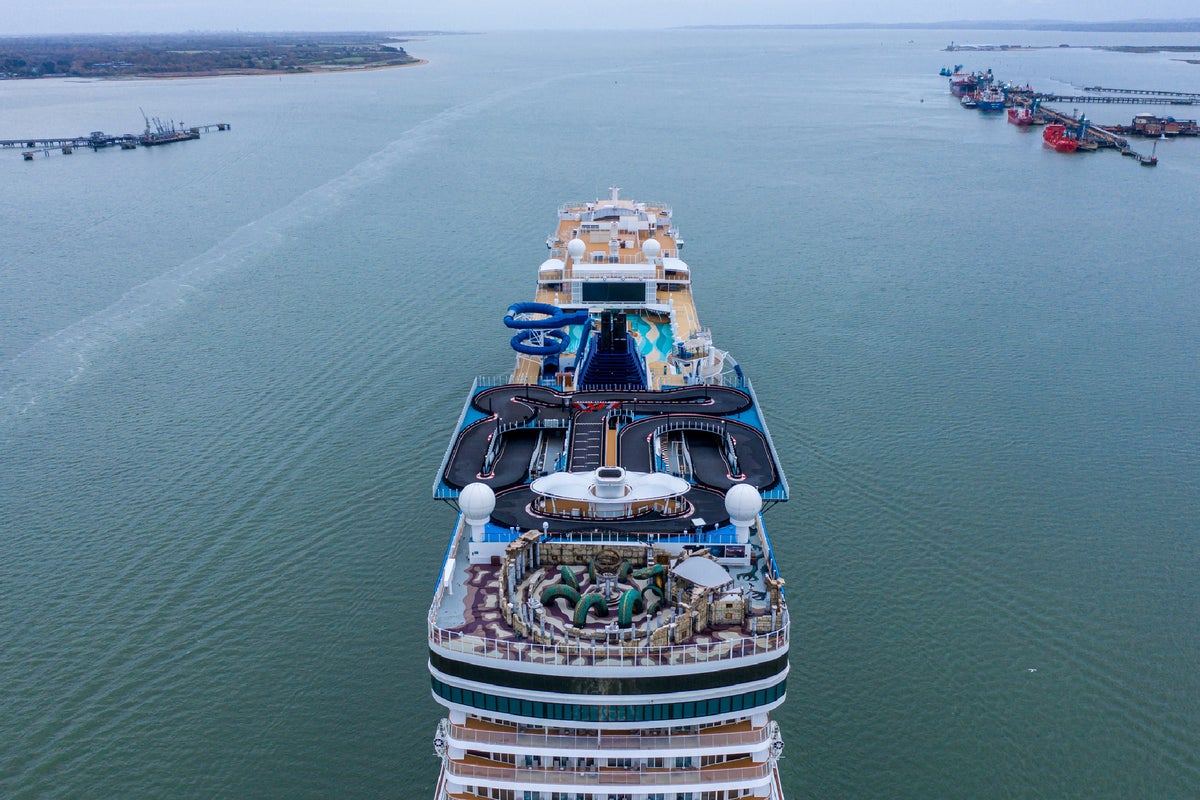
Zegarelli and her family boarded the Norwegian Luna in Miami for a seven-week-or-so-promised week of relaxation in the Caribbean. They didn't book a standard interior cabin. Instead, they secured a reservation in The Haven, a gated, upscale enclave marketed as a private oasis with exclusive amenities, 24-hour butler service, and complimentary beverages.
Cruising in these top-tier suites isn't cheap. Passengers pay double or even up to ten times the standard fare to escape the crowded decks and enjoy personalized attention. When you drop that kind of money, you expect perks to be seamless. Further information into this topic are explored by BBC News.
Four days into the voyage, Zegarelli visited The Haven's private bar. Before heading back to her room, she grabbed a half-bottle of wine. Because she manages multiple sclerosis, carrying things safely can be tough, so she placed the bottle in her purse. She assumed the drink was covered under her suite perks, especially since complimentary wine and beverages were part of the package promised to Haven guests.
Escalation and Accusations Over a Half-Bottle
The situation flipped overnight from a minor misunderstanding into an aggressive security interrogation. Summoned to the ship's security office, Zegarelli faced accusations of theft directly from the chief of security under the direction of Captain Robert Lundberg.
Instead of checking policy or verifying details with the staff, security labeled a 49-year-old grandmother a thief. Even worse, this happened in front of her eight-year-old granddaughter. When Zegarelli pointed out that the wine was supposed to be complimentary for Haven guests, security doubled down. They argued that because she didn't physically show her keycard right at that exact moment, it constituted theft.
Yet, evidence outlined in the lawsuit tells a different story. Zegarelli's partner had gone to the bar moments earlier and received drinks without pulling out a keycard every single time, proving that bartenders recognized regular Haven guests without demanding strict card checks on repeat visits.
Stranded Without Medication
The fallout didn't stop at harsh words. Security ordered Zegarelli off the ship during a port stop in the British Virgin Islands, giving her very little time to pack her belongings. Amid the panic and humiliation, she left behind vital prescriptions required to manage her multiple sclerosis.
Going cold turkey on high-cost, specialized MS medication is dangerous. Zegarelli's lawsuit notes that the abrupt cutoff triggered a worsening of optic lesions, putting her at risk for permanent vision loss. Her domestic neurologist couldn't legally fill new prescriptions internationally, leaving her stranded in a foreign territory without medical coverage or easy access to help.
Physical health risks compounded severe psychological fallout. Zegarelli experienced debilitating panic attacks, spikes in blood pressure, severe headaches, and deep emotional distress, leading to costly medical treatments and counseling long after returning home.
Why This Lawsuit Matters for Cruise Passengers
This federal lawsuit filed in Los Angeles seeks a minimum of $5 million in damages, targeting corporate negligence, emotional infliction, and wrongful ejection.
For everyday travelers, the takeaway is stark. Luxury branding and VIP marketing materials often hide rigid corporate policies that leave passengers vulnerable to sudden, arbitrary enforcement by onboard security staff. When security personnel prioritize a punitive, aggressive stance over de-escalation, vacations turn into liability nightmares.
Cruise lines need accountability, clear communication protocols, and genuine accessibility training for staff handling guests with medical conditions. Until companies overhaul these heavy-handed approaches, passengers should know their rights and document every interaction when things go sideways on the high seas.