Winter in Ukraine is never just a season. It's a weapon. When temperatures plummet, heating grids, power plants, and water stations turn into frontline targets. Former British Prime Minister Gordon Brown recently stepped forward to sound the alarm, warning that the upcoming months could easily shape up to be the worst winter of the entire war.
If you've been tracking the geopolitical chess match between Washington, London, and Moscow, Brown's warning shouldn't catch you off guard. But the core of his argument isn't just about the dropping temperatures. It's about a glaring bottleneck in air defense technology and the diplomatic pressure required to fix it before the frost sets in.
The Missile Dilemma and American Tech
Brown's primary point centers on air defense, specifically Patriot interceptor missiles. Vladimir Putin's strategy relies heavily on bombarding civilian infrastructure with drones and ballistic payloads that slip past depleted defenses. Ukraine desperately needs interceptors, but manufacturing or acquiring them at scale remains an uphill battle.
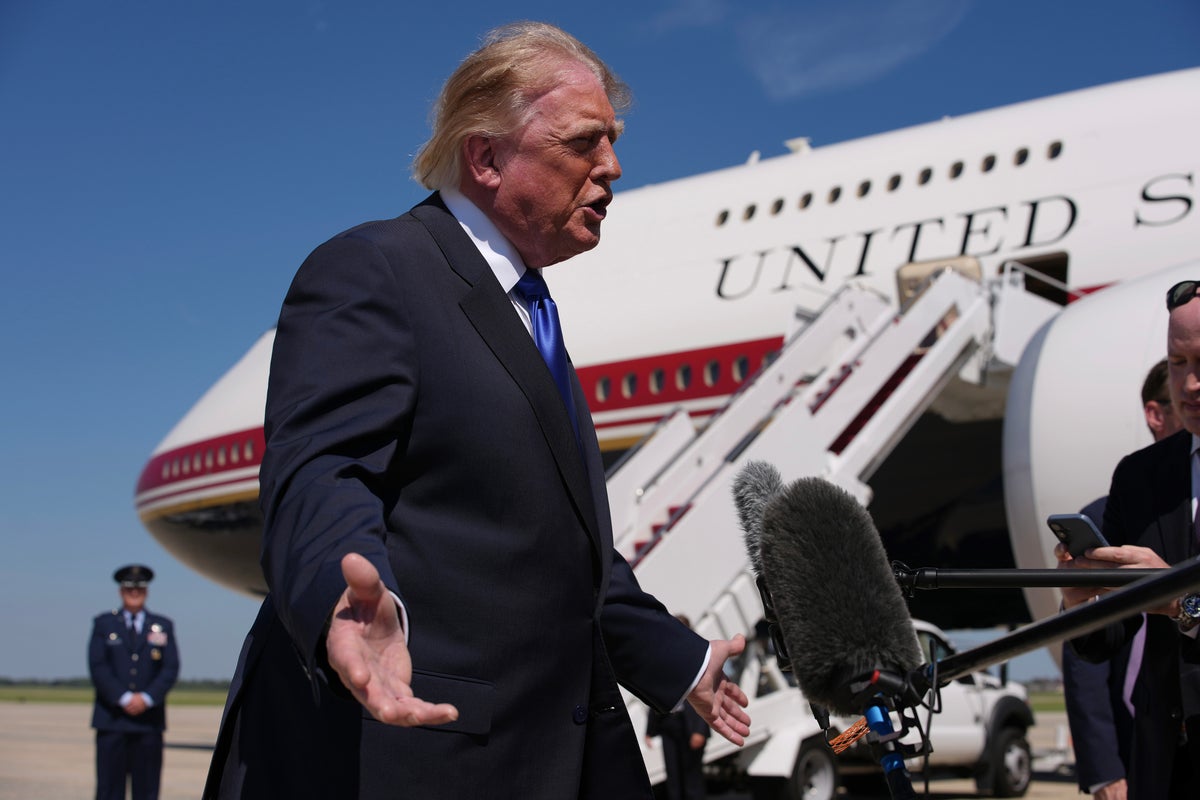
Reports indicate that former US President Donald Trump previously suggested he might share the blueprints or designs for these advanced defense interceptors with Kyiv, yet that promise has stalled. Trump reportedly noted that parting with such high-end military technology is a tough call. Brown argues that Britain and European allies must actively lobby Washington to change course. Without those interceptors, Ukrainian cities face sustained blackouts and freezing civilian populations as utility networks buckle under relentless airstrikes.
Walking the Tightrope of Escalation
Another critical thread in Brown's analysis involves the delicate balance of international law and direct conflict. Western leaders face an ongoing balancing act. They want to supply Ukraine with enough firepower to survive and push back, but they want to avoid dragging NATO into a direct, hot war with a nuclear-armed Russia.
Brown made it clear during his remarks at the Edinburgh International Book Festival that Europe has not declared war on Russia. Russia declared war on Ukraine. Crossing that line into a full-scale direct confrontation between nuclear powers remains the ultimate nightmare scenario for military strategists. That's why the focus stays firmly on supplying advanced defense technology rather than deploying Western troops directly to the frontlines.
Meanwhile, local and national leaders are trying to bridge the gap. British government initiatives allowing Kyiv to manufacture its own models of long-range missiles, such as the Scalp system, represent a step toward self-reliance. Even so, defense experts note that building domestic manufacturing capacity takes time. It won't instantly solve the immediate crisis looming over Ukrainian power grids this winter.
What Happens Next on the Ground
The reality on the ground remains brutal. Air defense batteries are spread dangerously thin across a massive front. Every missile used to intercept a decoy drone is one less protection against a hypersonic missile aimed at a thermal power plant.
If you want to understand the trajectory of this conflict heading into the cold months, watch the diplomatic channels between London, Washington, and Kyiv closely. The pressure on Western leadership to unlock advanced defense manufacturing rights isn't going away. Winter arrives on schedule, regardless of political delays, and the decisions made in foreign capitals over the next few weeks will dictate whether millions of civilians freeze in the dark or hold the line.
Stop waiting for a miraculous diplomatic breakthrough to solve logistical realities. Support organizations delivering generators, thermal gear, and humanitarian aid directly to front-line communities right now.