When catastrophic flash floods and landslides tore through the Nepal-Tibet border region, they didn't just devastate local communities. They swept through popular trekking routes, remote valleys, and major infrastructure projects, leaving hundreds of foreign tourists and migrant workers stranded or uncontactable.
Official figures from the Nepal Tourism Board and international embassies reveal a staggering international crisis. Citizens from over 35 countries are currently listed as missing, turning what started as a regional Himalayan disaster into a global search operation. If you're trying to figure out how a local weather event ballooned into a multi-nation emergency affecting travelers from India to the United States, the reality on the ground is messy, fluid, and deeply heartbreaking.
The Global Scale of the Missing Persons Crisis
Let's look at the numbers. They change daily as search and rescue teams claw through mud, debris, and washed-out infrastructure. According to disaster management authorities and foreign ministries, hundreds of foreign nationals remain unaccounted for.
India records the highest number of missing citizens, with hundreds uncontactable—a reflection of the deep cross-border economic ties, shared open borders, and the large volume of Indian nationals working on regional hydropower and construction projects.
The United States follows with dozens of citizens reported missing by the State Department and local tourism boards. Other heavily impacted nations include Ukraine, Malaysia, Australia, the United Kingdom, and Canada, where foreign ministries have scrambled to establish contact with citizens registered in the affected trekking and valley districts.
Further down the list, citizens from South Korea, Singapore, Germany, Russia, South Africa, Latvia, Japan, and New Zealand make up a significant portion of the missing rosters. European nations like France, Spain, Italy, Belgium, Hungary, Portugal, the Netherlands, Ireland, Finland, Sweden, and Switzerland also have travelers or residents listed. Even smaller representations from countries like Israel, the Philippines, Serbia, Belarus, and Kazakhstan show up on operational logs compiled by rescue coordinators.
Why Tracking Foreign Nationals Is So Difficult Right Now
If you're wondering why it takes days or weeks to get an accurate count, you have to understand how travelers move through the Himalayas.
Many tourists venture into remote terrain where cellular networks are non-existent. When a flash flood destroys bridges, blocks mountain passes, and cuts off entire villages, people don't just vanish—they go dark. A traveler might be completely safe, sheltering in a high-altitude tea house with no electricity or phone signal, yet officially appear on an embassy's missing list because their family back home hasn't heard from them in forty-eight hours.
Conversely, duplication plagues the lists. A tourist might be logged by their family with their home country's embassy, registered separately by a local trekking agency in Kathmandu, and counted again by regional disaster authorities. Reconciling these overlapping databases takes time. Security forces using helicopters and heavy machinery are fighting against blocked roads and unstable slopes just to reach cut-off zones.
The Human Impact Beyond the Statistics
Numbers on a spreadsheet don't capture the panic felt by families thousands of miles away. Diaspora communities, such as the large Nepali workforce living abroad in places like Cyprus and the Gulf, watch news feeds anxiously for word of hometowns, relatives, and former classmates.
Hydropower sites and infrastructure projects near the border took a massive hit, trapping migrant workers who traveled far from home for employment. The tragedy exposes how vulnerable modern infrastructure is in high-altitude, climate-sensitive zones where sudden glacial lake outbursts or monsoon extremes can wipe out an entire valley in minutes.
What Authorities Are Doing and Next Steps
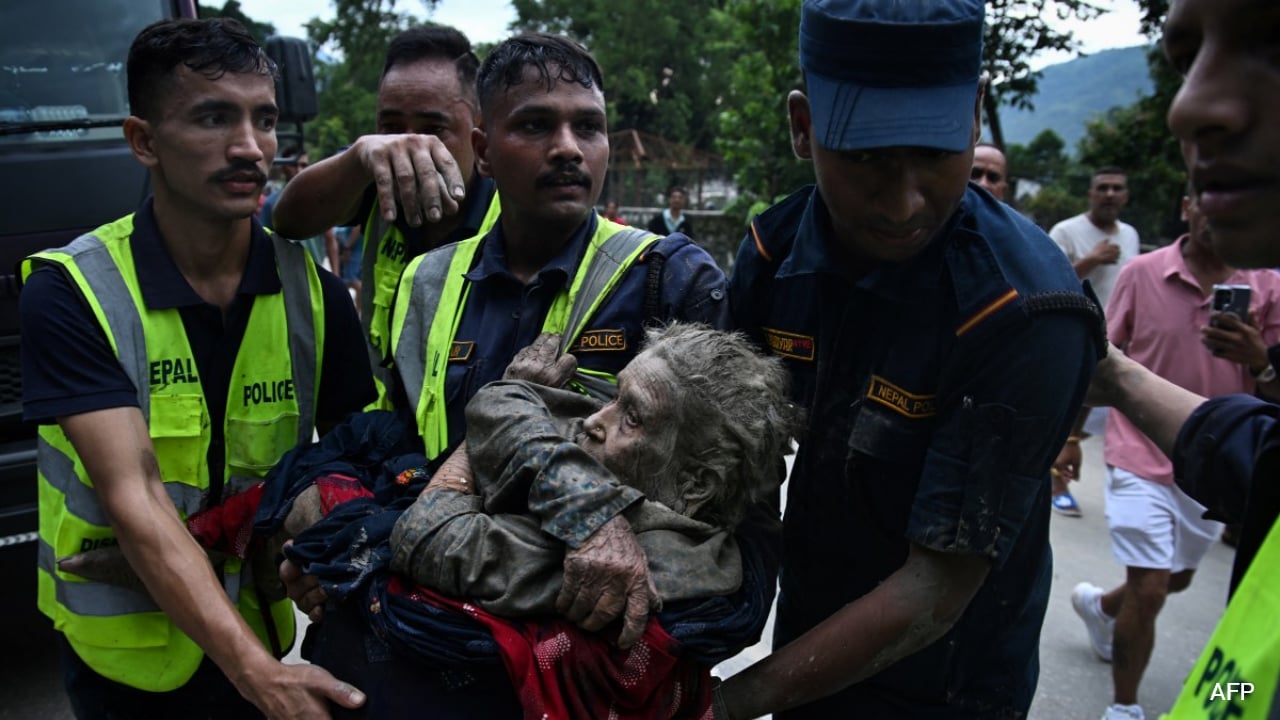
Rescue operations remain active, though hampered by continuous weather risks and massive debris fields. Helicopters are flying sorties whenever visibility allows, dropping supplies to stranded groups and evacuating the injured.
If you are looking for a loved one who was traveling in Nepal or Tibet during the disaster, rely exclusively on official updates rather than unverified social media lists. Check in directly with your country's Department of Foreign Affairs or Ministry of External Affairs crisis hotline, register your traveler's details with local embassies, and monitor updates issued directly by the Nepal Tourism Board. Stay patient, keep your communication lines open with consular offices, and prepare for prolonged verification processes as rescue teams clear the remaining blocked routes.