Ten million dollars from a state health care settlement should help low-income residents. Instead, a Florida grand jury report leaked in early 2026 revealed that money from a Centene Medicaid agreement took a very different path. The grand jury concluded that the funds were misappropriated through a calculated mechanism, winding up in political action committees and political party accounts rather than back into healthcare services.
If you're wondering how public funds can slip through bureaucratic cracks without landing anyone in prison, you are not alone. The January 2026 grand jury document outlines a quiet transfer of money to the Hope Florida Foundation, a charity championed by First Lady Casey DeSantis, before cash moved swiftly into political war chests. While grand jurors found insufficient evidence to bring criminal charges, their findings paint a clear picture of institutional deflection and accountability dodging.
Following the Money Trail from Centene to Political Coffers
Let's look at how the transaction happened. In 2024, Florida secured a substantial payout from a legal settlement with Centene, a major government health insurance contractor. Normally, state settlements of this scale require rigid accounting and proper allocation back into general revenue or targeted public programs.
Instead, the funds vanished into a non-profit pipeline. Witnesses testified before the grand jury, but nobody claimed ownership of the decision.
- The $10 million landed in the Hope Florida Foundation.
- Money quickly moved from the charity into two separate political action committees.
- Funds directly supported political lobbying against a ballot measure to legalize marijuana in Florida.
- A significant chunk went straight to the Republican Party of Florida.
When witnesses take the stand and claim collective amnesia about who authorized a multi-million-dollar wire transfer, you see how accountability breaks down in modern state governance. The grand jury noted that no single official could remember making the choice. Yet, the money moved all the same.
The Key Players in the Crosshairs
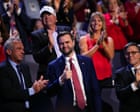
The fallout from the grand jury report involves some of the heaviest hitters in Florida Republican politics. James Uthmeier, who served as Governor Ron DeSantis's chief of staff at the time and later pursued a full term as attorney general, found himself directly implicated in the paper trail. Testimony tied Uthmeier to directing the money after it reached the foundation. Furthermore, his political action committee, Keep Florida Clean, ended up as a primary recipient of the redistributed cash.
Ashley Moody, Florida's former attorney general currently serving in the US Senate, also faced scrutiny. The grand jury pointed out that Moody's office knew about the payment structure, and her chief deputy signed off on the agreement without performing basic due diligence regarding taxpayer fund appropriations.
Both Uthmeier and Moody have pushed back hard against the findings. Uthmeier dismissed the report as a political hoax engineered by Democrats, while representatives for Moody maintained that the former attorney general's office had no knowledge of how the final settlement dollars would be deployed after the ink dried.
Governor DeSantis Reacts and the Shifting Narrative
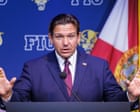
Governor Ron DeSantis didn't mince words when reporters asked him about the leak. He claimed the only real crime committed was the unauthorized release of the sealed grand jury document itself. He defended the original Centene settlement as entirely legal and appropriate, insisting that it served the state's best interests.
DeSantis also argued that critics weaponized the story simply to smear his wife. He pointed out that the report only mentions Casey DeSantis in the context of her championing the charity, clearing her of direct operational involvement in the transfer.
Even so, the political damage is already done. The grand jury's formal recommendations include pushing the Florida legislature to pass strict new laws. They want any state-received money forced directly into general revenue accounts, backed by criminal penalties for anyone who tries to route public settlements into private or political vehicles again.
What Happens Next in Florida Politics
This controversy is not fading into the background. Gubernatorial candidates are already using the grand jury findings as fuel for upcoming elections. With opposition leaders calling for renewed independent investigations into the missing transparency, voter skepticism around state-level financial oversight is spiking.
If you care about how tax dollars and legal settlements are managed, pay close attention to the legislative sessions ahead. Watch whether lawmakers actually enact the mandatory general revenue deposit laws the grand jury requested, or if the loophole remains wide open for the next big payout. Demand clear paper trails from your local representatives, and don't accept corporate amnesia as an excuse when public funds go missing.