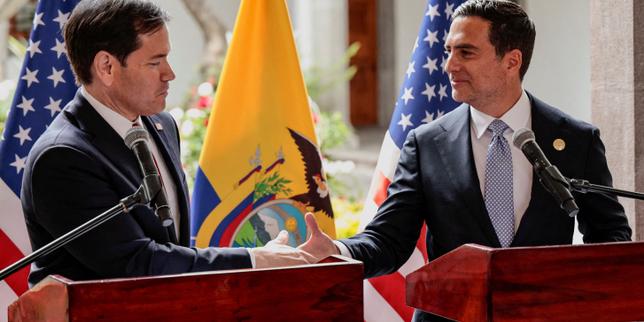
America's power grid is begging for clean, reliable baseload electricity. Tech companies are buying up every megawatt of nuclear output they can find to power massive data centers. Manufacturing plants are re-shoring across the rust belt, driving up regional electricity demand for the first time in decades. Yet Washington just signed a 30-year civil nuclear cooperation agreement to help Saudi Arabia build out its nuclear power infrastructure.
It's a baffling move.
Instead of pouring financial capital, engineering talent, and regulatory priority into modernizing our own energy supply, we're exporting critical nuclear expertise to a nation sitting on top of the world's largest oil reserves. The federal government's priorities are upside down.
The Real Cost of Exporting America's Nuclear Knowledge
Under the agreement spearheaded by the Department of Energy, American firms will play a prime role in developing Saudi civilian reactors. Administration officials claim this deal keeps competitors like Russia's Rosatom and China's National Nuclear Corporation from securing a foothold in Riyadh. They say it creates lucrative commercial markets for U.S. technology vendors.
That logic breaks down under basic scrutiny.
America's nuclear industrial base isn't thriving; it's struggling to rebuild itself after decades of stagnation. We suffer from a severe shortage of specialized nuclear engineers, certified welders, heavy forging capacity, and enriched domestic fuel. Every expert working on a reactor proposal for Saudi Arabia is an expert who isn't designing Small Modular Reactors (SMRs) for domestic utilities in Ohio, Wyoming, or Pennsylvania.
We're exporting our rarest engineering talent while our own utilities struggle to replace aging coal plants with reliable clean baseload power.
Non-Proliferation Red Flags Washington Is Choosing to Ignore
The diplomatic concessions built into this deal are troubling. Traditional Section 123 agreements under the Atomic Energy Act contain a "gold standard" requirement. Nations purchasing U.S. nuclear tech must pledge not to enrich uranium or reprocess spent fuel domestically. That standard prevents civilian power programs from turning into clandestine weapons efforts. The U.S. insisted on these exact safeguards when negotiating with the United Arab Emirates years ago.
The Saudi deal skips those core protections.
By opening the door for eventual domestic uranium enrichment without requiring the International Atomic Energy Agency's Additional Protocol inspections, Washington is setting a dangerous precedent. Saudi Crown Prince Mohammed bin Salman has stated publicly that if Iran acquires a nuclear weapon, Saudi Arabia will quickly follow suit. Providing domestic enrichment pathways to an unstable, volatile region isn't a diplomatic victory. It's a massive strategic hazard.
Why the U.S. Grid Needs That Nuclear Power Right Now
American domestic energy needs are hitting an unprecedented inflection point. Electric utilities across the nation are revising their load forecasts upward by thousands of megawatts.
Three massive drivers are forcing this shift:
- Data Center Expansion: Artificial intelligence training clusters require continuous, high-density power that solar and wind alone cannot provide without multi-billion-dollar battery arrays.
- Domestic Manufacturing Revival: Re-shored semiconductor foundries, battery factories, and industrial processing plants require uninterrupted electricity 24 hours a day.
- Grid Reliability Demands: Weather-dependent renewables create steep ramps and potential shortfalls during severe cold snaps or summer heatwaves.
When utilities try to build advanced reactors here at home, they encounter an ideological brick wall of regulatory delays and capital shortages. The Nuclear Regulatory Commission (NRC) regulatory approval process for new reactor designs still takes years and costs hundreds of millions of dollars before a single shovel strikes dirt.
If Washington was serious about long-term economic dominance, it would focus those resources internally. Funding advanced nuclear deployment inside our own borders creates permanent industrial jobs, lowers electricity bills for manufacturers, and secures America's tech dominance. Giving those resources to Riyadh simply frees up more Saudi oil for export while America struggles with its own grid capacity.
A Broken Approval Process at Home
Look at the contrast between domestic projects and foreign deals. American companies attempting to deploy next-generation advanced micro-reactors spend nearly a decade navigating NRC paperwork. Project costs balloon as regulatory review cycles drag on.
Yet when a foreign country wants a nuclear deal, Washington clears diplomatic hurdles overnight.
We shouldn't be fast-tracking foreign nuclear expansion while domestic clean energy projects drown in federal paperwork. Capital follows regulatory certainty. If the White House made domestic nuclear licensing as fast and friction-free as foreign trade deals, private capital would flood into domestic energy projects tomorrow.
Fix the Domestic Nuclear Industry First
The solution isn't to abandon civil nuclear exports forever. It's to put domestic energy security first. Washington needs to flip its script on nuclear strategy.
Here is what the federal government should do right now:
- Overhaul the NRC Review Process: Streamline the licensing process for pre-approved Small Modular Reactor designs to bring commercial approval timelines down to under two years.
- Secure the Domestic Nuclear Fuel Supply: Build domestic High-Assay Low-Enriched Uranium (HALEU) enrichment facilities in the U.S. so American reactors aren't dependent on foreign fuel supplies.
- Enforce the Gold Standard Abroad: Mandate that any foreign nuclear agreement strictly prohibit domestic uranium enrichment and mandate IAEA Additional Protocol inspections without exception.
- Provide Tax Incentives for Domestic Grid Upgrades: Tie federal subsidies directly to nuclear construction projects that supply power directly to the American domestic grid.
Exporting technology to foreign governments before fixing our own grid infrastructure is a bad deal for taxpayers, a bad deal for national security, and a missed opportunity for American energy independence. We need to power our own country first.
For a detailed breakdown on the geopolitical conditions tied to this diplomatic agreement, check out this BBC analysis of the US-Saudi nuclear deal.
This video provides important context regarding how the agreement impacts regional security and international non-proliferation standards.